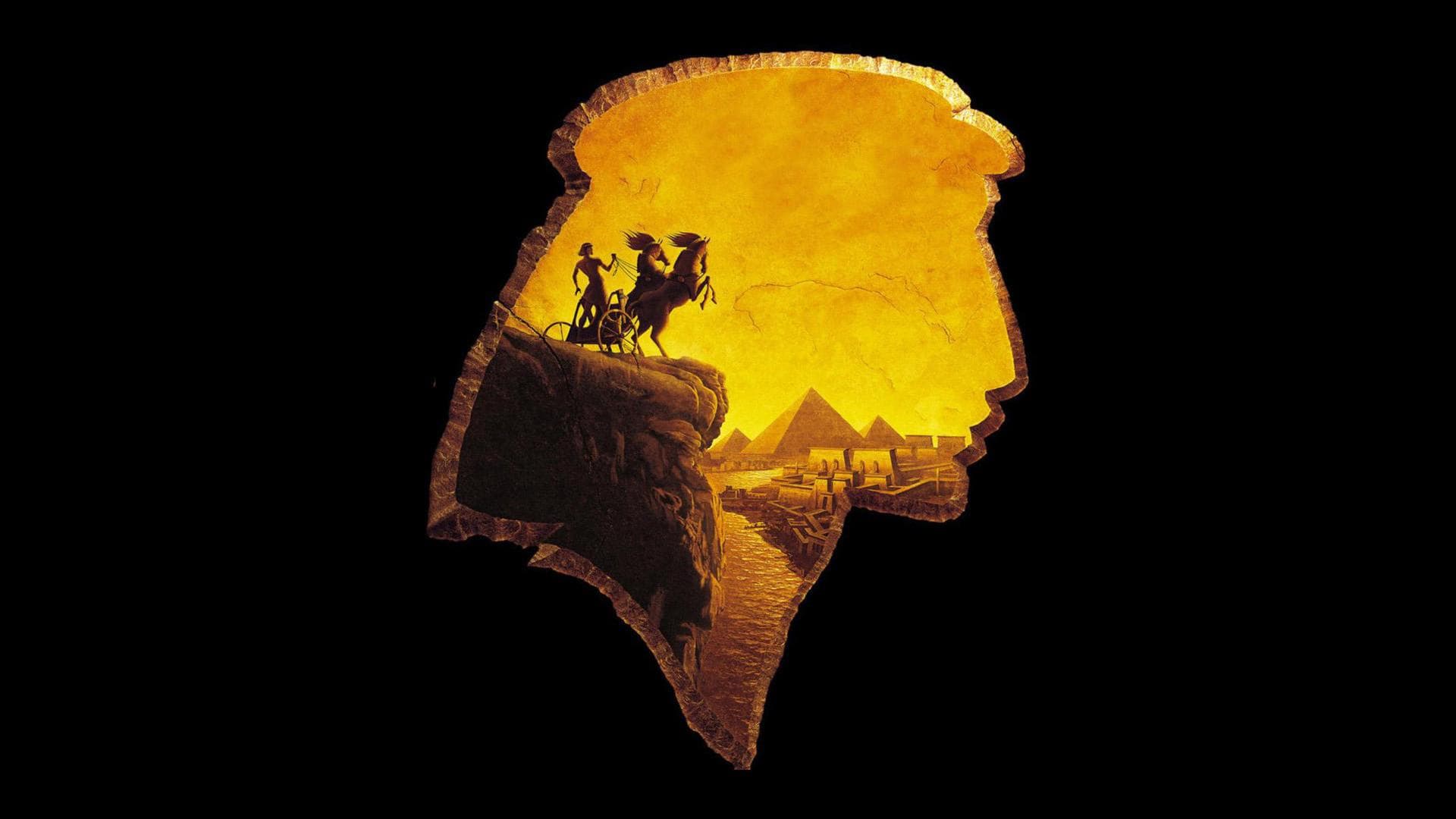

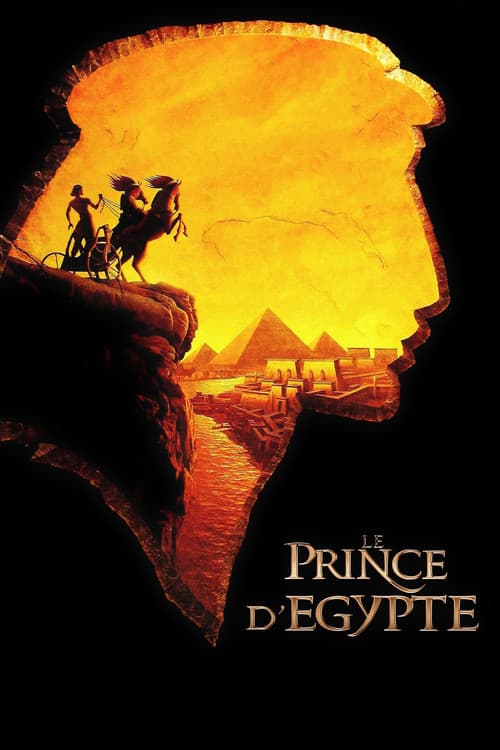
The Prince of Egypt
The Prince of Egypt
Your feedback improves this guide
Your feedback highlights guides that need a second look and keeps the rating trustworthy.
Does this age rating seem accurate to you?
Sign in to vote
Watch-outs
What this film brings
Content barometer
Violence
3/5
Notable
Fear
3/5
Notable tension
Sexuality
1/5
Allusions
Language
0/5
None
Narrative complexity
3/5
Complex
Adult themes
0/5
None
Expert review
The Prince of Egypt is a sweeping animated biblical drama with a majestic tone, strong music, family conflict, and a story centered on freedom and identity. Its sensitive material mainly involves the oppression of an enslaved people, an order targeting newborn boys for death, scenes of forced labor, some physical violence, the accidental killing of a man, and several emotionally intense moments involving fear, grief, and guilt. Although the animation is stylized and not graphic, these themes are serious and appear repeatedly, with more emotional weight than in many family cartoons. The film can work from about age 9 for children who already handle sad and solemn stories well, but many families will find it more engaging and easier to process around age 10. For younger viewers, co viewing is recommended, along with simple context beforehand and the option to pause and talk through the most upsetting scenes.
Synopsis
The strong bond between two Royal Egyptian brothers is challenged when their chosen responsibilities set them at odds, with extraordinary consequences.
Difficult scenes
The opening presents slavery and a royal order targeting Hebrew newborn boys. The animation avoids graphic detail, but the idea of babies in mortal danger, a mother separating from her child, and the overall distress of the people can be deeply upsetting for young children. Later, Moses gradually learns the truth about his origins through memories and a vision of past violence. This sequence combines threatening imagery, family guilt, and the revelation of mass killing, which can feel more disturbing to a child than outright physical violence. At a work site, a guard harshly beats an elderly slave, and Moses intervenes, accidentally causing the guard's death. The moment is brief and not bloody, but it is intense because of the cruelty beforehand, the shock of the fall, and Moses's immediate horror and shame. As the conflict between Moses and Rameses grows, several scenes show the suffering of the Hebrews, rising danger, and an atmosphere of divine punishment. Without spoiling the ending, some supernatural events and the idea of families being affected can bring sadness, fear, and many questions for sensitive viewers.
Where to watch
No verified platform for the US market yet. We keep this section updated as availability changes.
Availability checked on Apr 01, 2026
About this title
- Format
- Feature film
- Year
- 1998
- Runtime
- 1h 39m
- Countries
- United States of America
- Original language
- EN
- Studios
- DreamWorks Pictures, DreamWorks Animation
Content barometer
Violence
3/5
Notable
Fear
3/5
Notable tension
Sexuality
1/5
Allusions
Language
0/5
None
Narrative complexity
3/5
Complex
Adult themes
0/5
None
Expert review
The Prince of Egypt is a sweeping animated biblical drama with a majestic tone, strong music, family conflict, and a story centered on freedom and identity. Its sensitive material mainly involves the oppression of an enslaved people, an order targeting newborn boys for death, scenes of forced labor, some physical violence, the accidental killing of a man, and several emotionally intense moments involving fear, grief, and guilt. Although the animation is stylized and not graphic, these themes are serious and appear repeatedly, with more emotional weight than in many family cartoons. The film can work from about age 9 for children who already handle sad and solemn stories well, but many families will find it more engaging and easier to process around age 10. For younger viewers, co viewing is recommended, along with simple context beforehand and the option to pause and talk through the most upsetting scenes.
Synopsis
The strong bond between two Royal Egyptian brothers is challenged when their chosen responsibilities set them at odds, with extraordinary consequences.
Difficult scenes
The opening presents slavery and a royal order targeting Hebrew newborn boys. The animation avoids graphic detail, but the idea of babies in mortal danger, a mother separating from her child, and the overall distress of the people can be deeply upsetting for young children. Later, Moses gradually learns the truth about his origins through memories and a vision of past violence. This sequence combines threatening imagery, family guilt, and the revelation of mass killing, which can feel more disturbing to a child than outright physical violence. At a work site, a guard harshly beats an elderly slave, and Moses intervenes, accidentally causing the guard's death. The moment is brief and not bloody, but it is intense because of the cruelty beforehand, the shock of the fall, and Moses's immediate horror and shame. As the conflict between Moses and Rameses grows, several scenes show the suffering of the Hebrews, rising danger, and an atmosphere of divine punishment. Without spoiling the ending, some supernatural events and the idea of families being affected can bring sadness, fear, and many questions for sensitive viewers.