
The Brave Little Toaster
The Brave Little Toaster
Your feedback improves this guide
Your feedback highlights guides that need a second look and keeps the rating trustworthy.
Does this age rating seem accurate to you?
Sign in to vote
Watch-outs
What this film brings
Content barometer
Violence
2/5
Moderate
Fear
3/5
Notable tension
Sexuality
0/5
None
Language
1/5
Mild
Narrative complexity
1/5
Accessible
Adult themes
0/5
None
Expert review
The Brave Little Toaster is a family animated film that blends adventure and warmth with several surprisingly dark stretches for very young viewers. The main sensitive elements come from fear, with repeated scenes of peril, separation, threatening environments, and a junkyard setting that can feel intense, along with a strong emotional thread about abandonment and the fear of no longer being loved. The content stays stylized rather than realistic, with no sexual content and no substance use, but the unsettling moments are fairly frequent and can linger in a child's mind more than a typical gentle family cartoon. There are also a few mild dated gender stereotypes in the way some characters are coded or placed in vulnerable roles, not as a central issue, yet worth briefly discussing with children if it stands out to them. For sensitive viewers, it is best to watch together, mention in advance that some scenes may feel scary, and reassure them that the story is ultimately centered on friendship, loyalty, and bravery.
Synopsis
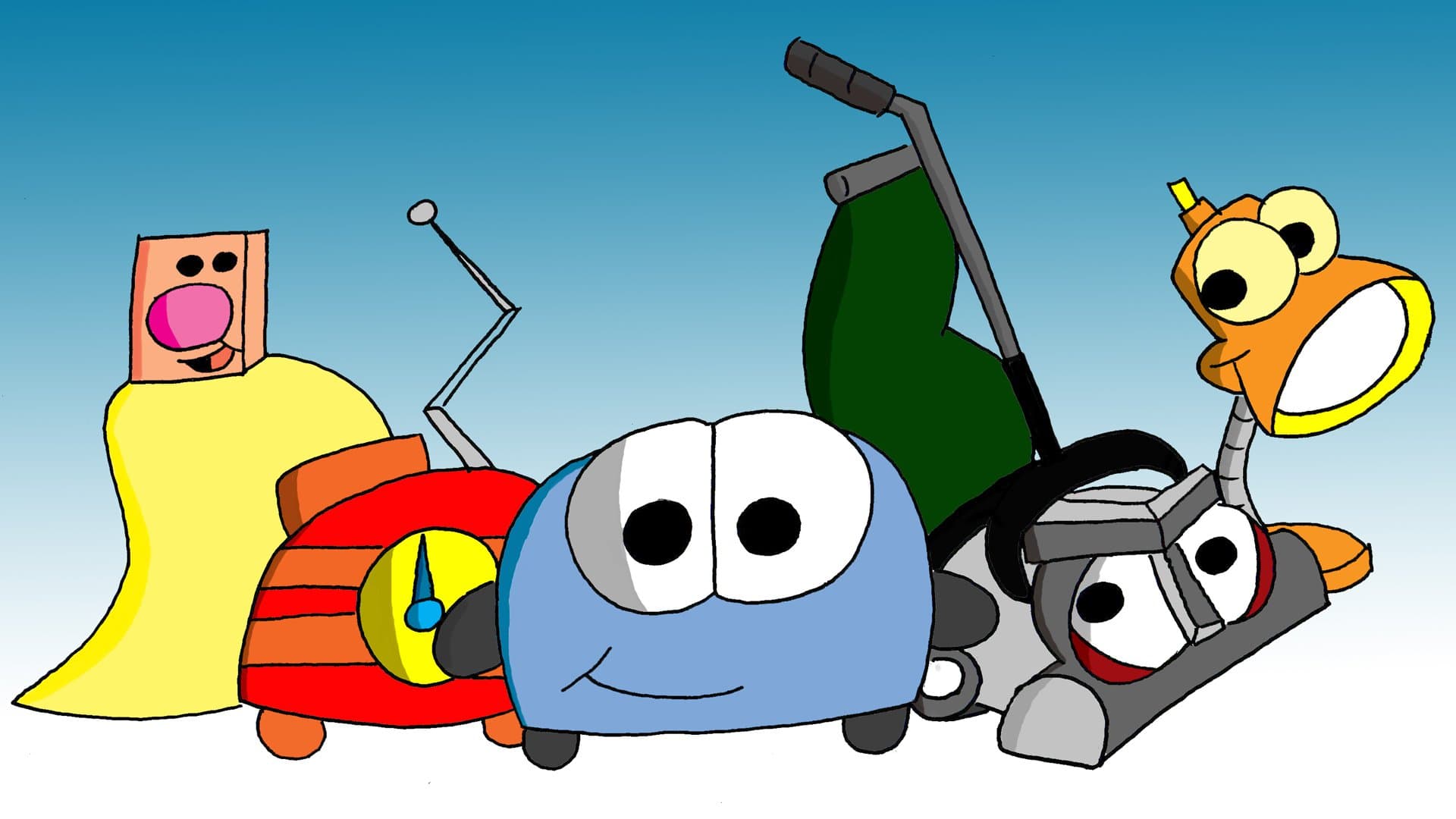
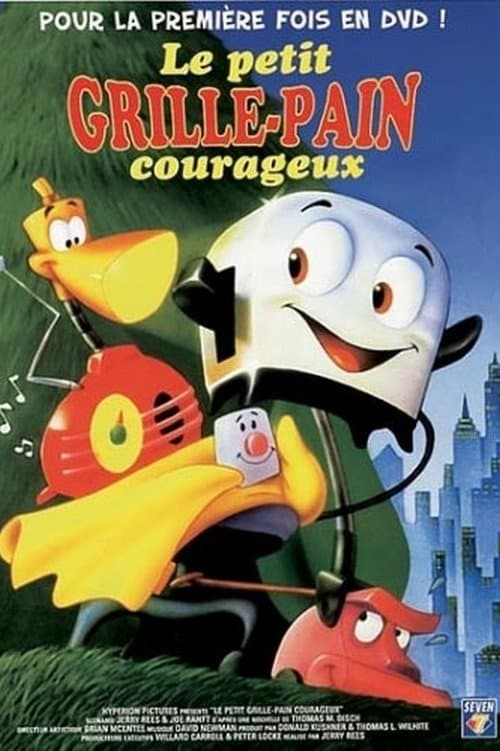
A group of dated appliances, finding themselves stranded in a summer home that their family had just sold, decide to seek out their eight year old 'master'.
Difficult scenes
The opening emotional setup can be quite heavy for younger children, because the appliances feel abandoned by their young master and fear that they no longer matter to him. That idea of being left behind comes back more than once and may strongly affect children who are sensitive to separation or rejection. A forest sequence involves a violent storm, darkness, wind, lightning, and real danger for the group during the night. The scene is animated in an expressive way and may be frightening, especially because one of the more vulnerable characters becomes separated and visibly panicked. The journey to the city includes several physical threats, including a fall into water, a threatening swamp, and repeated moments where the heroes seem at risk of being destroyed or torn apart. The violence remains cartoon based, but the film emphasizes the characters' fragility and fear, which can make the tension feel stronger for young viewers. The scenes in the parts shop and later in the junkyard are the darkest in the film, with hostile machines, the idea of being dismantled, and a harsh, noisy industrial atmosphere. For many children, the strongest impact will come less from visible violence than from the sustained feeling of menace and despair.
Where to watch
No verified platform for the US market yet. We keep this section updated as availability changes.
About this title
- Format
- Feature film
- Year
- 1987
- Runtime
- 1h 30m
- Countries
- United States of America
- Original language
- EN
- Directed by
- Jerry Rees
- Main cast
- Deanna Oliver, Jon Lovitz, Timothy Stack, Phil Hartman, Timothy E. Day, Thurl Ravenscroft, Joe Ranft, Judy Toll, Wayne Kaatz, Colette Savage
- Studios
- The Kushner-Locke Company, Hyperion Pictures
Content barometer
Violence
2/5
Moderate
Fear
3/5
Notable tension
Sexuality
0/5
None
Language
1/5
Mild
Narrative complexity
1/5
Accessible
Adult themes
0/5
None
Expert review
The Brave Little Toaster is a family animated film that blends adventure and warmth with several surprisingly dark stretches for very young viewers. The main sensitive elements come from fear, with repeated scenes of peril, separation, threatening environments, and a junkyard setting that can feel intense, along with a strong emotional thread about abandonment and the fear of no longer being loved. The content stays stylized rather than realistic, with no sexual content and no substance use, but the unsettling moments are fairly frequent and can linger in a child's mind more than a typical gentle family cartoon. There are also a few mild dated gender stereotypes in the way some characters are coded or placed in vulnerable roles, not as a central issue, yet worth briefly discussing with children if it stands out to them. For sensitive viewers, it is best to watch together, mention in advance that some scenes may feel scary, and reassure them that the story is ultimately centered on friendship, loyalty, and bravery.
Synopsis
A group of dated appliances, finding themselves stranded in a summer home that their family had just sold, decide to seek out their eight year old 'master'.
Difficult scenes
The opening emotional setup can be quite heavy for younger children, because the appliances feel abandoned by their young master and fear that they no longer matter to him. That idea of being left behind comes back more than once and may strongly affect children who are sensitive to separation or rejection. A forest sequence involves a violent storm, darkness, wind, lightning, and real danger for the group during the night. The scene is animated in an expressive way and may be frightening, especially because one of the more vulnerable characters becomes separated and visibly panicked. The journey to the city includes several physical threats, including a fall into water, a threatening swamp, and repeated moments where the heroes seem at risk of being destroyed or torn apart. The violence remains cartoon based, but the film emphasizes the characters' fragility and fear, which can make the tension feel stronger for young viewers. The scenes in the parts shop and later in the junkyard are the darkest in the film, with hostile machines, the idea of being dismantled, and a harsh, noisy industrial atmosphere. For many children, the strongest impact will come less from visible violence than from the sustained feeling of menace and despair.