Iblard Time
イバラード時間
Iblard Time
イバラード時間
Your feedback improves this guide
Your feedback highlights guides that need a second look and keeps the rating trustworthy.
Does this age rating seem accurate to you?
Sign in to vote
What this film brings
Content barometer
Violence
0/5
None
Fear
1/5
Mild
Sexuality
0/5
None
Language
0/5
None
Narrative complexity
0/5
Simple
Adult themes
0/5
None
Expert review
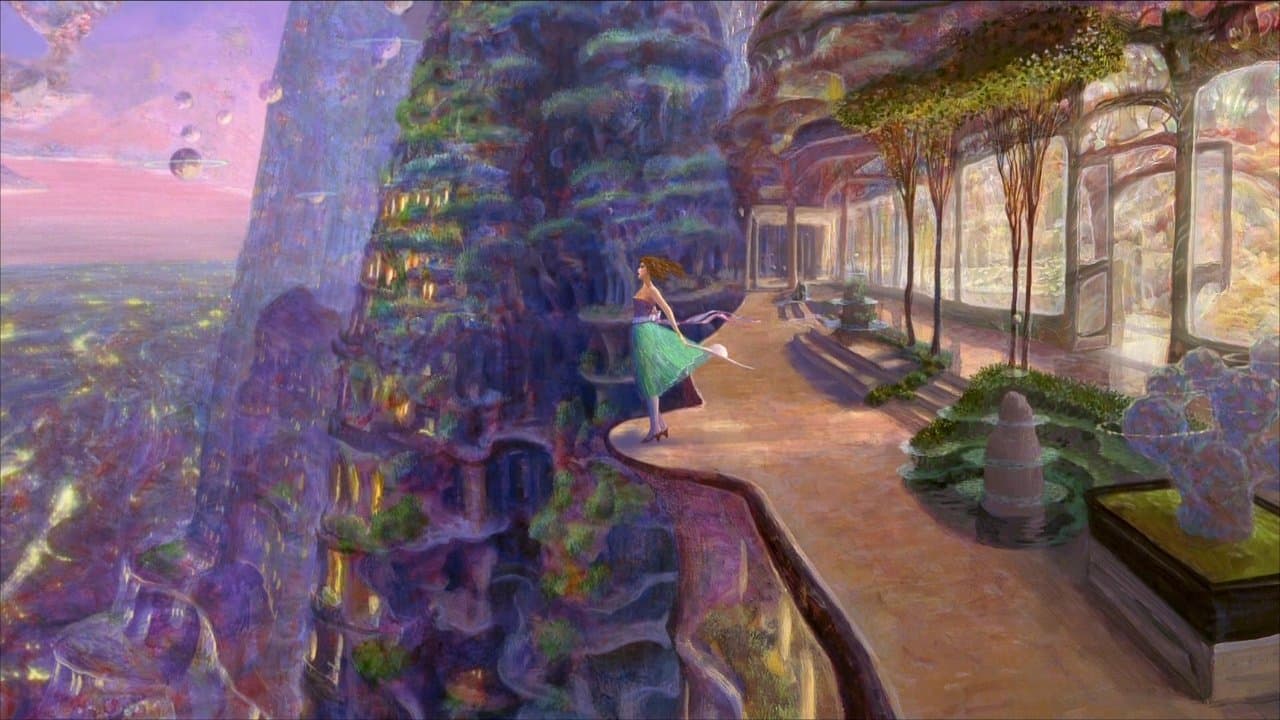
Iblard Time is a quiet, highly visual animated short that works more like a moving gallery of fantasy paintings than a traditional story. The main sensitive element is not violence or danger, but the unusual dreamlike imagery, with odd creatures, strange spaces, and a mildly mysterious mood that may confuse very young viewers more than truly scare them. Its overall intensity is very low, with no physical violence, no sexual content, no meaningful bad language, and no substance use, while the darker images remain brief and stylized. For parents, the key question is less about safety and more about engagement, since children expecting a clear plot or lively characters may lose interest quickly. It works best as a shared artistic viewing, with an adult helping younger children name what they see and reassuring them that the film is meant to feel imaginative and curious rather than threatening.
Synopsis
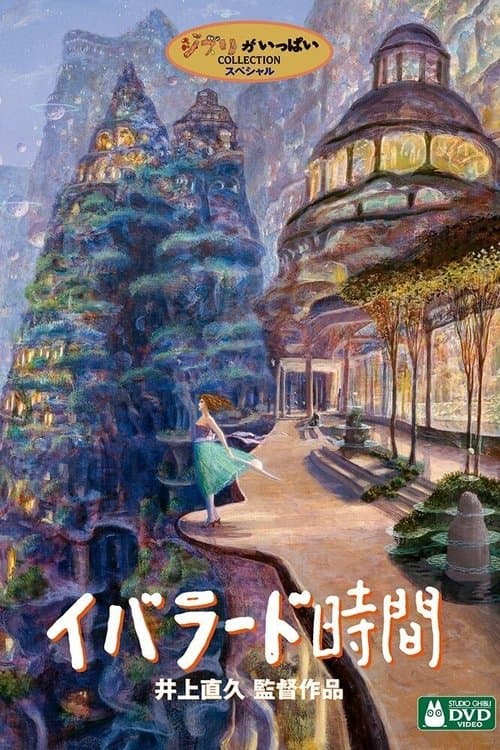
A quiet stroll through the imaginary world of Iblard, originally depicted in the paintings by Naohisa Inoue, influenced by Impressionism and Surrealism.
Difficult scenes
Some sequences feature surreal landscapes, floating buildings, and highly stylized figures that do not follow the familiar rules of most young children's animation. A very young viewer may find these images odd or mildly unsettling, especially when they appear suddenly within a quiet or music driven scene. The near total lack of dialogue and clear narrative explanation can create mild discomfort for children who need to understand exactly what is happening. This is more about confusion or frustration than fear, but it can still make a preschool or early elementary viewer disengage.
Where to watch
No verified platform for the US market yet. We keep this section updated as availability changes.
Availability checked on Apr 01, 2026
About this title
- Format
- Short film
- Year
- 2007
- Runtime
- 30m
- Countries
- Japan
- Original language
- JA
- Directed by
- Naohisa Inoue
- Studios
- Studio Ghibli
Content barometer
Violence
0/5
None
Fear
1/5
Mild
Sexuality
0/5
None
Language
0/5
None
Narrative complexity
0/5
Simple
Adult themes
0/5
None
Expert review
Iblard Time is a quiet, highly visual animated short that works more like a moving gallery of fantasy paintings than a traditional story. The main sensitive element is not violence or danger, but the unusual dreamlike imagery, with odd creatures, strange spaces, and a mildly mysterious mood that may confuse very young viewers more than truly scare them. Its overall intensity is very low, with no physical violence, no sexual content, no meaningful bad language, and no substance use, while the darker images remain brief and stylized. For parents, the key question is less about safety and more about engagement, since children expecting a clear plot or lively characters may lose interest quickly. It works best as a shared artistic viewing, with an adult helping younger children name what they see and reassuring them that the film is meant to feel imaginative and curious rather than threatening.
Synopsis
A quiet stroll through the imaginary world of Iblard, originally depicted in the paintings by Naohisa Inoue, influenced by Impressionism and Surrealism.
Difficult scenes
Some sequences feature surreal landscapes, floating buildings, and highly stylized figures that do not follow the familiar rules of most young children's animation. A very young viewer may find these images odd or mildly unsettling, especially when they appear suddenly within a quiet or music driven scene. The near total lack of dialogue and clear narrative explanation can create mild discomfort for children who need to understand exactly what is happening. This is more about confusion or frustration than fear, but it can still make a preschool or early elementary viewer disengage.