Dexter's Laboratory
Dexter's Laboratory
Your feedback improves this guide
Your feedback highlights guides that need a second look and keeps the rating trustworthy.
Does this age rating seem accurate to you?
Sign in to vote
Watch-outs
What this film brings
Content barometer
Violence
1/5
Mild
Fear
1/5
Mild
Sexuality
0/5
None
Language
1/5
Mild
Narrative complexity
1/5
Accessible
Adult themes
0/5
None
Expert review
Dexter's Laboratory is a fast paced, highly stylized animated comedy made for children and families, with lots of absurd inventions and playful conflict between siblings. The main sensitive elements come from chase scenes, laboratory explosions, experiments going wrong, and occasional cartoon style confrontations with rivals or villains in some segments. The intensity stays low to mild because the action is unrealistic, there are no lasting injuries, and the series does not present suffering in a graphic way, yet the constant chaos and quick bursts of tension may overwhelm very young viewers. There is also some mild name calling and comedic belittling when characters insult, outsmart, or embarrass one another. For children around age 4, it can work in short sessions if they already handle noisy and busy cartoons well, and parents can help by pointing out that the science is imaginary and by discussing teasing so children do not copy it.
Synopsis
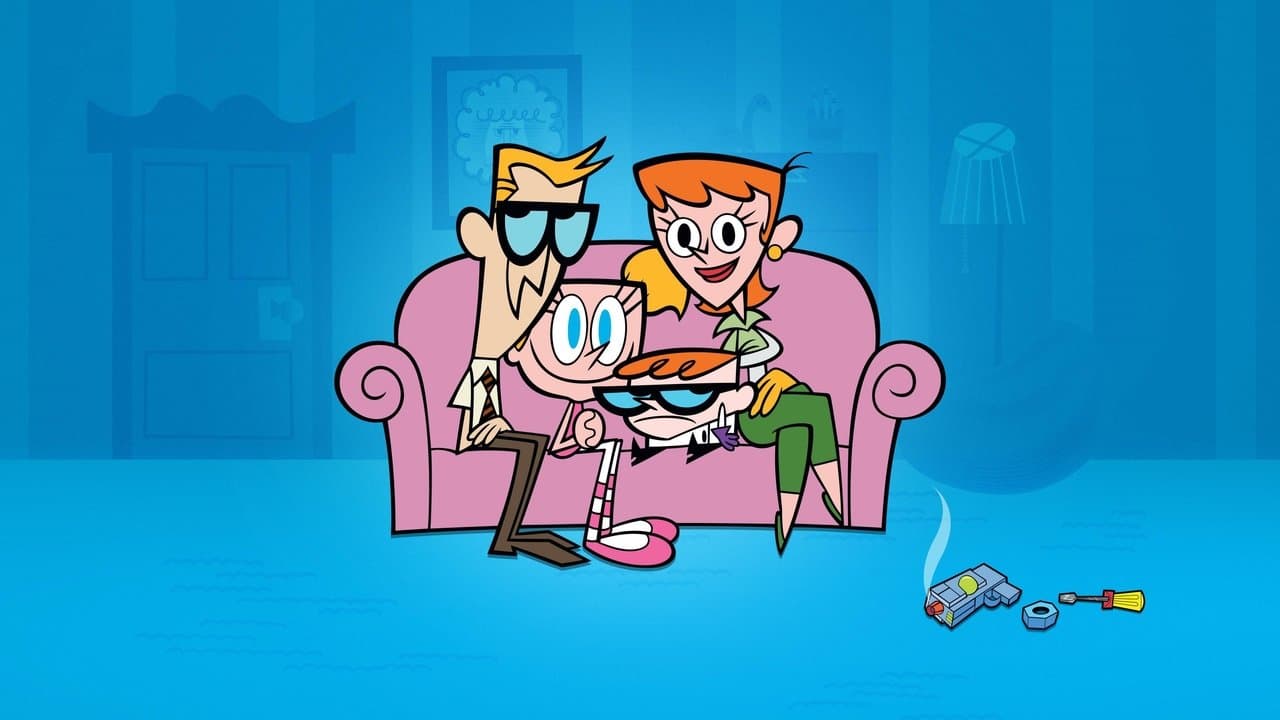
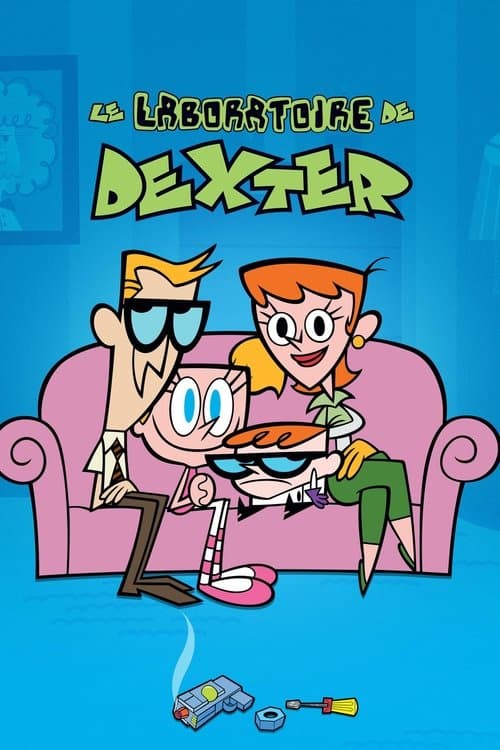
Dexter, a boy-genius with a secret laboratory, constantly battles his sister Dee Dee, who always gains access despite his best efforts to keep her out, as well as his arch-rival and neighbor, Mandark.
Difficult scenes
Several episodes are built around Dexter's experiments spinning out of control, with machines exploding, absurd transformations, or creatures suddenly acting threatening. These scenes remain very cartoony, but the noise, speed, and feeling of danger may startle a sensitive child, especially if the laboratory visuals feel busy or overwhelming. In the show's central sibling dynamic, Dee Dee often enters the lab after being told not to and accidentally causes major damage, which leads to yelling, arguments, and angry reactions from Dexter. The tone stays comedic, but the repeated brother and sister conflict may encourage imitation of teasing or bother a young child who is sensitive to family tension. Episodes involving Mandark, or the superhero segments, sometimes bring in a more defined antagonist, with exaggerated threats, aggressive competition, and stylized fights. There is no realistic violence, however some children may find these figures more intimidating than the everyday sibling jokes, especially when the mood turns darker for a few minutes.
Where to watch
No verified platform for the US market yet. We keep this section updated as availability changes.
Availability checked on Apr 01, 2026
About this title
- Format
- TV series
- Year
- 1996
- Runtime
- 7m
- Countries
- United States of America
- Original language
- EN
- Directed by
- Genndy Tartakovsky
- Main cast
- Candi Milo, Kat Cressida, Jeff Bennett, Kath Soucie, Eddie Deezen
- Studios
- Hanna-Barbera Cartoons, Cartoon Network Studios
Content barometer
Violence
1/5
Mild
Fear
1/5
Mild
Sexuality
0/5
None
Language
1/5
Mild
Narrative complexity
1/5
Accessible
Adult themes
0/5
None
Expert review
Dexter's Laboratory is a fast paced, highly stylized animated comedy made for children and families, with lots of absurd inventions and playful conflict between siblings. The main sensitive elements come from chase scenes, laboratory explosions, experiments going wrong, and occasional cartoon style confrontations with rivals or villains in some segments. The intensity stays low to mild because the action is unrealistic, there are no lasting injuries, and the series does not present suffering in a graphic way, yet the constant chaos and quick bursts of tension may overwhelm very young viewers. There is also some mild name calling and comedic belittling when characters insult, outsmart, or embarrass one another. For children around age 4, it can work in short sessions if they already handle noisy and busy cartoons well, and parents can help by pointing out that the science is imaginary and by discussing teasing so children do not copy it.
Synopsis
Dexter, a boy-genius with a secret laboratory, constantly battles his sister Dee Dee, who always gains access despite his best efforts to keep her out, as well as his arch-rival and neighbor, Mandark.
Difficult scenes
Several episodes are built around Dexter's experiments spinning out of control, with machines exploding, absurd transformations, or creatures suddenly acting threatening. These scenes remain very cartoony, but the noise, speed, and feeling of danger may startle a sensitive child, especially if the laboratory visuals feel busy or overwhelming. In the show's central sibling dynamic, Dee Dee often enters the lab after being told not to and accidentally causes major damage, which leads to yelling, arguments, and angry reactions from Dexter. The tone stays comedic, but the repeated brother and sister conflict may encourage imitation of teasing or bother a young child who is sensitive to family tension. Episodes involving Mandark, or the superhero segments, sometimes bring in a more defined antagonist, with exaggerated threats, aggressive competition, and stylized fights. There is no realistic violence, however some children may find these figures more intimidating than the everyday sibling jokes, especially when the mood turns darker for a few minutes.