The Gruffalo
The Gruffalo
Your feedback improves this guide
Your feedback highlights guides that need a second look and keeps the rating trustworthy.
Does this age rating seem accurate to you?
Sign in to vote
Watch-outs
What this film brings
Content barometer
Violence
1/5
Mild
Fear
2/5
A few scenes
Sexuality
0/5
None
Language
0/5
None
Narrative complexity
0/5
Simple
Adult themes
0/5
None
Expert review
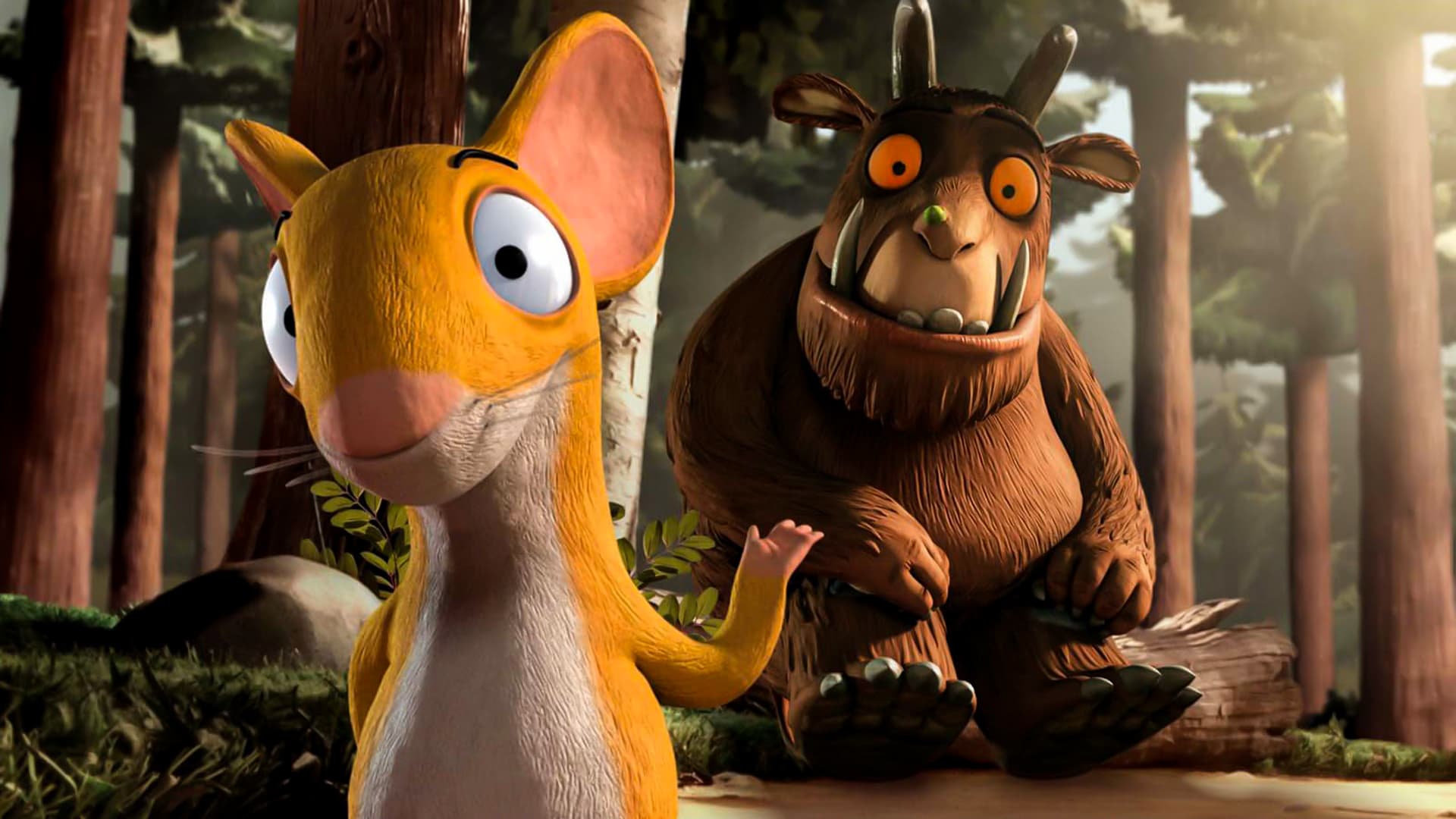
This animated short adapts a beloved children's book with a cozy autumn storybook feel, while adding light suspense that remains broadly reassuring. The main sensitive material involves repeated threats of being eaten, since several predators try to lure the mouse, along with the appearance of a large monster with claws, tusks, and a slightly intimidating design. The intensity stays low to moderate, with no graphic injury and no realistic violence, and the tense scenes are brief, stylized, and often softened by humor and the mouse's cleverness. Most children around age 4 can handle it, though more sensitive viewers may react to the monster's look or to the repeated danger language. Parents may want to remind children that this is a make believe woodland tale, and that the story focuses on problem solving and bravery rather than harm.
Synopsis
The magical tale of a mouse who sets foot on a woodland adventure in search of a nut. Encountering predators who all wish to eat him - Fox, Owl and Snake - the brave mouse creates a terrifying, imaginary monster to frighten them away. But what will the mouse do when he meets this frightful monster for real?
Difficult scenes
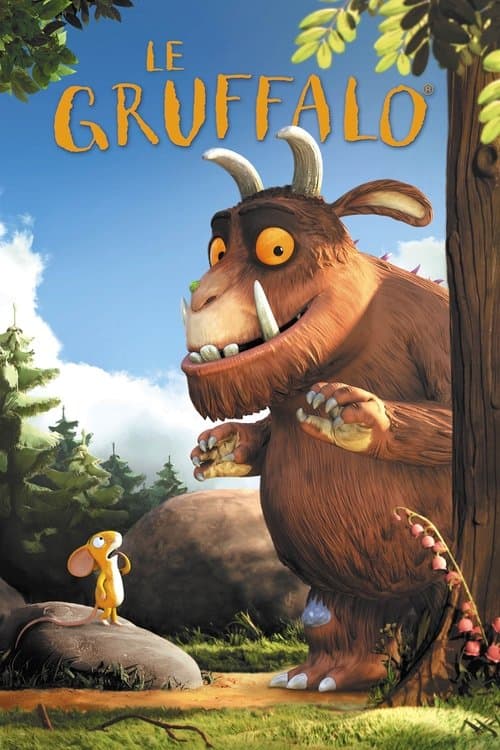
The mouse meets a fox, an owl, and a snake, and each of them clearly wants to eat him. These scenes are calm and highly stylized, but the predatory intent is easy for children to understand, so very sensitive viewers may feel uneasy about the repeated threat. When the Gruffalo finally appears, he looks exactly like the monster the mouse has been describing, with tusks, claws, and a large looming presence. This moment can be startling for children who assumed the creature was only imaginary, even though the film keeps a gentle storybook tone rather than turning truly scary.
Where to watch
No verified platform for the US market yet. We keep this section updated as availability changes.
About this title
- Format
- Short film
- Year
- 2009
- Runtime
- 27m
- Countries
- United Kingdom, Germany
- Original language
- EN
- Directed by
- Jakob Schuh, Max Lang
- Main cast
- Helena Bonham Carter, Rob Brydon, Robbie Coltrane, James Corden, John Hurt, Tom Wilkinson
- Studios
- Magic Light Pictures, Orange Eyes, Studio Soi
Content barometer
Violence
1/5
Mild
Fear
2/5
A few scenes
Sexuality
0/5
None
Language
0/5
None
Narrative complexity
0/5
Simple
Adult themes
0/5
None
Expert review
This animated short adapts a beloved children's book with a cozy autumn storybook feel, while adding light suspense that remains broadly reassuring. The main sensitive material involves repeated threats of being eaten, since several predators try to lure the mouse, along with the appearance of a large monster with claws, tusks, and a slightly intimidating design. The intensity stays low to moderate, with no graphic injury and no realistic violence, and the tense scenes are brief, stylized, and often softened by humor and the mouse's cleverness. Most children around age 4 can handle it, though more sensitive viewers may react to the monster's look or to the repeated danger language. Parents may want to remind children that this is a make believe woodland tale, and that the story focuses on problem solving and bravery rather than harm.
Synopsis
The magical tale of a mouse who sets foot on a woodland adventure in search of a nut. Encountering predators who all wish to eat him - Fox, Owl and Snake - the brave mouse creates a terrifying, imaginary monster to frighten them away. But what will the mouse do when he meets this frightful monster for real?
Difficult scenes
The mouse meets a fox, an owl, and a snake, and each of them clearly wants to eat him. These scenes are calm and highly stylized, but the predatory intent is easy for children to understand, so very sensitive viewers may feel uneasy about the repeated threat. When the Gruffalo finally appears, he looks exactly like the monster the mouse has been describing, with tusks, claws, and a large looming presence. This moment can be startling for children who assumed the creature was only imaginary, even though the film keeps a gentle storybook tone rather than turning truly scary.