
The Swan Princess
The Swan Princess
Your feedback improves this guide
Your feedback highlights guides that need a second look and keeps the rating trustworthy.
Does this age rating seem accurate to you?
Sign in to vote
Watch-outs
What this film brings
Content barometer
Violence
3/5
Notable
Fear
2/5
A few scenes
Sexuality
1/5
Allusions
Language
0/5
None
Narrative complexity
1/5
Accessible
Adult themes
0/5
None
Expert review
This animated fantasy romance is a family film with songs, comic animal side characters, and a clear fairy tale atmosphere that many children can follow easily. The main sensitive elements are a threatening sorcerer, a kidnapping, a magical transformation forced on the heroine, several chase sequences, and the death of a parent presented as a sad turning point in the story. The intensity stays moderate and highly stylized, with no graphic detail, yet the monster imagery, the captivity theme, and a few darker confrontations may unsettle younger or very sensitive viewers. The film also includes some dated gender stereotypes, especially around the heroine's beauty, the princess in distress pattern, and the romantic rescue framework, so parents may want to talk about that in a calm and balanced way. For younger children, it helps to watch together, reassure them during the darker scenes, and discuss grief, bravery, and the idea that love should be based on more than appearance.
Synopsis
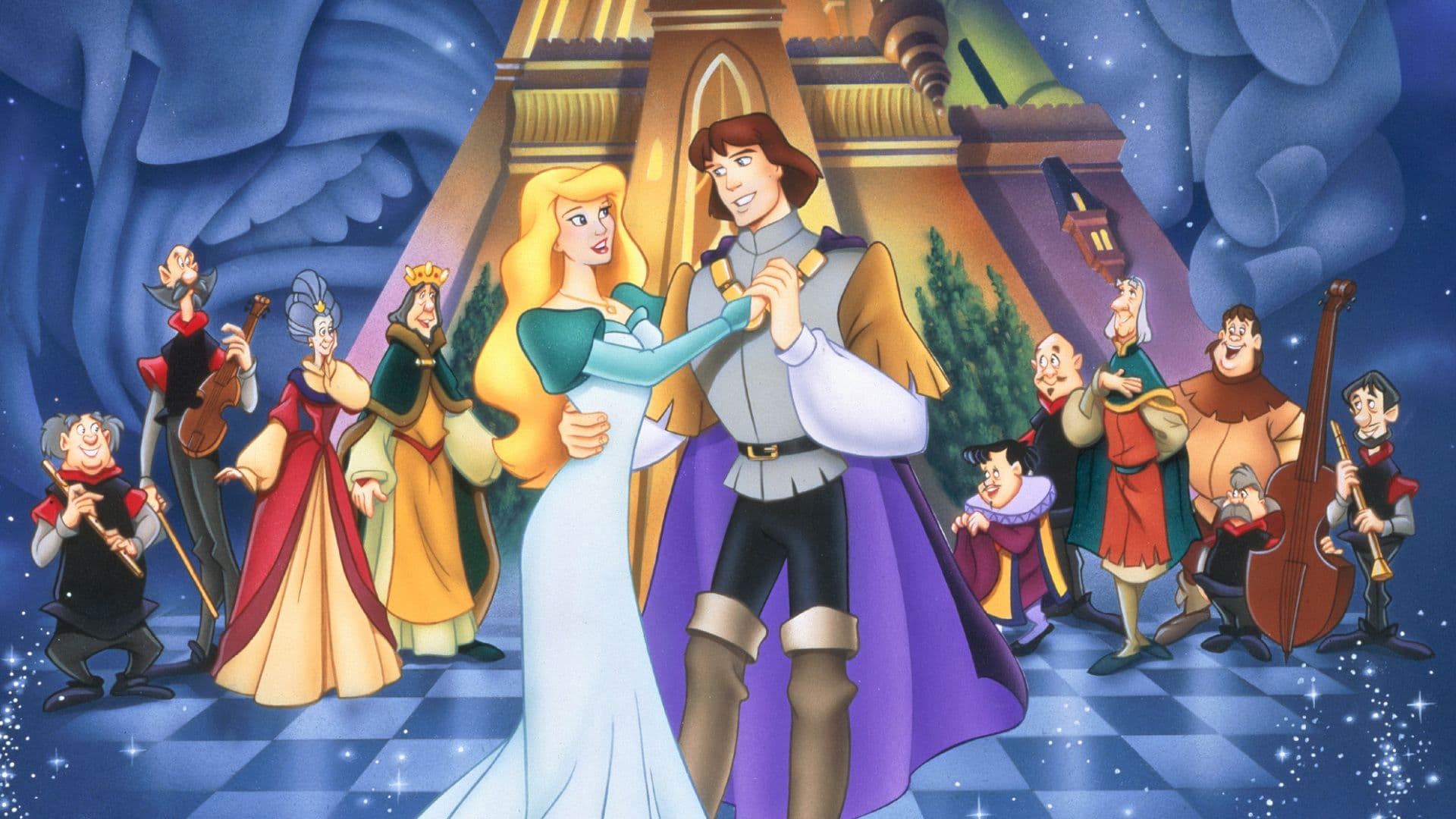
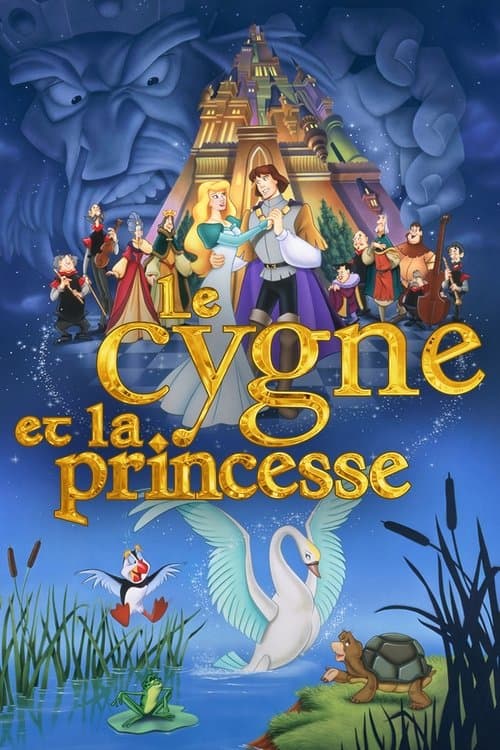
The beautiful princess Odette is transformed into a swan by an evil sorcerer's spell. Held captive at an enchanted lake, she befriends Jean-Bob the frog, Speed the turtle and Puffin the bird. Despite their struggle to keep the princess safe, these good-natured creatures can do nothing about the sorcerer's spell, which can only be broken by a vow of everlasting love.
Difficult scenes
Early in the story, the conflict is built around an ambitious sorcerer who threatens the kingdom and swears revenge. The animation is not realistic, but his design, voice, and overall presence may still feel scary to children who are easily unsettled by dark villains or tense fairy tale imagery. During the roadside attack, the heroine's father is badly wounded in the ambush, and the story clearly establishes his death afterward. The moment is not graphic, but it can feel sad or emotionally heavy for children because the loss of a parent becomes an important part of the story's emotional drive. The princess is kidnapped and forced to live under a spell that turns her into a swan during the day. The captivity, loss of bodily control, and isolation under the villain's power may be upsetting for younger viewers, even though lighter scenes with the animal companions help soften the tone. Several sequences involve chases, hunting attempts, and confrontations with the great beast or the sorcerer. These scenes remain in a family adventure register, but they are frequent enough to create real tension for children around ages 4 to 6, especially if they are sensitive to suspense.
Where to watch
No verified platform for the US market yet. We keep this section updated as availability changes.
About this title
- Format
- Feature film
- Year
- 1994
- Runtime
- 1h 29m
- Countries
- United States of America
- Original language
- EN
- Directed by
- Richard Rich
- Main cast
- Jack Palance, Howard McGillin, Michelle Nicastro, Liz Callaway, John Cleese, Steven Wright, Steve Vinovich, Mark Harelik, James Arrington, Davis Gaines
- Studios
- Rich Animation Studios
Content barometer
Violence
3/5
Notable
Fear
2/5
A few scenes
Sexuality
1/5
Allusions
Language
0/5
None
Narrative complexity
1/5
Accessible
Adult themes
0/5
None
Expert review
This animated fantasy romance is a family film with songs, comic animal side characters, and a clear fairy tale atmosphere that many children can follow easily. The main sensitive elements are a threatening sorcerer, a kidnapping, a magical transformation forced on the heroine, several chase sequences, and the death of a parent presented as a sad turning point in the story. The intensity stays moderate and highly stylized, with no graphic detail, yet the monster imagery, the captivity theme, and a few darker confrontations may unsettle younger or very sensitive viewers. The film also includes some dated gender stereotypes, especially around the heroine's beauty, the princess in distress pattern, and the romantic rescue framework, so parents may want to talk about that in a calm and balanced way. For younger children, it helps to watch together, reassure them during the darker scenes, and discuss grief, bravery, and the idea that love should be based on more than appearance.
Synopsis
The beautiful princess Odette is transformed into a swan by an evil sorcerer's spell. Held captive at an enchanted lake, she befriends Jean-Bob the frog, Speed the turtle and Puffin the bird. Despite their struggle to keep the princess safe, these good-natured creatures can do nothing about the sorcerer's spell, which can only be broken by a vow of everlasting love.
Difficult scenes
Early in the story, the conflict is built around an ambitious sorcerer who threatens the kingdom and swears revenge. The animation is not realistic, but his design, voice, and overall presence may still feel scary to children who are easily unsettled by dark villains or tense fairy tale imagery. During the roadside attack, the heroine's father is badly wounded in the ambush, and the story clearly establishes his death afterward. The moment is not graphic, but it can feel sad or emotionally heavy for children because the loss of a parent becomes an important part of the story's emotional drive. The princess is kidnapped and forced to live under a spell that turns her into a swan during the day. The captivity, loss of bodily control, and isolation under the villain's power may be upsetting for younger viewers, even though lighter scenes with the animal companions help soften the tone. Several sequences involve chases, hunting attempts, and confrontations with the great beast or the sorcerer. These scenes remain in a family adventure register, but they are frequent enough to create real tension for children around ages 4 to 6, especially if they are sensitive to suspense.