Latte and the Magic Waterstone
Latte Igel und der magische Wasserstein
Latte and the Magic Waterstone
Latte Igel und der magische Wasserstein
Your feedback improves this guide
Your feedback highlights guides that need a second look and keeps the rating trustworthy.
Does this age rating seem accurate to you?
Sign in to vote
Watch-outs
What this film brings
Content barometer
Violence
2/5
Moderate
Fear
2/5
A few scenes
Sexuality
0/5
None
Language
0/5
None
Narrative complexity
1/5
Accessible
Adult themes
0/5
None
Expert review
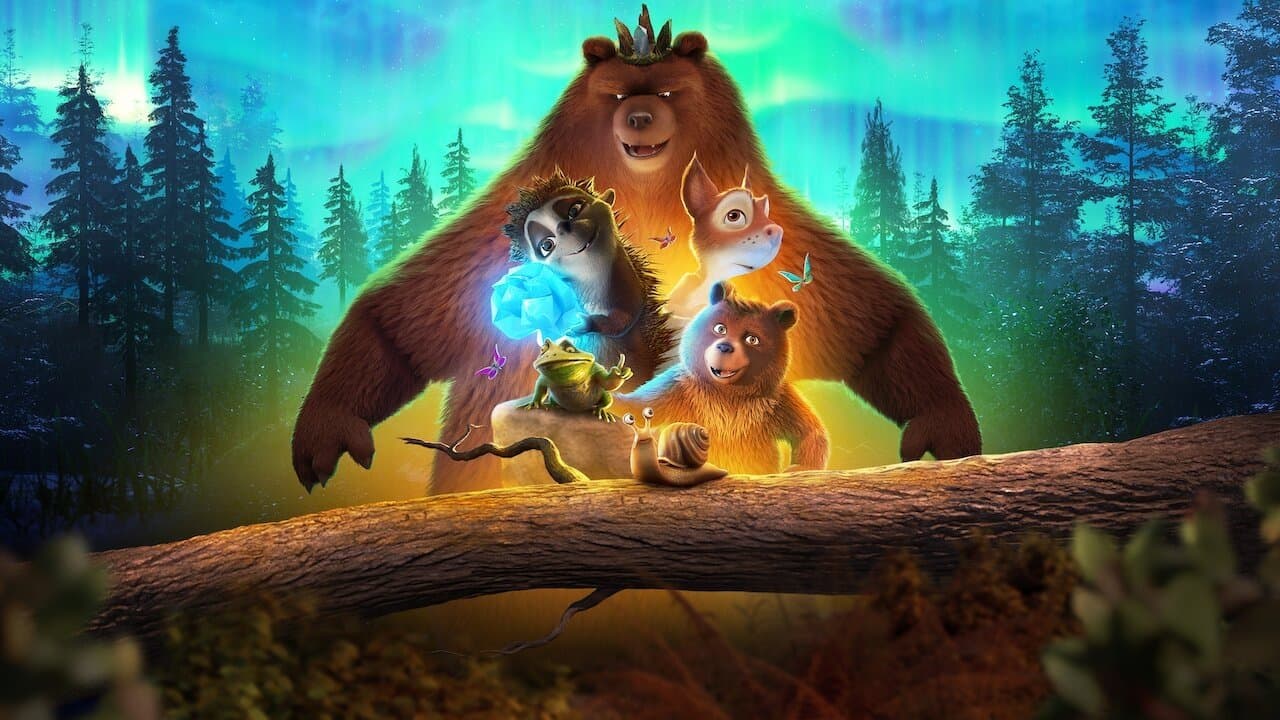
This animated film is a family friendly forest adventure with a bright visual style, appealing animal characters, and a simple quest centered on restoring water to the community. The sensitive material mainly comes from adventure peril, including drought related worry, several chase scenes, threatening predators, a capture sequence, arguments between friends, and the lonely status of an orphaned heroine who feels excluded. The intensity stays moderate and clearly stylized, with no graphic injury and no meaningful sexual or substance content, but some younger children may still be unsettled by sudden danger and by themes of isolation or rejection. The overall tone remains reassuring and hopeful, with strong emphasis on teamwork and bravery. Parents may want to watch alongside children who are sensitive to separation, conflict between friends, or scenes where animal villains briefly seem dangerous.
Synopsis
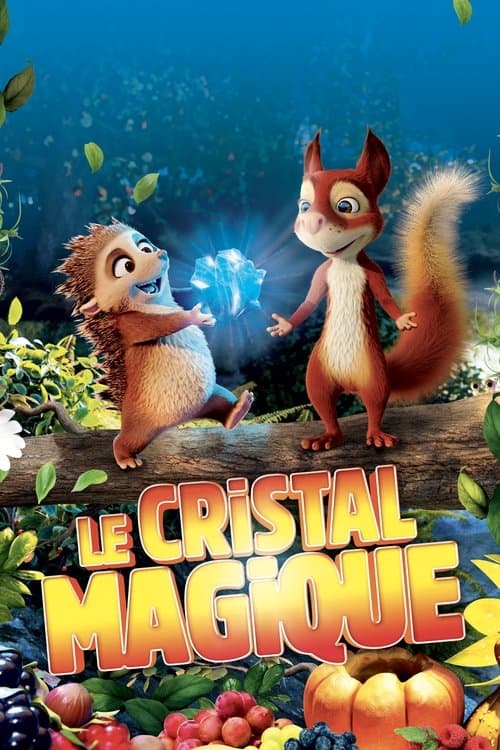
When a greedy bear steals a magic stone to keep the forest’s water for himself, a brave hedgehog and a timid squirrel must work together to retrieve it.
Difficult scenes
Early in the story, the forest is suffering from a worrying drought, and the animals speak about the lack of water as a serious threat to their survival. This dramatic setup remains child accessible, but it may still create real concern for children who are sensitive to scarcity or natural disaster themes. During the journey, Latte and Tjum face several threatening animals, including a lynx and later a wolf pack. These scenes rely on pursuit, being cornered, and the fear of attack, even though the presentation stays cartoony and avoids graphic detail. The two friends argue over their remaining water supplies and end up separating after accidentally ruining what was supposed to help them. This moment can land emotionally with children because it shows anger, temporary friendship conflict, and loneliness in an already difficult setting. Tjum later gets lost in enemy territory and is captured, which raises the tension through the idea of imprisonment and not being able to escape easily. The danger is not handled in a realistic or traumatic way, but younger viewers who dislike confinement scenes may still find it intense. The film also establishes that Latte is an orphan and that she is treated as an outsider or judged by others at the beginning of the story. One exchange with an older hedgehog introduces a dark comment about ending up alone, which may catch younger children off guard even though the film soon returns to a more hopeful tone.
Where to watch
No verified platform for the US market yet. We keep this section updated as availability changes.
About this title
- Format
- Feature film
- Year
- 2019
- Runtime
- 1h 21m
- Countries
- Belgium, Germany
- Original language
- DE
- Directed by
- Andrea Deppert, Mimi Maynard, Regina Welker, Nina Wels
- Main cast
- Luisa Wietzorek, Henning Baum, Timur Bartels, Tim Schwarzmaier, Maud Ackermann, Hans Bayer, Helen Blaschke, Nicolas Böll, Michael Deffert, Sebastian Christoph Jacob
- Studios
- Dreamin' Dolphin Film, Eagle Eye Filmproduktion, Grid Animation
Content barometer
Violence
2/5
Moderate
Fear
2/5
A few scenes
Sexuality
0/5
None
Language
0/5
None
Narrative complexity
1/5
Accessible
Adult themes
0/5
None
Expert review
This animated film is a family friendly forest adventure with a bright visual style, appealing animal characters, and a simple quest centered on restoring water to the community. The sensitive material mainly comes from adventure peril, including drought related worry, several chase scenes, threatening predators, a capture sequence, arguments between friends, and the lonely status of an orphaned heroine who feels excluded. The intensity stays moderate and clearly stylized, with no graphic injury and no meaningful sexual or substance content, but some younger children may still be unsettled by sudden danger and by themes of isolation or rejection. The overall tone remains reassuring and hopeful, with strong emphasis on teamwork and bravery. Parents may want to watch alongside children who are sensitive to separation, conflict between friends, or scenes where animal villains briefly seem dangerous.
Synopsis
When a greedy bear steals a magic stone to keep the forest’s water for himself, a brave hedgehog and a timid squirrel must work together to retrieve it.
Difficult scenes
Early in the story, the forest is suffering from a worrying drought, and the animals speak about the lack of water as a serious threat to their survival. This dramatic setup remains child accessible, but it may still create real concern for children who are sensitive to scarcity or natural disaster themes. During the journey, Latte and Tjum face several threatening animals, including a lynx and later a wolf pack. These scenes rely on pursuit, being cornered, and the fear of attack, even though the presentation stays cartoony and avoids graphic detail. The two friends argue over their remaining water supplies and end up separating after accidentally ruining what was supposed to help them. This moment can land emotionally with children because it shows anger, temporary friendship conflict, and loneliness in an already difficult setting. Tjum later gets lost in enemy territory and is captured, which raises the tension through the idea of imprisonment and not being able to escape easily. The danger is not handled in a realistic or traumatic way, but younger viewers who dislike confinement scenes may still find it intense. The film also establishes that Latte is an orphan and that she is treated as an outsider or judged by others at the beginning of the story. One exchange with an older hedgehog introduces a dark comment about ending up alone, which may catch younger children off guard even though the film soon returns to a more hopeful tone.