
Lonely Castle in the Mirror
かがみの孤城
Lonely Castle in the Mirror
かがみの孤城
Your feedback improves this guide
Your feedback highlights guides that need a second look and keeps the rating trustworthy.
Does this age rating seem accurate to you?
Sign in to vote
Watch-outs
What this film brings
Content barometer
Violence
2/5
Moderate
Fear
3/5
Notable tension
Sexuality
0/5
None
Language
0/5
None
Narrative complexity
3/5
Complex
Adult themes
0/5
None
Expert review
Lonely Castle in the Mirror is a Japanese animated film with a dreamlike and melancholic tone, following seven middle schoolers who, each struggling with bullying or difficult home situations, discover a magical castle hidden behind a mirror. The sensitive elements are primarily the central and recurring theme of school bullying and social isolation, a fantastical threat in which children risk being devoured by a wolf if they linger past 5pm, and the mention of a character's death handled with restraint but emotional weight. While these elements remain symbolic and never graphic, they run throughout the entire film and form its emotional core, making it a psychologically demanding work despite its gentle visual style. Parents accompanying children under 11 should plan a conversation after viewing, particularly around themes of bullying, loneliness, and loss, to help younger viewers process the emotions the film stirs.
Synopsis
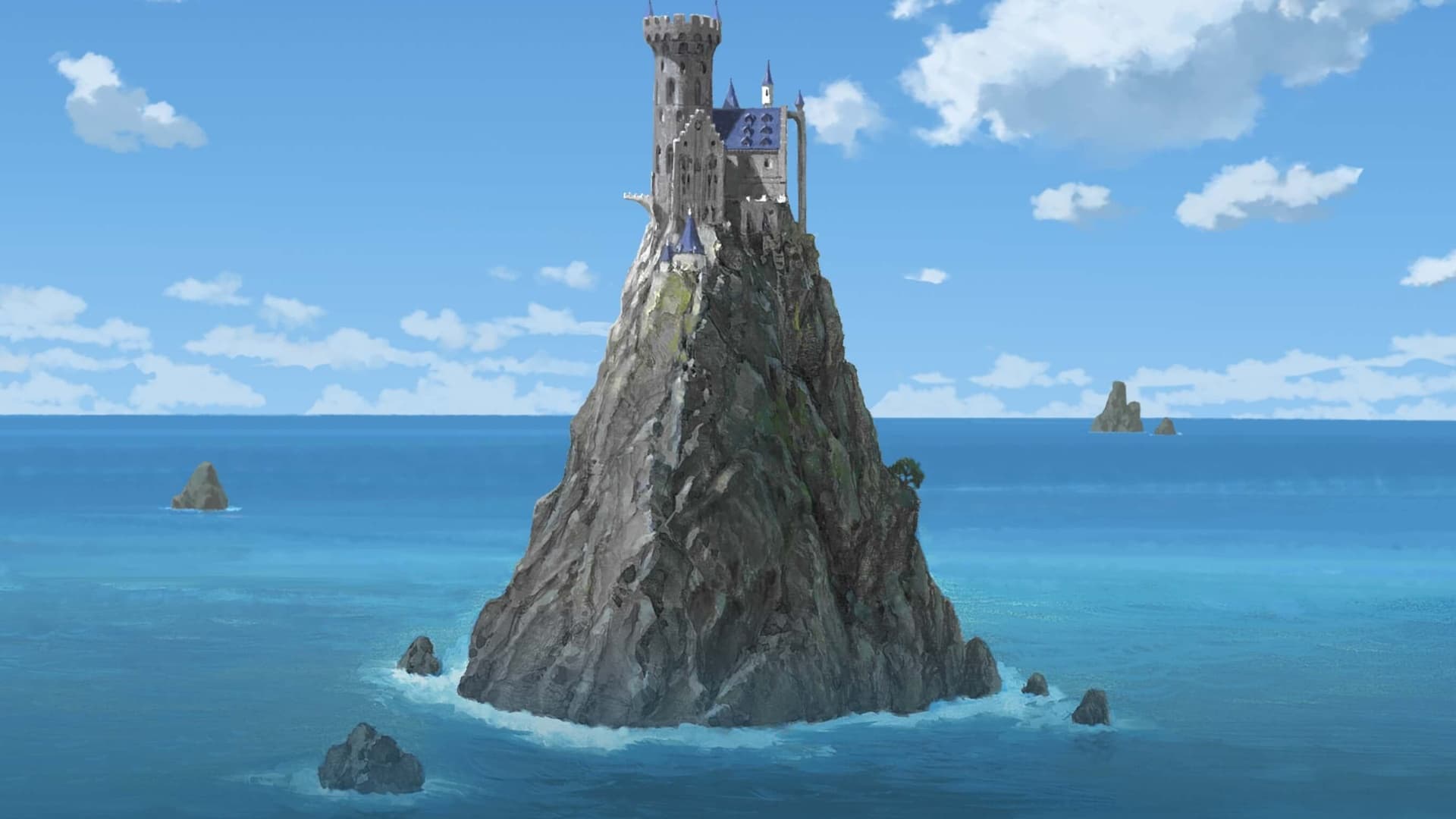
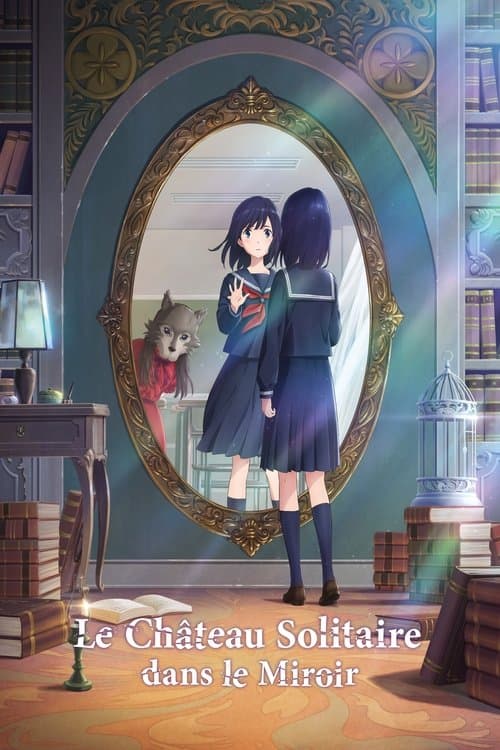
Shy outcast Kokoro has been avoiding school for weeks when she discovers a portal in her bedroom mirror. She reaches through and finds herself transported to an enchanting castle where she is joined by six other students. When a girl in a wolf mask explains that they have been invited to play a game, the teens must work together to uncover the mysterious connection that unites them. However, anyone who breaks the rules will be eaten by a wolf.
Difficult scenes
From the very first scenes, Kokoro's experience of school bullying is portrayed in a direct and realistic way: a classmate subjects her to daily psychological pressure that drives her to stop leaving her home entirely. These scenes, while not physically violent, may deeply affect children who have experienced similar situations or trigger a painful sense of recognition. Throughout the film, the castle's rule states that any child who remains inside after 5pm will be devoured by a wolf. This fantastical threat, repeated several times, creates a diffuse and sustained tension that may cause anxiety in children sensitive to narratives with mortal stakes, even though the depiction remains stylized and bloodless. As the story nears its climax, several characters break the rule and are taken by the wolf, shown in a symbolic rather than graphic manner, yet representing a sudden and emotionally intense collective loss that may catch younger viewers off guard and leave them visibly upset. The revelation that one of the castle's key figures has in fact died in the real world, a loss treated with great gentleness but carrying significant emotional weight, may provoke genuine sadness, particularly in children who have already experienced the death of someone close to them.
Where to watch
No verified platform for the US market yet. We keep this section updated as availability changes.
Availability checked on Apr 01, 2026
About this title
- Format
- Feature film
- Year
- 2022
- Runtime
- 1h 56m
- Countries
- Japan
- Original language
- JA
- Directed by
- Keiichi Hara
- Main cast
- Ami Touma, Takumi Kitamura, Sakura Kiryu, Rihito Itagaki, Naho Yokomizo, Minami Takayama, Yuki Kaji, Aoi Miyazaki, Mana Ashida, Kumiko Aso
- Studios
- Shochiku, A-1 Pictures, Poplar, Nippon Television Network Corporation, Aniplex, Yomiuri Telecasting Corporation, Production I.G, Chukyo TV Broadcasting Company, Sapporo Television Broadcasting Company, Miyagi Television Broadcasting, Shizuoka Daiichi Television, Hiroshima Telecasting, Fukuoka Broadcasting System
Content barometer
Violence
2/5
Moderate
Fear
3/5
Notable tension
Sexuality
0/5
None
Language
0/5
None
Narrative complexity
3/5
Complex
Adult themes
0/5
None
Expert review
Lonely Castle in the Mirror is a Japanese animated film with a dreamlike and melancholic tone, following seven middle schoolers who, each struggling with bullying or difficult home situations, discover a magical castle hidden behind a mirror. The sensitive elements are primarily the central and recurring theme of school bullying and social isolation, a fantastical threat in which children risk being devoured by a wolf if they linger past 5pm, and the mention of a character's death handled with restraint but emotional weight. While these elements remain symbolic and never graphic, they run throughout the entire film and form its emotional core, making it a psychologically demanding work despite its gentle visual style. Parents accompanying children under 11 should plan a conversation after viewing, particularly around themes of bullying, loneliness, and loss, to help younger viewers process the emotions the film stirs.
Synopsis
Shy outcast Kokoro has been avoiding school for weeks when she discovers a portal in her bedroom mirror. She reaches through and finds herself transported to an enchanting castle where she is joined by six other students. When a girl in a wolf mask explains that they have been invited to play a game, the teens must work together to uncover the mysterious connection that unites them. However, anyone who breaks the rules will be eaten by a wolf.
Difficult scenes
From the very first scenes, Kokoro's experience of school bullying is portrayed in a direct and realistic way: a classmate subjects her to daily psychological pressure that drives her to stop leaving her home entirely. These scenes, while not physically violent, may deeply affect children who have experienced similar situations or trigger a painful sense of recognition. Throughout the film, the castle's rule states that any child who remains inside after 5pm will be devoured by a wolf. This fantastical threat, repeated several times, creates a diffuse and sustained tension that may cause anxiety in children sensitive to narratives with mortal stakes, even though the depiction remains stylized and bloodless. As the story nears its climax, several characters break the rule and are taken by the wolf, shown in a symbolic rather than graphic manner, yet representing a sudden and emotionally intense collective loss that may catch younger viewers off guard and leave them visibly upset. The revelation that one of the castle's key figures has in fact died in the real world, a loss treated with great gentleness but carrying significant emotional weight, may provoke genuine sadness, particularly in children who have already experienced the death of someone close to them.