Le Cercle des petits philosophes
Does this age rating seem accurate to you?
Detailed parental analysis
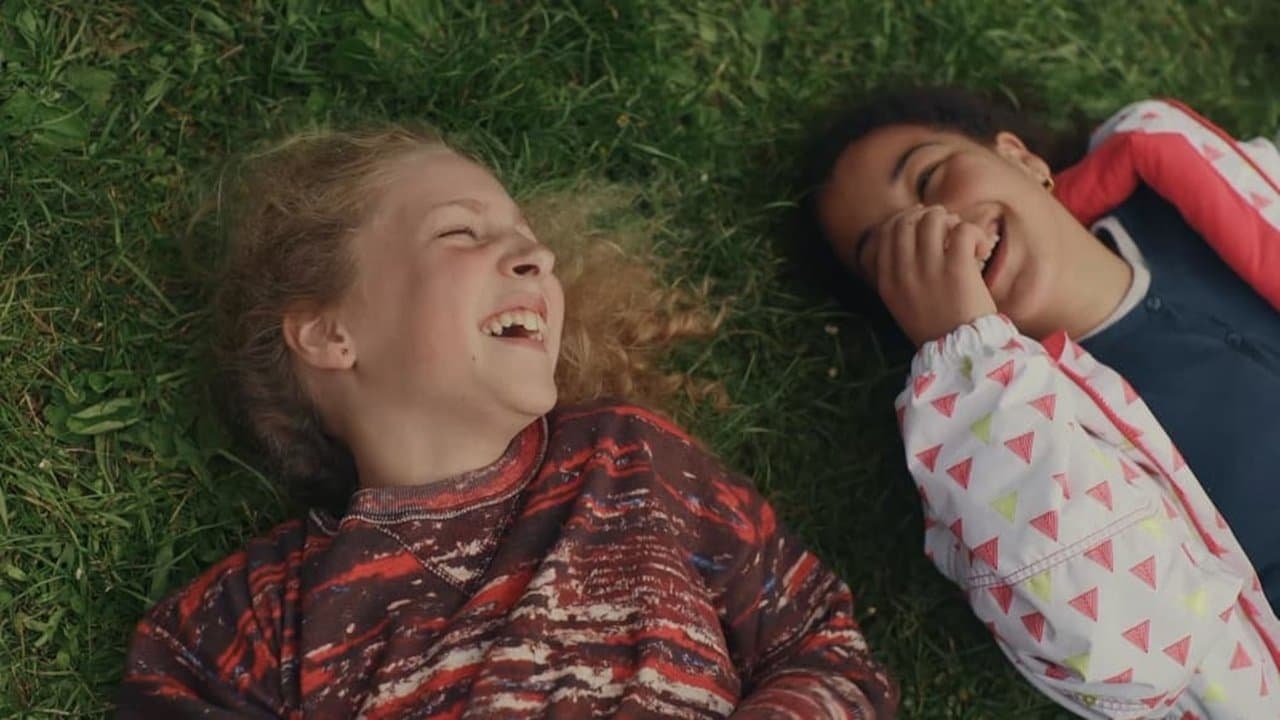
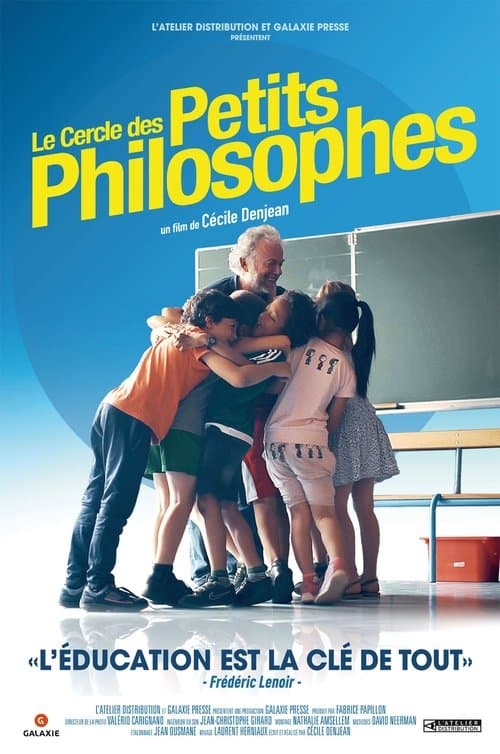
The Circle of Little Philosophers is a contemplative and warm documentary that follows sessions of philosophical workshops conducted with young primary school children. The film captures discussions in which children express themselves freely on existential questions: death, happiness, fear, justice and lying. It is primarily addressed to an adult and parental audience, although a curious child of ten years or older may find an echo of their own questioning in it.
Social Themes
The film traverses social issues through the voice of the children themselves, which makes it one of its most striking aspects. Death is addressed head-on and repeatedly, including the testimony of a young girl evoking the death of her father. Some children mention attacks when speaking of happiness and fear, others address poverty and homelessness. These sequences are not dramatised, but their emotional weight is real and may surprise a young viewer without preparation. Religion is also present, mentioned by certain children as a way of coming to terms with death and the afterlife.
Underlying Values
The documentary structures its purpose around critical thinking, respect for the voice of others and tolerance towards differing opinions. These values are embodied in the very design of the workshops: each child speaks, none is mocked, disagreements are welcomed. It is worth noting, however, that the film is backed by a specific organisation whose paid training schemes are promoted implicitly. This committed dimension does not invalidate the values transmitted, but it invites us to view the documentary as an engaged object rather than as a neutral perspective on philosophical childhood.
Parental and Family Portrayals
Parents appear little in the film, which focuses on children among themselves and with their facilitators. The notable absence of teachers in the classroom raises a question of context: the filmed exchanges seem to take place in an out-of-school setting, which gives a partial picture of the actual pedagogical system. This stepping back of the institutional adult figure is a narrative choice that deserves to be discussed with a child who might watch the film.
Strengths
The film succeeds in capturing authentic child speech on questions that adults often struggle to address with them. The most successful sequences show children formulating philosophical insights with a precision that astounds, proving that the capacity to philosophise is not reserved for adulthood. The educational interest is tangible: the documentary makes one want to create similar spaces for discussion, whether in the family or in the classroom. The direction is sober and places faces at the centre, which gives the film a sincere warmth despite legitimate questions about the extent of editing in certain scenes.
Age recommendation and discussion points
The film is suitable from age ten onwards for mature children, but it will find its most natural audience among adults and parents. After viewing, two angles of discussion stand out: inviting the child to say which question raised in the film resonated most with them, and wondering together whether genuine philosophical discussion is possible within the family, with the same rules of respect as in the workshops shown on screen.
About this title
- Format
- Feature film
- Year
- 2019
- Runtime
- 1h 30m
- Countries
- France
- Original language
- FR
- Directed by
- Cécile Denjean
- Main cast
- Frédéric Lenoir
- Studios
- Galaxy Presse
Content barometer
- Violence0/5None
- Fear2/5A few scenes
- Sexuality0/5None
- Language0/5None
- Narrative complexity2/5Moderate
- Adult themes0/5None
Values conveyed
- Acceptance of difference
- Perseverance
- Compassion
- Autonomy
- reflection
- empathy
- listening
- curiosity