Land of the Bears
Does this age rating seem accurate to you?
Detailed parental analysis
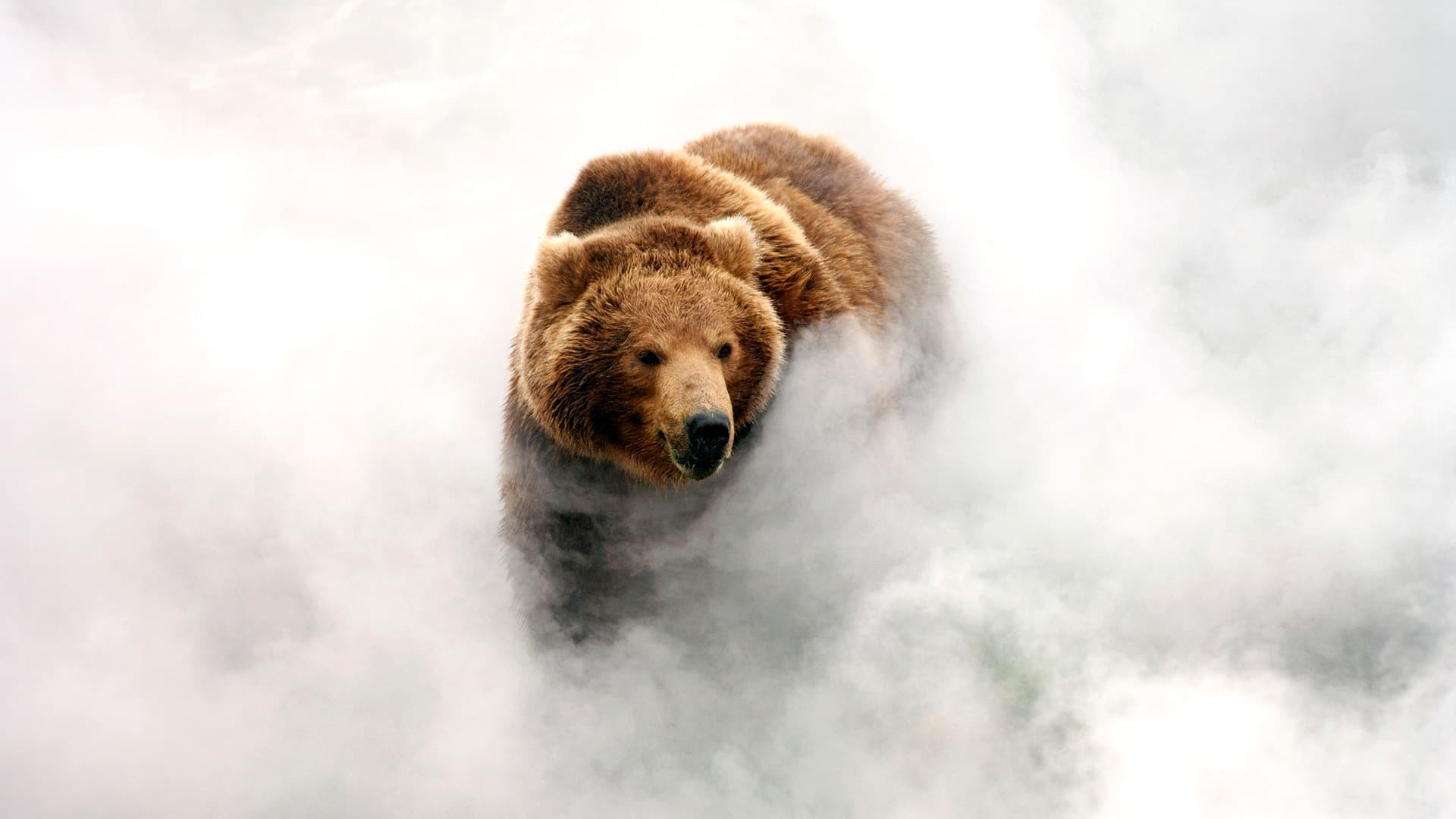
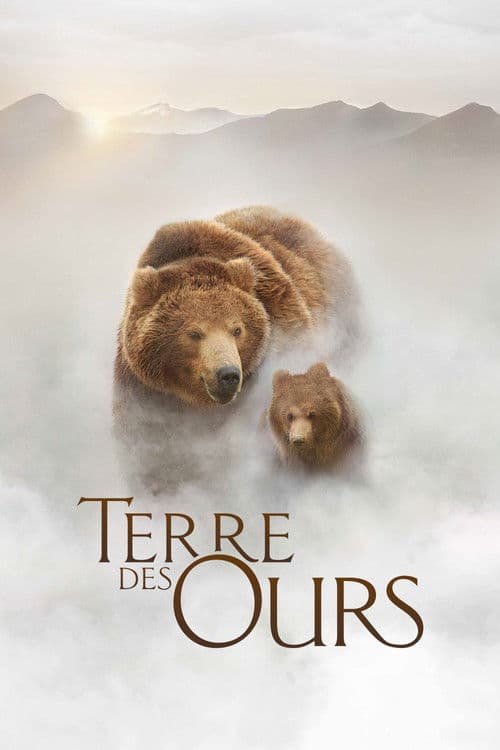
Bear Country is a contemplative and immersive wildlife documentary, filmed in the wild landscapes of Russia and Scandinavia. It follows a mother bear and her two cubs through the seasons, from the awakening of spring to preparation for hibernation. The film is primarily aimed at a family audience from school age onwards, but its slow pace and absence of comic or dramatised devices make it poorly suited to very young children.
Underlying Values
The film repeatedly illustrates the law of the strongest as an organising principle of nature: dominant bears monopolise the best fishing spots, orphaned cubs steal food from smaller ones, and conflicts between males determine access to territory. This logic is neither condemned nor glorified; it is presented as a natural fact. This is precisely where its educational value lies: the film offers a concrete opportunity to distinguish what belongs to animal nature from what belongs to human choices, without the narrative itself doing this work on behalf of the viewer. As a counterpoint, the figure of the mother bear, who deprives herself of food for her young and exposes herself to danger to protect them, introduces a form of devotion and sacrifice that nuances the picture of a purely competitive world.
Violence
The violence present in the film is exclusively natural and not staged. Fights between bears for territorial dominance are filmed without indulgence but without excessive dramatisation. The scene most likely to affect young viewers is that of a fish being skinned alive, visible struggling and bloodied: it is brief but realistic. These elements fit within a coherent documentary logic and are never gratuitous, but they do require a certain level of maturity to be received without anxiety.
Sex and Nudity
A scene shows a young male bear approaching a female bear and briefly mating with her. The sequence is short and filmed from a distance, with no suggestive staging whatsoever. It may nonetheless surprise young children and provides a natural opportunity to discuss animal reproduction.
Social Themes
The film carries an explicit ecological message about the fragility of brown bear populations and the need for their protection. This message is integrated into the narrative without being didactic or alarmist, which makes it accessible without being anxiety-inducing. It is one of the most fruitful angles for discussion after viewing.
Parental and Family Portrayals
The relationship between the mother bear and her cubs structures the entire film. The narrative shows with precision the mechanisms of transmitting survival knowledge, the mother's constant protection against predators and adult males, and then the inevitable separation when the young bears must become independent. This trajectory towards independence, presented as natural and necessary, may resonate differently depending on the age of the child watching.
Strengths
The cinematography is of remarkable quality: the Arctic and forest landscapes are filmed with a patience and precision that give the film genuine visual density. The documentary succeeds in making the complexity of bear behaviour legible without excessive anthropomorphism, which is rare in the genre. It offers an honest introduction to the cycle of wild life, to the notion of territory, and to survival mechanisms, with enough substance to nourish lasting naturalistic curiosity in a receptive child. The pace, however, is slow and may exhaust the attention of less motivated viewers beyond the first hour.
Age recommendation and discussion points
The film is not recommended for children under 5 years old, and can be watched comfortably from 7 or 8 years old for a child curious about nature. Two angles of discussion are worth opening after viewing: why do animals fight over food and territory, and do humans function in the same way? And what can we concretely do to ensure that brown bears do not disappear?
Synopsis
Set in the wilderness of the Kamchatka Peninsula, the land of legends and the kingdom of wild brown bears, we follow the daily adventures of five wild brown bears.
About this title
- Format
- Feature film
- Year
- 2014
- Runtime
- 1h 22m
- Countries
- France
- Original language
- FR
- Directed by
- Guillaume Vincent
- Main cast
- Marion Cotillard, Cécile Corbel
- Studios
- Les Films en vrac, Nature Pictures, Cameron l Pace Group, CNC, Orange Studio
Content barometer
- Violence2/5Moderate
- Fear2/5A few scenes
- Sexuality1/5Allusions
- Language0/5None
- Narrative complexity2/5Moderate
- Adult themes0/5None
Watch-outs
Values conveyed
- Courage
- Perseverance
- Autonomy
- nature
- independence
- protection