
The True Story of Puss 'n Boots
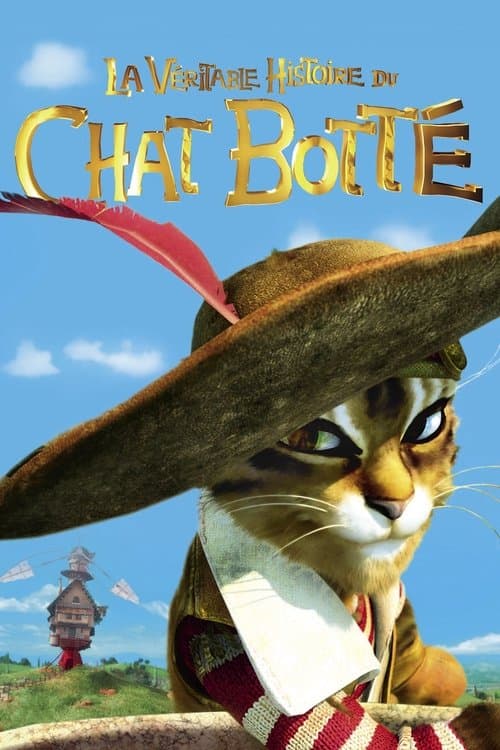
The True Story of Puss 'n Boots
Your feedback improves this guide
Your feedback highlights guides that need a second look and keeps the rating trustworthy.
Does this age rating seem accurate to you?
Sign in to vote
Watch-outs
What this film brings
Content barometer
Violence
1/5
Mild
Fear
2/5
A few scenes
Sexuality
1/5
Allusions
Language
0/5
None
Narrative complexity
1/5
Accessible
Adult themes
0/5
None
Expert review
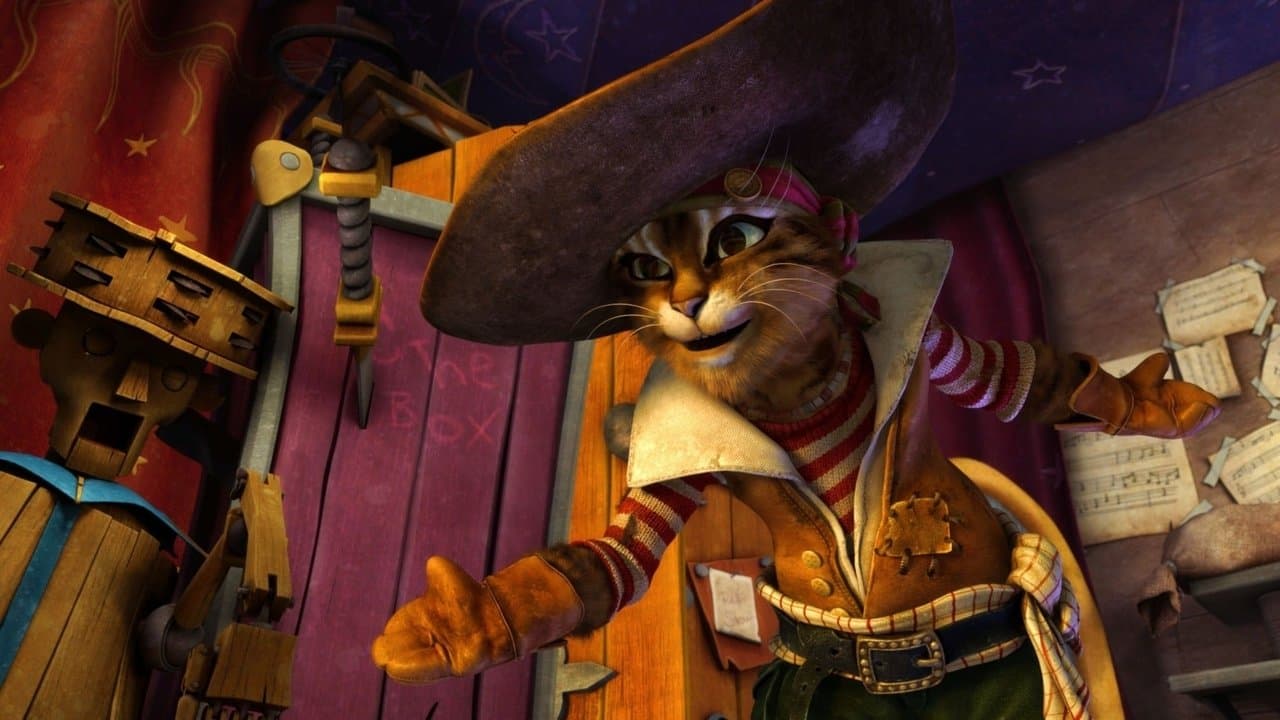
This animated take on the Puss in Boots tale is a light family adventure with a playful fairy tale mood, songs, and broad cartoon humor. Sensitive material mainly comes from the opening loss of the father, then from the presence of exaggerated villains, including a scheming chamberlain, a hunchbacked accomplice, and an ogre meant to feel threatening, along with a few chases and confrontations that stay unrealistic. The intensity is generally mild to moderate because the action is stylized and not graphic, yet some younger children may still be unsettled by the villains or by scenes where the heroes seem briefly at risk. For most children, the film is easier to enjoy from about age 6, and parents can help by explaining beforehand that this is a comic fantasy story where scary moments are short and resolved within an adventurous tone. Children who are especially sensitive to villains, family loss, or exaggerated voices and designs may benefit from watching with an adult.
Synopsis
Following the death of their miller father, his eldest son inherits the mill, the middle one a donkey, and the youngest a cat. While initially disappointed, the lad soon learns not only that the cat can talk but is quite resourceful.
Difficult scenes
The beginning of the story clearly includes the death of the miller father, which sets up the inheritance between the brothers. The moment is not realistic or graphic, yet the theme of losing a parent may raise questions or mild sadness for younger viewers. Several scenes feature strongly drawn villains, especially the chamberlain, his hunchbacked servant, and the ogre. Their look, behavior, and harmful intentions create a classic fairy tale tension that may unsettle sensitive children, even though the overall tone remains that of an animated adventure. There are also chases, threats, and moments when Little Pierre or the Cat seem to be in trouble because of the villains. These scenes are brief and stylized, with no detailed injuries, but they can still cause temporary worry for children who dislike seeing heroes trapped or endangered.
Where to watch
No verified platform for the US market yet. We keep this section updated as availability changes.
About this title
- Format
- Feature film
- Year
- 2009
- Runtime
- 1h 20m
- Countries
- Belgium, France, Switzerland
- Original language
- FR
- Directed by
- Pascal Hérold, Jérôme Deschamps, Macha Makeïeff
- Main cast
- Jérôme Deschamps, Yolande Moreau, Louise Wallon, Arthur Deschamps, Jean-Claude Bolle-Reddat
- Studios
- Herold and Family, MK2 Films, France 3 Cinéma, Nexus Factory, SAGA Production, NADEO, La Compagnie Deschamps & Makeïeff
Content barometer
Violence
1/5
Mild
Fear
2/5
A few scenes
Sexuality
1/5
Allusions
Language
0/5
None
Narrative complexity
1/5
Accessible
Adult themes
0/5
None
Expert review
This animated take on the Puss in Boots tale is a light family adventure with a playful fairy tale mood, songs, and broad cartoon humor. Sensitive material mainly comes from the opening loss of the father, then from the presence of exaggerated villains, including a scheming chamberlain, a hunchbacked accomplice, and an ogre meant to feel threatening, along with a few chases and confrontations that stay unrealistic. The intensity is generally mild to moderate because the action is stylized and not graphic, yet some younger children may still be unsettled by the villains or by scenes where the heroes seem briefly at risk. For most children, the film is easier to enjoy from about age 6, and parents can help by explaining beforehand that this is a comic fantasy story where scary moments are short and resolved within an adventurous tone. Children who are especially sensitive to villains, family loss, or exaggerated voices and designs may benefit from watching with an adult.
Synopsis
Following the death of their miller father, his eldest son inherits the mill, the middle one a donkey, and the youngest a cat. While initially disappointed, the lad soon learns not only that the cat can talk but is quite resourceful.
Difficult scenes
The beginning of the story clearly includes the death of the miller father, which sets up the inheritance between the brothers. The moment is not realistic or graphic, yet the theme of losing a parent may raise questions or mild sadness for younger viewers. Several scenes feature strongly drawn villains, especially the chamberlain, his hunchbacked servant, and the ogre. Their look, behavior, and harmful intentions create a classic fairy tale tension that may unsettle sensitive children, even though the overall tone remains that of an animated adventure. There are also chases, threats, and moments when Little Pierre or the Cat seem to be in trouble because of the villains. These scenes are brief and stylized, with no detailed injuries, but they can still cause temporary worry for children who dislike seeing heroes trapped or endangered.