
Stormy Night
あらしのよるに
Stormy Night
あらしのよるに
Your feedback improves this guide
Your feedback highlights guides that need a second look and keeps the rating trustworthy.
Does this age rating seem accurate to you?
Sign in to vote
Watch-outs
What this film brings
Content barometer
Violence
2/5
Moderate
Fear
2/5
A few scenes
Sexuality
0/5
None
Language
0/5
None
Narrative complexity
3/5
Complex
Adult themes
0/5
None
Expert review
This family animated film follows the secret friendship between a wolf and a goat in a natural adventure setting, with a gentle overall tone that is regularly crossed by real tension because they are supposed to be natural enemies. The sensitive material mostly comes from predator and prey danger, chase situations, the fear of being discovered, and sadness linked to rejection by their groups and the wolf's inner struggle with his instincts. The intensity stays moderate and stylized, with no graphic violence or adult content, but several scenes may unsettle sensitive children because the threat feels clear and emotionally meaningful. The film will often work from age 8 for children already comfortable with animated adventure stories, while younger or more sensitive viewers may need an adult beside them because the suspense depends on possible separation and danger. Parents can support viewing by framing the story as one about friendship across differences, prejudice, self control, and talking afterward about how the characters handle fear and loyalty.
Synopsis
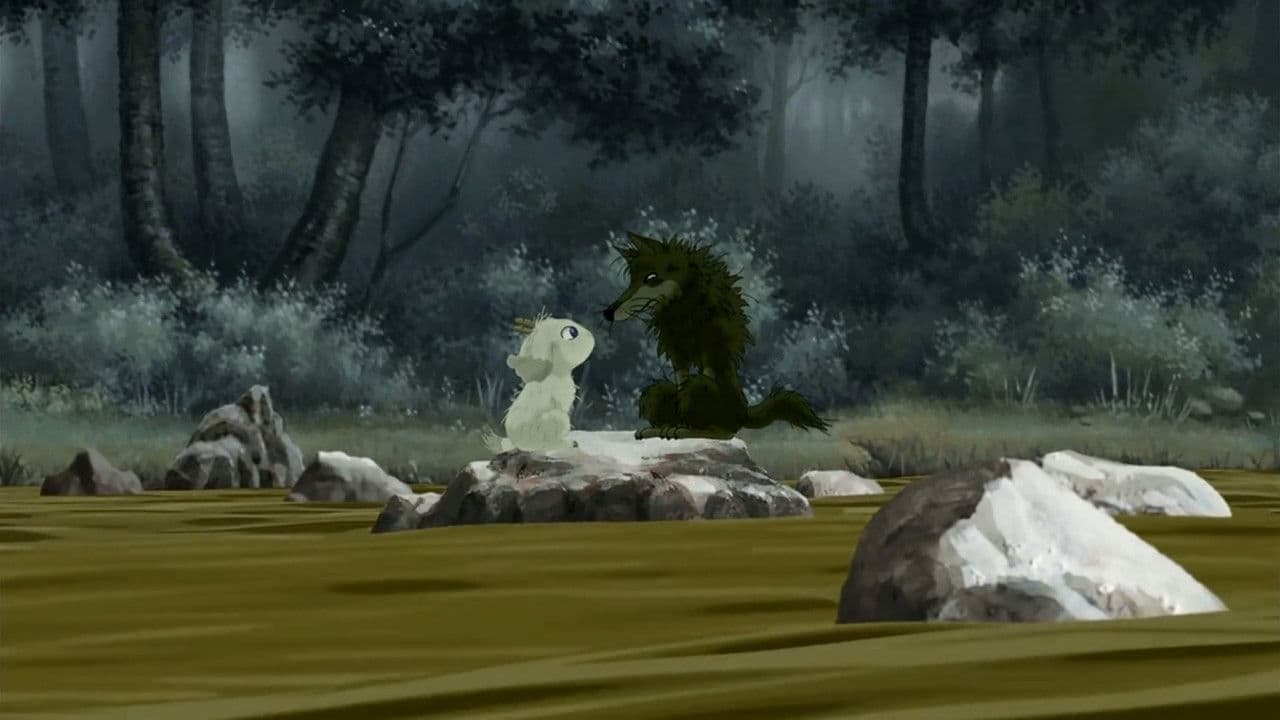
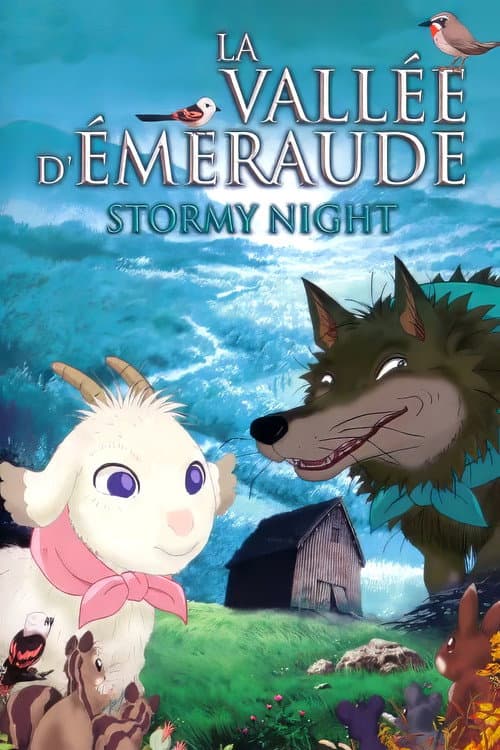
After hiding together in an abandoned barn one stormy night, wolf Gabu and goat Mei pledge to be secret friends, despite being natural enemies. They must overcome hardship and persecution in hopes of finding another forest where they can be together in peace.
Difficult scenes
The first meeting happens on a stormy night in a setting shaped by fear and uncertainty. The darkness, the sounds outside, and the fact that the two characters belong to enemy species create meaningful suspense, even though the scene stays suitable for children. Several scenes focus on the wolf's inner conflict as he tries to remain the goat's friend while struggling with his predator instinct. This can unsettle sensitive viewers because the danger does not only come from outside threats, it also comes from a character who is otherwise sympathetic and caring. Once their secret friendship is discovered, the reactions of the pack and the herd become hostile and place strong emotional pressure on both friends. These scenes of exclusion, pursuit, and possible separation are more sad than frightening, but they may affect children who are especially sensitive to unfairness or rejection. The story also includes moments of escape and threat in the wilderness, built around the idea that one animal may hunt another. The presentation remains restrained and non graphic, yet the predator and prey dynamic is central to the story and may lead younger children to ask questions about hunger, natural violence, and trust.
Where to watch
No verified platform for the US market yet. We keep this section updated as availability changes.
About this title
- Format
- Feature film
- Year
- 2005
- Runtime
- 1h 50m
- Countries
- Japan
- Original language
- JA
- Directed by
- Gisaburō Sugii
- Main cast
- Shido Nakamura, Hiroki Narimiya, Riki Takeuchi, Koichi Yamadera, Hayashiya Shōzō IX, Eiji Bandō, Tetsuya Yanagihara, Yoshiyuki Hirai, Maya Kobayashi
- Studios
- Shogakukan, Sedic International, TOHO, MBS, Hakuhodo DY Media Partners, TBS
Content barometer
Violence
2/5
Moderate
Fear
2/5
A few scenes
Sexuality
0/5
None
Language
0/5
None
Narrative complexity
3/5
Complex
Adult themes
0/5
None
Expert review
This family animated film follows the secret friendship between a wolf and a goat in a natural adventure setting, with a gentle overall tone that is regularly crossed by real tension because they are supposed to be natural enemies. The sensitive material mostly comes from predator and prey danger, chase situations, the fear of being discovered, and sadness linked to rejection by their groups and the wolf's inner struggle with his instincts. The intensity stays moderate and stylized, with no graphic violence or adult content, but several scenes may unsettle sensitive children because the threat feels clear and emotionally meaningful. The film will often work from age 8 for children already comfortable with animated adventure stories, while younger or more sensitive viewers may need an adult beside them because the suspense depends on possible separation and danger. Parents can support viewing by framing the story as one about friendship across differences, prejudice, self control, and talking afterward about how the characters handle fear and loyalty.
Synopsis
After hiding together in an abandoned barn one stormy night, wolf Gabu and goat Mei pledge to be secret friends, despite being natural enemies. They must overcome hardship and persecution in hopes of finding another forest where they can be together in peace.
Difficult scenes
The first meeting happens on a stormy night in a setting shaped by fear and uncertainty. The darkness, the sounds outside, and the fact that the two characters belong to enemy species create meaningful suspense, even though the scene stays suitable for children. Several scenes focus on the wolf's inner conflict as he tries to remain the goat's friend while struggling with his predator instinct. This can unsettle sensitive viewers because the danger does not only come from outside threats, it also comes from a character who is otherwise sympathetic and caring. Once their secret friendship is discovered, the reactions of the pack and the herd become hostile and place strong emotional pressure on both friends. These scenes of exclusion, pursuit, and possible separation are more sad than frightening, but they may affect children who are especially sensitive to unfairness or rejection. The story also includes moments of escape and threat in the wilderness, built around the idea that one animal may hunt another. The presentation remains restrained and non graphic, yet the predator and prey dynamic is central to the story and may lead younger children to ask questions about hunger, natural violence, and trust.