The Theory of Evolution
進化論
The Theory of Evolution
進化論
Your feedback improves this guide
Your feedback highlights guides that need a second look and keeps the rating trustworthy.
Does this age rating seem accurate to you?
Sign in to vote
What this film brings
Content barometer
Violence
0/5
None
Fear
0/5
None
Sexuality
0/5
None
Language
0/5
None
Narrative complexity
0/5
Simple
Adult themes
0/5
None
Expert review
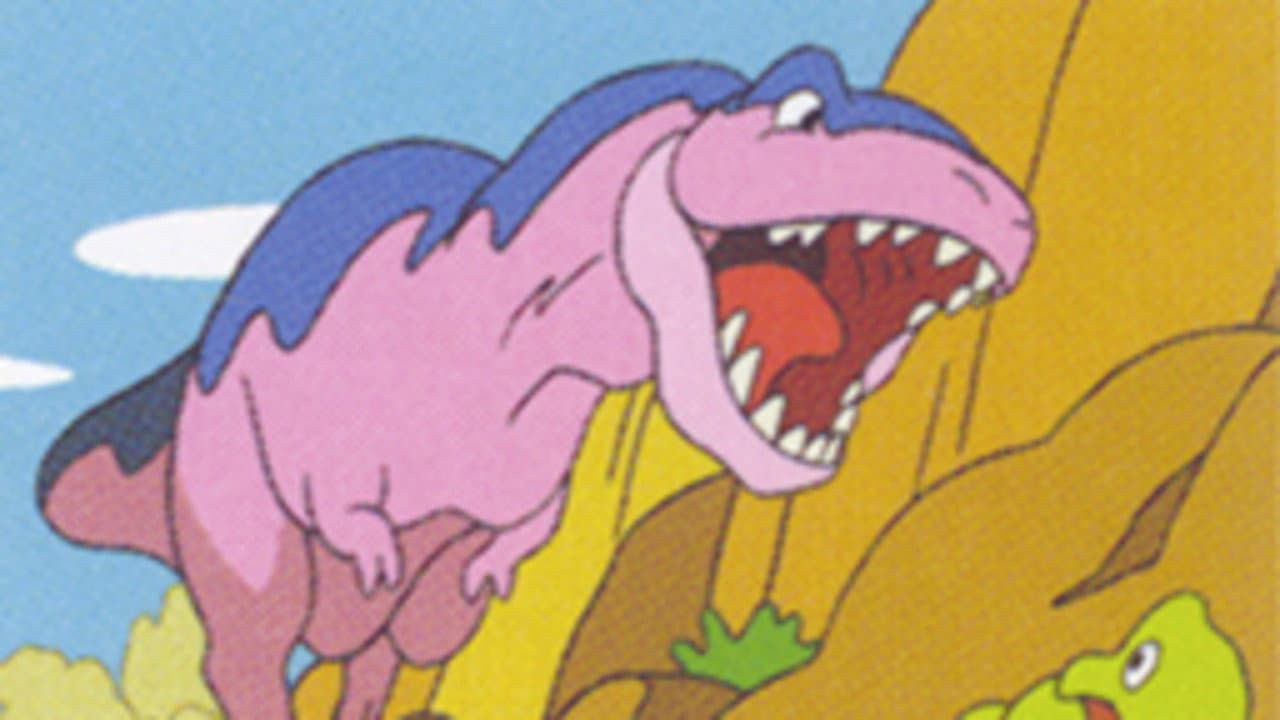
This very short Japanese animated film offers a visual journey through the evolution of life, using a fluid, colorful style that feels more playful and poetic than dramatic. Sensitive content is almost nonexistent, although children do see rapid transformations of living creatures, some sudden movement, and a very simplified suggestion of survival in nature. The intensity stays extremely low throughout, with no meaningful violence, no sustained fear, no problematic language, and no identifiable adult content. For most children, the main challenge is not distress but the speed of the imagery and the abstract concept, which may confuse very young viewers more than it upsets them. Parents can make the viewing more engaging by explaining that this is an imaginative animated look at how living things change over time, then answering simple questions about animals, people, and nature.
Synopsis
The story of evolution, from the first aquatic organisms to modern man (and woman).
Difficult scenes
The film moves quickly from aquatic creatures to animals and then to human figures, with constant visual transformation in front of the viewer. This steady stream of change may feel surprising to a very sensitive young child, even though the overall presentation remains gentle and nonthreatening. Some stages of evolution suggest a natural world in constant motion, where living beings progress, struggle, or give way to others. Nothing is shown harshly, yet a parent may still want to explain that these images are a highly stylized summary of big scientific ideas.
Where to watch
No verified platform for the US market yet. We keep this section updated as availability changes.
Availability checked on Apr 01, 2026
About this title
- Format
- Short film
- Year
- 2008
- Runtime
- 3m
- Countries
- Japan
- Original language
- JA
- Directed by
- Hiromasa Yonebayashi
- Studios
- Studio Ghibli
Content barometer
Violence
0/5
None
Fear
0/5
None
Sexuality
0/5
None
Language
0/5
None
Narrative complexity
0/5
Simple
Adult themes
0/5
None
Expert review
This very short Japanese animated film offers a visual journey through the evolution of life, using a fluid, colorful style that feels more playful and poetic than dramatic. Sensitive content is almost nonexistent, although children do see rapid transformations of living creatures, some sudden movement, and a very simplified suggestion of survival in nature. The intensity stays extremely low throughout, with no meaningful violence, no sustained fear, no problematic language, and no identifiable adult content. For most children, the main challenge is not distress but the speed of the imagery and the abstract concept, which may confuse very young viewers more than it upsets them. Parents can make the viewing more engaging by explaining that this is an imaginative animated look at how living things change over time, then answering simple questions about animals, people, and nature.
Synopsis
The story of evolution, from the first aquatic organisms to modern man (and woman).
Difficult scenes
The film moves quickly from aquatic creatures to animals and then to human figures, with constant visual transformation in front of the viewer. This steady stream of change may feel surprising to a very sensitive young child, even though the overall presentation remains gentle and nonthreatening. Some stages of evolution suggest a natural world in constant motion, where living beings progress, struggle, or give way to others. Nothing is shown harshly, yet a parent may still want to explain that these images are a highly stylized summary of big scientific ideas.