The White Planet
La planète blanche
The White Planet
La planète blanche
Your feedback improves this guide
Your feedback highlights guides that need a second look and keeps the rating trustworthy.
Does this age rating seem accurate to you?
Sign in to vote
Watch-outs
What this film brings
Content barometer
Violence
2/5
Moderate
Fear
2/5
A few scenes
Sexuality
0/5
None
Language
0/5
None
Narrative complexity
1/5
Accessible
Adult themes
0/5
None
Expert review
This wildlife documentary follows Arctic animals over the course of a year, with a majestic, realistic atmosphere that can also feel harsh. The sensitive material mostly comes from nature itself, including animal danger, predator confrontations, possible separation, and an ongoing sense of survival in extreme cold. The intensity is moderate because the film favors lyrical observation over shock, yet some scenes of hunting, threat, or vulnerability may unsettle younger viewers, especially because the realism makes them feel more immediate. There is no sexual content, no meaningful language concern, and no substance use. For parents, this works well as a shared viewing choice once a child can understand that a documentary shows real animal life, and it helps to stay available if your child is troubled by animal peril or the idea of death in the wild.
Synopsis
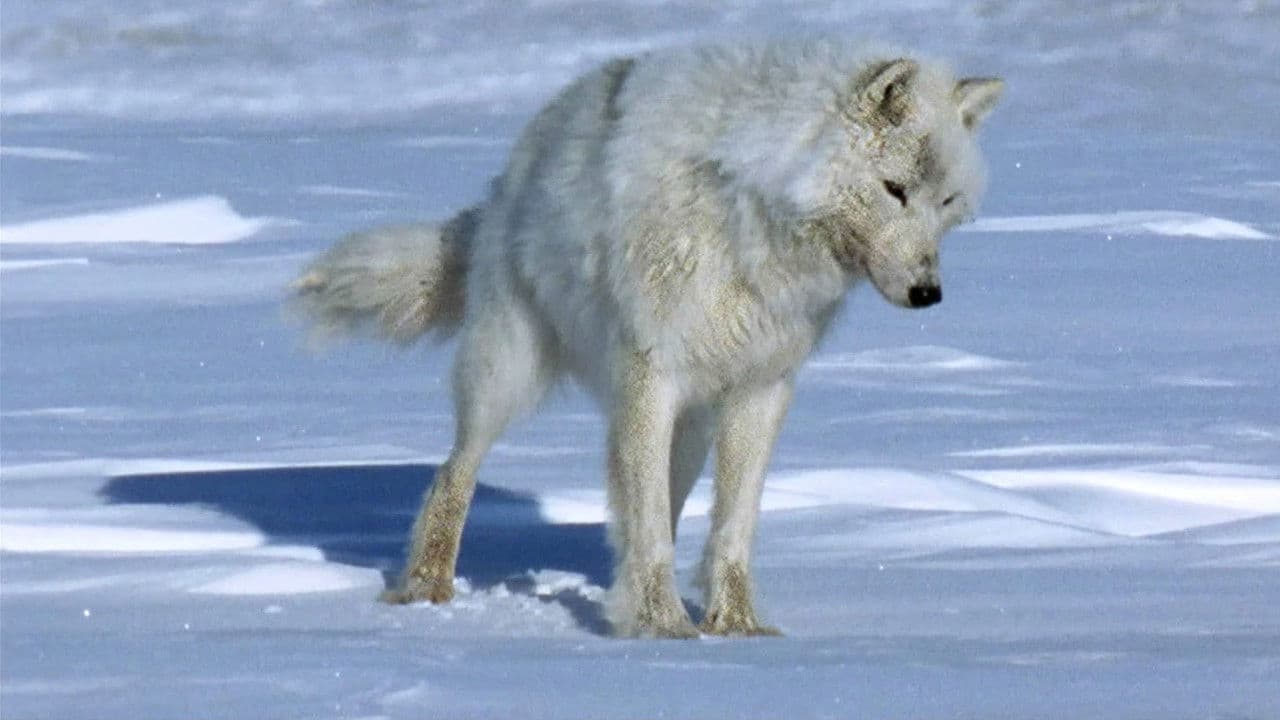
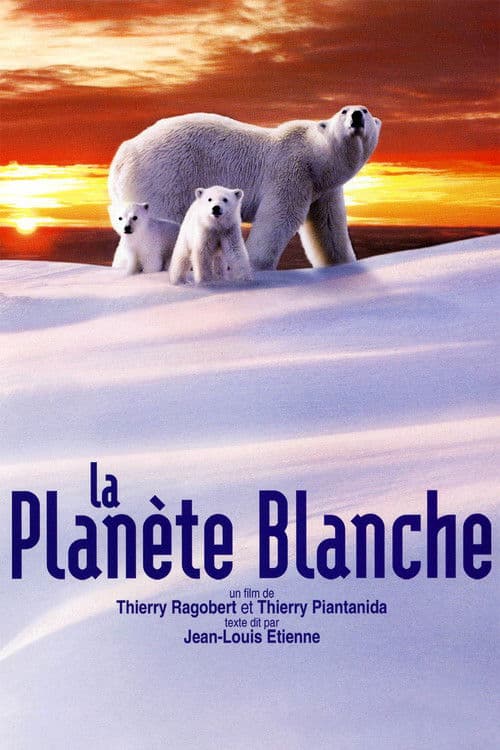
The White Planet or in French, La Planète Blanche, is a 2006 documentary about the wildlife of the Arctic. It shows interactions between marine animals, birds and land animals, especially the polar bear, over a one year period. The fragility of the Arctic is hinted at as a reason to prevent climate change. It was nominated for the Documentary category in the 27th Genie Awards in 2007.
Difficult scenes
Several sequences show polar bears or other animals in hunting situations or territorial confrontations. The imagery is not designed to be horrific, yet a young child may feel tense when one animal chases another with a believable risk of injury or death. Breaking ice, blizzard conditions, and the vast frozen landscape sometimes create an impressive and slightly intimidating atmosphere. Even without monsters or human villains, this powerful natural setting may cause worry in sensitive children, especially when the animals seem isolated or vulnerable against the elements. The film emphasizes the hardships of survival, with animals struggling to find food, move safely, or protect their young. That constant sense of fragility may lead children to ask about animal death and about the fact that not every creature survives in the wild.
Where to watch
No verified platform for the US market yet. We keep this section updated as availability changes.
About this title
- Format
- Feature film
- Year
- 2006
- Runtime
- 1h 26m
- Countries
- Canada, France
- Original language
- FR
- Directed by
- Thierry Piantanida, Jean Lemire, Thierry Ragobert
- Main cast
- Jean-Louis Étienne
- Studios
- Gedeon Programmes, Bac Films, France 2 Cinéma, Glacialis Productions, ONF | NFB
Content barometer
Violence
2/5
Moderate
Fear
2/5
A few scenes
Sexuality
0/5
None
Language
0/5
None
Narrative complexity
1/5
Accessible
Adult themes
0/5
None
Expert review
This wildlife documentary follows Arctic animals over the course of a year, with a majestic, realistic atmosphere that can also feel harsh. The sensitive material mostly comes from nature itself, including animal danger, predator confrontations, possible separation, and an ongoing sense of survival in extreme cold. The intensity is moderate because the film favors lyrical observation over shock, yet some scenes of hunting, threat, or vulnerability may unsettle younger viewers, especially because the realism makes them feel more immediate. There is no sexual content, no meaningful language concern, and no substance use. For parents, this works well as a shared viewing choice once a child can understand that a documentary shows real animal life, and it helps to stay available if your child is troubled by animal peril or the idea of death in the wild.
Synopsis
The White Planet or in French, La Planète Blanche, is a 2006 documentary about the wildlife of the Arctic. It shows interactions between marine animals, birds and land animals, especially the polar bear, over a one year period. The fragility of the Arctic is hinted at as a reason to prevent climate change. It was nominated for the Documentary category in the 27th Genie Awards in 2007.
Difficult scenes
Several sequences show polar bears or other animals in hunting situations or territorial confrontations. The imagery is not designed to be horrific, yet a young child may feel tense when one animal chases another with a believable risk of injury or death. Breaking ice, blizzard conditions, and the vast frozen landscape sometimes create an impressive and slightly intimidating atmosphere. Even without monsters or human villains, this powerful natural setting may cause worry in sensitive children, especially when the animals seem isolated or vulnerable against the elements. The film emphasizes the hardships of survival, with animals struggling to find food, move safely, or protect their young. That constant sense of fragility may lead children to ask about animal death and about the fact that not every creature survives in the wild.