
The Little Mermaid
The Little Mermaid
Your feedback improves this guide
Your feedback highlights guides that need a second look and keeps the rating trustworthy.
Does this age rating seem accurate to you?
Sign in to vote
Watch-outs
What this film brings
Content barometer
Violence
2/5
Moderate
Fear
2/5
A few scenes
Sexuality
1/5
Allusions
Language
0/5
None
Narrative complexity
1/5
Accessible
Adult themes
0/5
None
Expert review
The Little Mermaid is a bright musical fantasy with a warm romantic adventure tone, and it is broadly suitable for children. The main sensitive material comes from a clearly threatening villain, repeated moments of peril at sea, a painful scene in which treasured belongings are deliberately destroyed, and sadness when Ariel loses her voice and feels cut off from her world. The intensity is moderate and highly stylized, with no graphic injury or harsh realism, yet some dark underwater scenes, Ursula's presence, and the final confrontation may still unsettle very young or sensitive viewers. The romance is innocent, centered on longing, affection, and a few kisses, with no explicit sexual content. A child as young as 4 may follow the story, but the suspense and emotional beats are likely to land better a little later. Watching together gives parents a chance to reassure during scary scenes and to talk afterward about curiosity, choices, and parent child conflict.
Synopsis
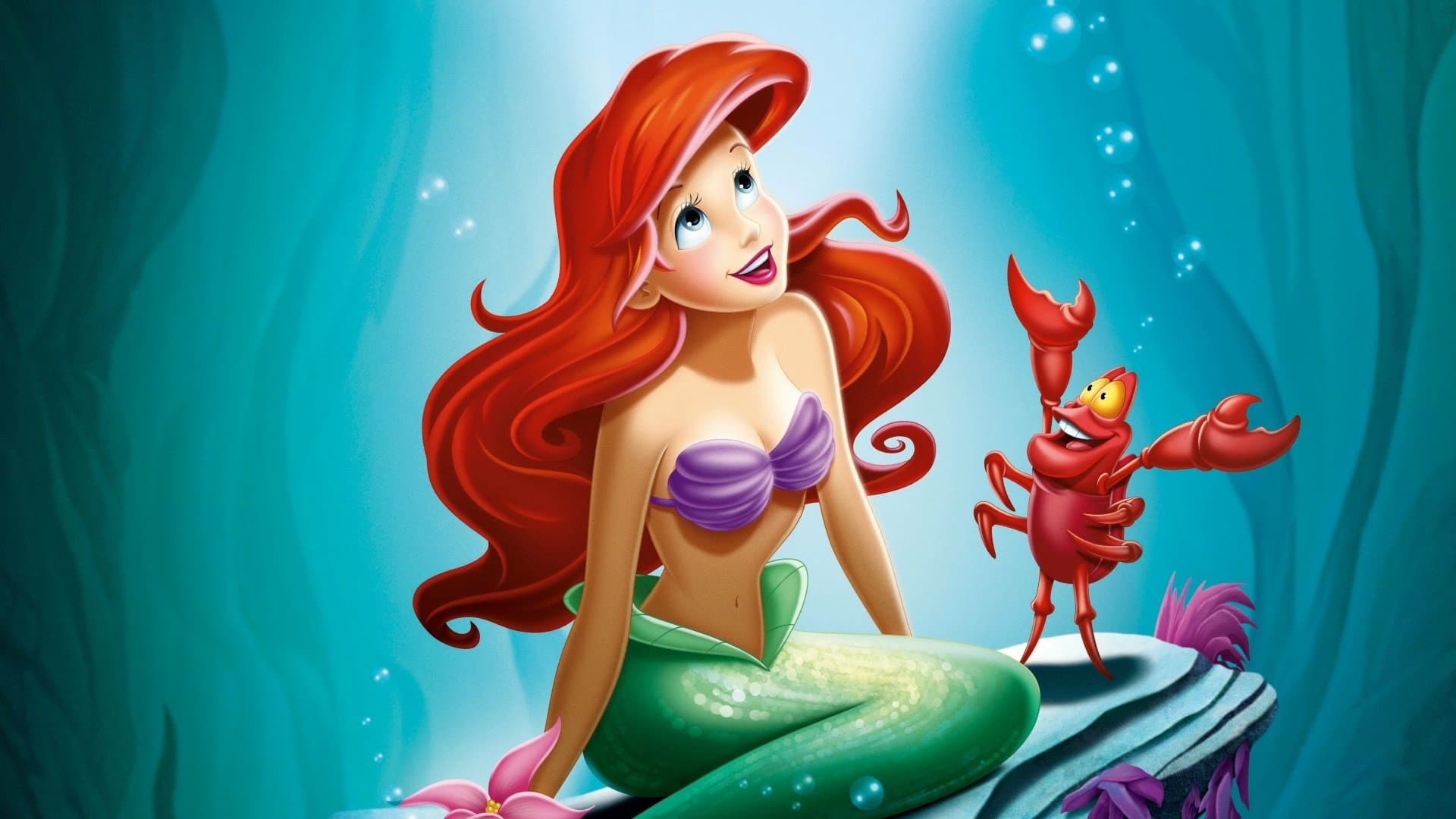
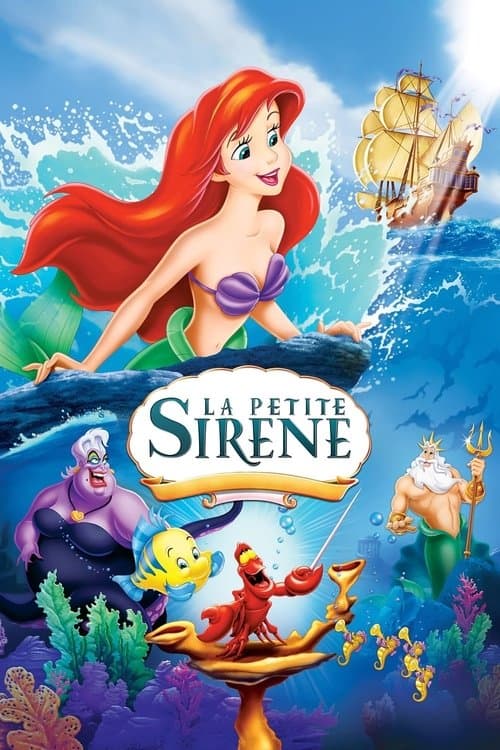
This colorful adventure tells the story of an impetuous mermaid princess named Ariel who falls in love with the very human Prince Eric and puts everything on the line for the chance to be with him. Memorable songs and characters -- including the villainous sea witch Ursula.
Difficult scenes
The first clearly sensitive scene comes during the storm at sea. The ship is hit by huge waves, fire breaks out, the prince is thrown overboard, and Ariel has to rescue him while he appears to be in real danger of dying. For a young child, this sequence can feel intense because of the noise, visual chaos, and fear of drowning. The confrontation between Ariel and her father can be emotionally strong for children because it mixes parental anger with visible heartbreak. Triton discovers Ariel's interest in the human world and then violently destroys her treasured collection, leaving her devastated. There is no direct injury to a person, yet the moment can still feel upsetting as an act of emotional harm and loss. The scenes involving Ursula are the scariest parts of the film. The sea witch has a sinister presence, manipulates Ariel into giving something up, traps her voice in a shell, and is surrounded by a dark atmosphere and two unsettling eels. Even without graphic imagery, this mix of magic, deception, and menace may frighten a sensitive child. Later, the story creates sustained emotional frustration when Ariel has lost her voice and tries to connect with Eric without being able to tell him who she is. A magical false identity complicates matters, which can be confusing or upsetting for younger viewers who react strongly to unfair misunderstandings. The tension remains family friendly, but it lasts for a meaningful stretch of the story. Before the ending, an underwater confrontation becomes more intense, involving kidnapping, magical transformation, and direct danger for Ariel and her father. The villain appears more powerful and the staging grows darker and louder, creating a stronger sense of threat than in the rest of the film. This is usually the section most likely to need adult reassurance for younger children.
Where to watch
No verified platform for the US market yet. We keep this section updated as availability changes.
Availability checked on Apr 01, 2026
About this title
- Format
- Feature film
- Year
- 1989
- Runtime
- 1h 23m
- Countries
- United States of America
- Original language
- EN
- Studios
- Silver Screen Partners IV, Walt Disney Feature Animation
Content barometer
Violence
2/5
Moderate
Fear
2/5
A few scenes
Sexuality
1/5
Allusions
Language
0/5
None
Narrative complexity
1/5
Accessible
Adult themes
0/5
None
Expert review
The Little Mermaid is a bright musical fantasy with a warm romantic adventure tone, and it is broadly suitable for children. The main sensitive material comes from a clearly threatening villain, repeated moments of peril at sea, a painful scene in which treasured belongings are deliberately destroyed, and sadness when Ariel loses her voice and feels cut off from her world. The intensity is moderate and highly stylized, with no graphic injury or harsh realism, yet some dark underwater scenes, Ursula's presence, and the final confrontation may still unsettle very young or sensitive viewers. The romance is innocent, centered on longing, affection, and a few kisses, with no explicit sexual content. A child as young as 4 may follow the story, but the suspense and emotional beats are likely to land better a little later. Watching together gives parents a chance to reassure during scary scenes and to talk afterward about curiosity, choices, and parent child conflict.
Synopsis
This colorful adventure tells the story of an impetuous mermaid princess named Ariel who falls in love with the very human Prince Eric and puts everything on the line for the chance to be with him. Memorable songs and characters -- including the villainous sea witch Ursula.
Difficult scenes
The first clearly sensitive scene comes during the storm at sea. The ship is hit by huge waves, fire breaks out, the prince is thrown overboard, and Ariel has to rescue him while he appears to be in real danger of dying. For a young child, this sequence can feel intense because of the noise, visual chaos, and fear of drowning. The confrontation between Ariel and her father can be emotionally strong for children because it mixes parental anger with visible heartbreak. Triton discovers Ariel's interest in the human world and then violently destroys her treasured collection, leaving her devastated. There is no direct injury to a person, yet the moment can still feel upsetting as an act of emotional harm and loss. The scenes involving Ursula are the scariest parts of the film. The sea witch has a sinister presence, manipulates Ariel into giving something up, traps her voice in a shell, and is surrounded by a dark atmosphere and two unsettling eels. Even without graphic imagery, this mix of magic, deception, and menace may frighten a sensitive child. Later, the story creates sustained emotional frustration when Ariel has lost her voice and tries to connect with Eric without being able to tell him who she is. A magical false identity complicates matters, which can be confusing or upsetting for younger viewers who react strongly to unfair misunderstandings. The tension remains family friendly, but it lasts for a meaningful stretch of the story. Before the ending, an underwater confrontation becomes more intense, involving kidnapping, magical transformation, and direct danger for Ariel and her father. The villain appears more powerful and the staging grows darker and louder, creating a stronger sense of threat than in the rest of the film. This is usually the section most likely to need adult reassurance for younger children.