La luna
Does this age rating seem accurate to you?
Detailed parental analysis
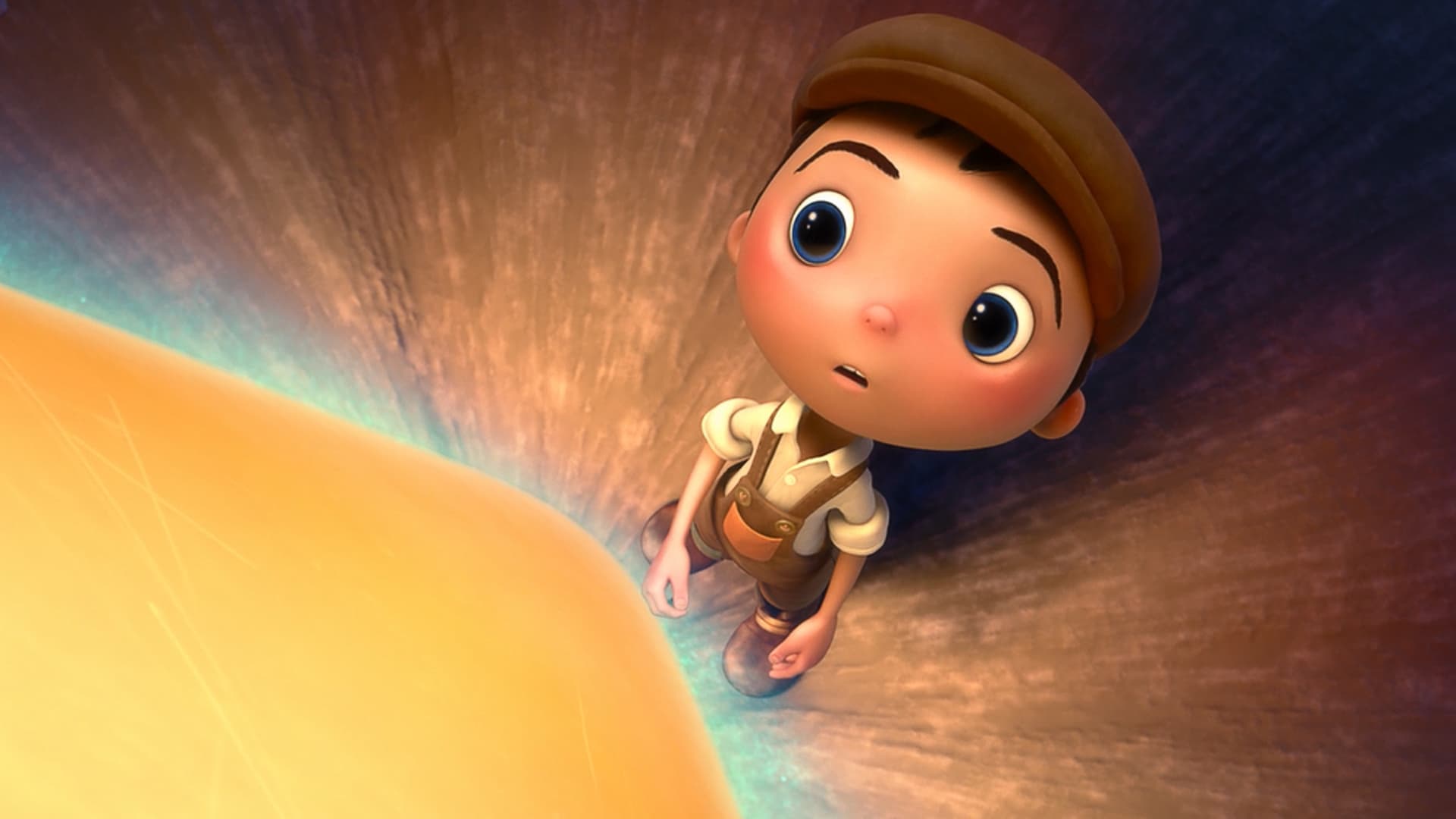
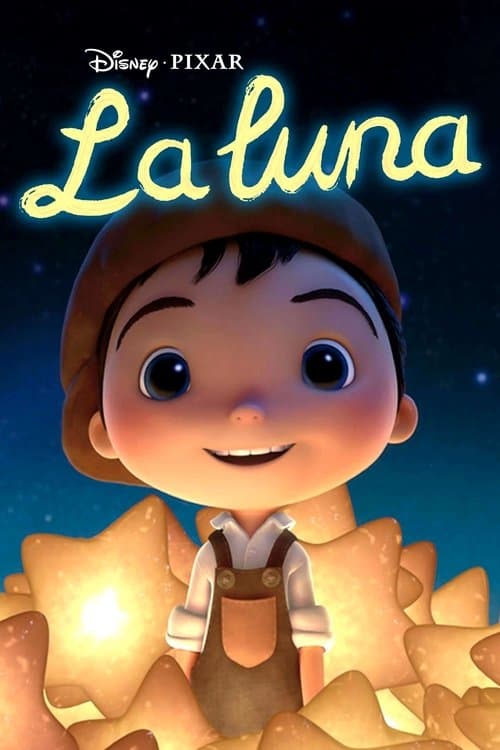
La Luna is a contemplative, poetic and silent animated short film, steeped in a soft and dreamlike atmosphere. The story follows a young boy who sets out for the first time in a boat with his father and grandfather to carry out mysterious nocturnal work on the moon. The film is produced by Pixar and is primarily aimed at young children, but its emotional and symbolic dimension touches adults with equal sincerity.
Underlying Values
The narrative carefully constructs a tension between inherited tradition and personal path. The father and grandfather each embody a way of doing things, which they impose on the boy in turn without at first giving him any room to manoeuvre. The film rewards the child who dares to find his own method, without rejecting the old ways: the three generations end up working together. This is an elegant way of illustrating that family heritage can be received, transformed and enriched rather than endured or refused. Manual work and perseverance are valued without discourse, through action alone.
Parental and Family Portrayals
The dynamic between the two adults and the child is the heart of the film. The father and grandfather are benevolent but rivals in their way of raising the child, each wanting to make the child an extension of themselves. This affectionate competition, never malicious, gives the boy the space to assert himself. The family model is warm and transmissive, without an absent or failing parental figure. This is precisely a solid foundation for talking with a child about what it means to grow up among adults who have expectations of him.
Social Themes
Without explicit discourse, the film addresses the question of intergenerational transmission and the relationship between innovation and tradition. The metaphor of work on the moon, repetitive and collective, discreetly evokes the relationship to cultural heritage and the usefulness of each person in a chain that precedes them. It is a minor but real subject in the narrative structure.
Strengths
La Luna is an exercise in visual storytelling almost entirely without words, where everything passes through gesture, light and rhythm. The command of narrative silence is remarkable for a film intended for young children: no explanation is given, the viewer is invited to feel before understanding. The central metaphor, poetic and accessible at once, allows different readings depending on the viewer's age, which is rare. On an emotional level, the film is capable of moving adults without ever manipulating them, which gives it an honesty that is uncommon in the genre.
Age recommendation and discussion points
The film is suitable from age 3 or 4 for accompanied viewing, and fully accessible from age 5 for independent watching. Two natural discussion angles after the film: ask the child how he found his own way of doing something that his parents had shown him differently, and ask him what he thinks about the fact that the boy chooses his own path while remaining close to his family.
Synopsis
A young boy comes of age in the most peculiar of circumstances. Tonight is the very first time his Papa and Grandpa are taking him to work. In an old wooden boat they row far out to sea, and with no land in sight, they stop and wait. A big surprise awaits the boy as he discovers his family's most unusual line of work. Should he follow the example of his Papa, or his Grandpa? Will he be able to find his own way in the midst of their conflicting opinions and timeworn traditions?
Where to watch
Availability checked on Apr 26, 2026
About this title
- Format
- Short film
- Year
- 2012
- Runtime
- 7m
- Countries
- United States of America
- Original language
- EN
- Directed by
- Enrico Casarosa
- Main cast
- Tony Fucile, Krista Sheffler, Phil Sheridan
- Studios
- Pixar
Content barometer
- Violence0/5None
- Fear1/5Mild
- Sexuality0/5None
- Language0/5None
- Narrative complexity0/5Simple
- Adult themes0/5None
Values conveyed
- Perseverance
- Autonomy
- independence
- tradition
- creativity
- family