
The Christmas Letter
The Christmas Letter
Your feedback improves this guide
Your feedback highlights guides that need a second look and keeps the rating trustworthy.
Does this age rating seem accurate to you?
Sign in to vote
Watch-outs
What this film brings
Content barometer
Violence
0/5
None
Fear
1/5
Mild
Sexuality
0/5
None
Language
0/5
None
Narrative complexity
0/5
Simple
Adult themes
0/5
None
Expert review
This Christmas animated short follows a very enthusiastic young boy who tries to spread joy around him, with an overall warm, gentle and reassuring tone. The sensitive material mostly involves sadness, loneliness in an elderly character, and a mildly melancholy mood when the child meets an adult who seems cold and unreceptive. The intensity is low, with no meaningful violence, no sexual content, and little to no harsh language, though very young viewers may still react to the idea of an adult rejecting kindness or festive cheer. For most children, it should be approachable from early school age, especially with a parent nearby to explain that grumpiness can sometimes hide emotional pain. If your child is especially sensitive to stern adults or stories about loneliness, a short conversation afterward can help reinforce the film's messages about empathy, persistence and caring across generations.
Synopsis
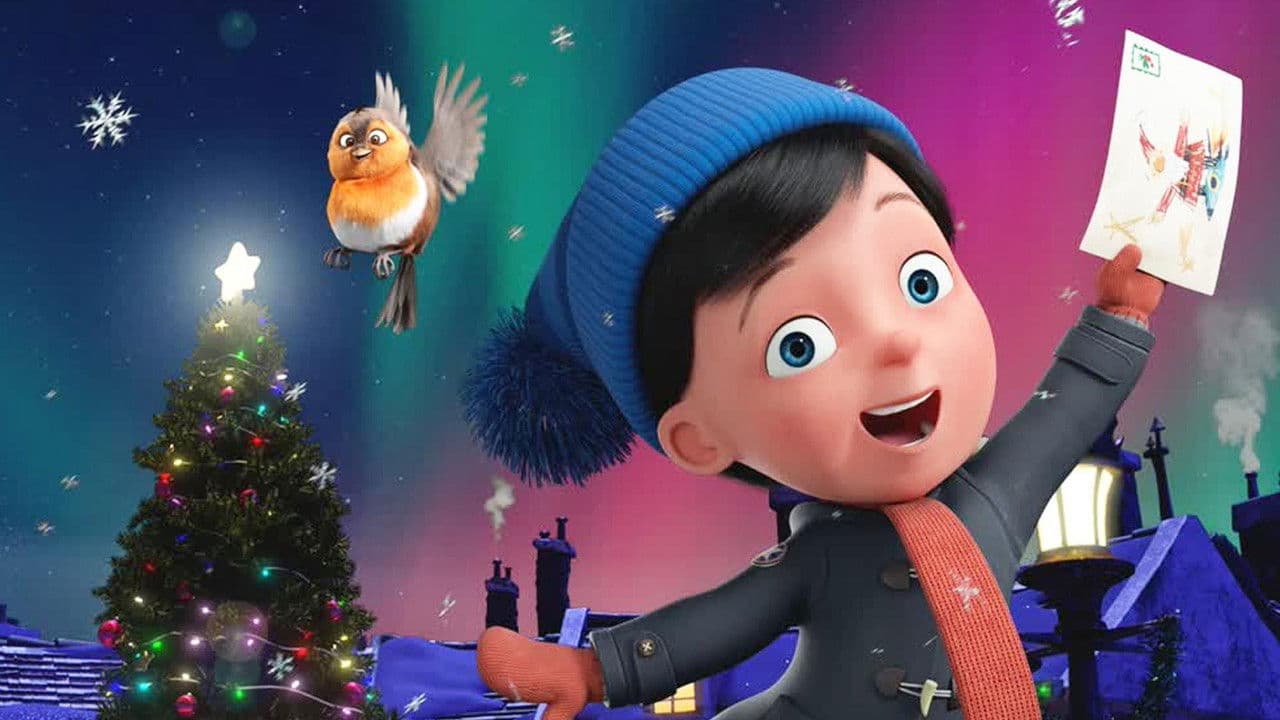
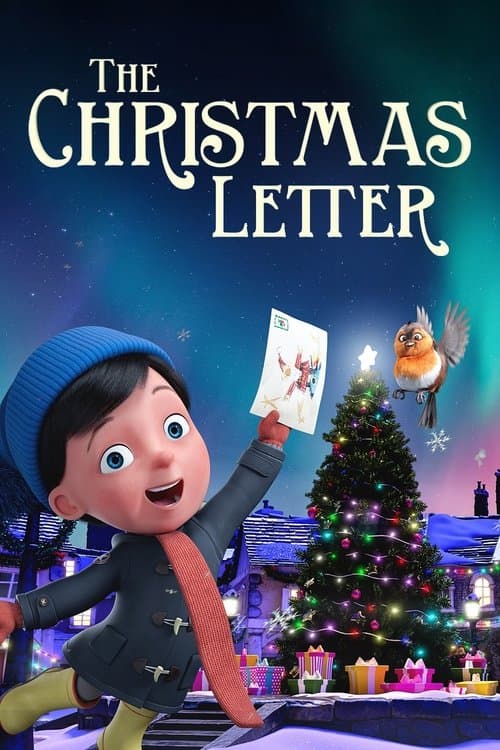
Christmas-mad kid Henry tries to bring some much-needed cheer into a lonely old lady’s life in this touching festive animation narrated by Kate Winslet.
Difficult scenes
Henry puts a great deal of energy into spreading Christmas cheer, then comes up against Miss Broom, a lonely older woman who reacts coldly to his excitement. That contrast may unsettle younger children, especially those who are sensitive to stern adults or emotional rejection. The story makes it clear that there is older sadness behind Miss Broom's withdrawn behavior. Even though it is handled gently, the themes of loneliness and hidden hurt may lead children to ask questions about loss, isolation, or why some people become harsh when they are unhappy.
Where to watch
No verified platform for the US market yet. We keep this section updated as availability changes.
Availability checked on Apr 01, 2026
About this title
- Format
- Short film
- Year
- 2019
- Runtime
- 26m
- Countries
- Ireland
- Original language
- EN
Content barometer
Violence
0/5
None
Fear
1/5
Mild
Sexuality
0/5
None
Language
0/5
None
Narrative complexity
0/5
Simple
Adult themes
0/5
None
Expert review
This Christmas animated short follows a very enthusiastic young boy who tries to spread joy around him, with an overall warm, gentle and reassuring tone. The sensitive material mostly involves sadness, loneliness in an elderly character, and a mildly melancholy mood when the child meets an adult who seems cold and unreceptive. The intensity is low, with no meaningful violence, no sexual content, and little to no harsh language, though very young viewers may still react to the idea of an adult rejecting kindness or festive cheer. For most children, it should be approachable from early school age, especially with a parent nearby to explain that grumpiness can sometimes hide emotional pain. If your child is especially sensitive to stern adults or stories about loneliness, a short conversation afterward can help reinforce the film's messages about empathy, persistence and caring across generations.
Synopsis
Christmas-mad kid Henry tries to bring some much-needed cheer into a lonely old lady’s life in this touching festive animation narrated by Kate Winslet.
Difficult scenes
Henry puts a great deal of energy into spreading Christmas cheer, then comes up against Miss Broom, a lonely older woman who reacts coldly to his excitement. That contrast may unsettle younger children, especially those who are sensitive to stern adults or emotional rejection. The story makes it clear that there is older sadness behind Miss Broom's withdrawn behavior. Even though it is handled gently, the themes of loneliness and hidden hurt may lead children to ask questions about loss, isolation, or why some people become harsh when they are unhappy.