
The Eagle Huntress
The Eagle Huntress
Your feedback improves this guide
Your feedback highlights guides that need a second look and keeps the rating trustworthy.
Does this age rating seem accurate to you?
Sign in to vote
Watch-outs
What this film brings
Content barometer
Violence
2/5
Moderate
Fear
2/5
A few scenes
Sexuality
0/5
None
Language
0/5
None
Narrative complexity
1/5
Accessible
Adult themes
0/5
None
Expert review
This family adventure documentary follows a Mongolian teenage girl as she trains to become an eagle hunter, in a setting shaped by mountains, tradition, and nomadic life, with an uplifting and accessible overall mood. The main sensitive elements come from the realistic nature of hunting, a few moments of danger in the wild, extreme cold, steep heights, and the eagle killing a fox, though the film does not dwell on graphic detail. These moments are limited, and the story stays encouraging and empowering, but the fact that the animals and harsh conditions are real may unsettle very young viewers or children who are especially sensitive to animal harm. For most children, it works best once they are old enough to understand the cultural context of hunting and the difference between a documentary and an action story, with an adult ready to explain the traditions, reassure them during tense scenes, and discuss animal welfare in a thoughtful way.
Synopsis
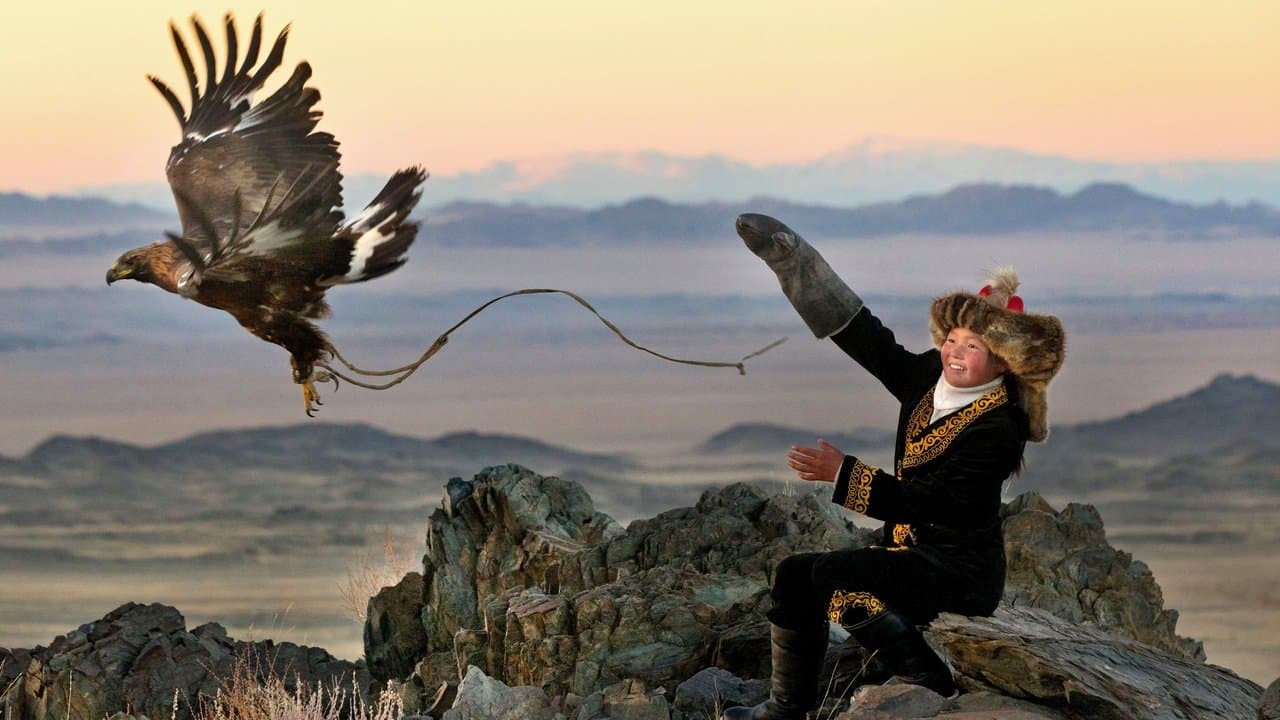
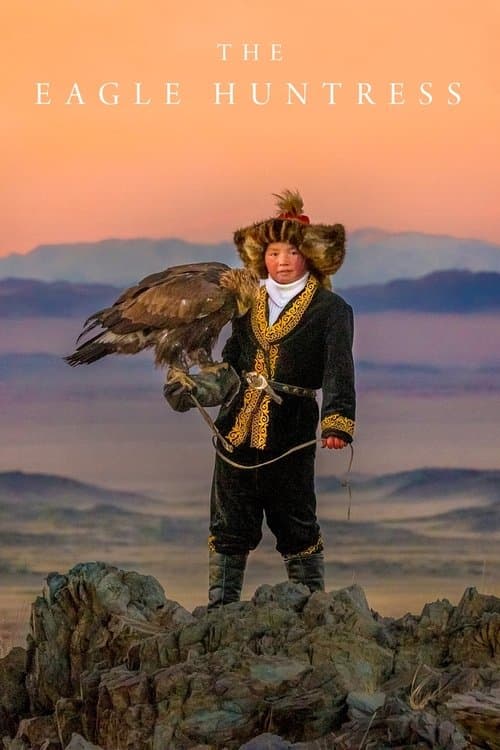
Follow Aisholpan, a 13-year-old girl, as she trains to become the first female in twelve generations of her Kazakh family to become an eagle hunter, and rise to the pinnacle of a tradition that has been typically been handed down from father to son for centuries.
Difficult scenes
Early in her training, Aisholpan and her father move across cliffs and steep ground to reach an eagle nest. The height, the drop, and the sense of physical danger are real, which can create tension for young viewers even though the scene is controlled. The film shows the eagle being trained and makes clear that it is a hunting bird used to catch prey. This may surprise children who love animals, because the warm bond with the eagle exists alongside a hunting practice presented as normal within this cultural tradition. During the winter expedition, the characters face snow, extreme cold, and the isolation of the mountains. This section feels more tense, because the natural environment is shown as genuinely harsh and potentially dangerous. One hunting scene shows the eagle attacking a fox. The violence is brief and not graphic, but the simple fact of seeing one real animal kill another may upset or sadden sensitive children.
Where to watch
No verified platform for the US market yet. We keep this section updated as availability changes.
About this title
- Format
- Feature film
- Year
- 2016
- Runtime
- 1h 27m
- Countries
- Mongolia
- Original language
- EN
- Directed by
- Otto Bell
- Main cast
- Daisy Ridley, Nurgaiv Aisholpan, Nurgaiv Rys, Alma Dalaykhan, Bosaga Rys
- Studios
- Kissaki Films, Stacey Reiss Productions, Shine Global
Content barometer
Violence
2/5
Moderate
Fear
2/5
A few scenes
Sexuality
0/5
None
Language
0/5
None
Narrative complexity
1/5
Accessible
Adult themes
0/5
None
Expert review
This family adventure documentary follows a Mongolian teenage girl as she trains to become an eagle hunter, in a setting shaped by mountains, tradition, and nomadic life, with an uplifting and accessible overall mood. The main sensitive elements come from the realistic nature of hunting, a few moments of danger in the wild, extreme cold, steep heights, and the eagle killing a fox, though the film does not dwell on graphic detail. These moments are limited, and the story stays encouraging and empowering, but the fact that the animals and harsh conditions are real may unsettle very young viewers or children who are especially sensitive to animal harm. For most children, it works best once they are old enough to understand the cultural context of hunting and the difference between a documentary and an action story, with an adult ready to explain the traditions, reassure them during tense scenes, and discuss animal welfare in a thoughtful way.
Synopsis
Follow Aisholpan, a 13-year-old girl, as she trains to become the first female in twelve generations of her Kazakh family to become an eagle hunter, and rise to the pinnacle of a tradition that has been typically been handed down from father to son for centuries.
Difficult scenes
Early in her training, Aisholpan and her father move across cliffs and steep ground to reach an eagle nest. The height, the drop, and the sense of physical danger are real, which can create tension for young viewers even though the scene is controlled. The film shows the eagle being trained and makes clear that it is a hunting bird used to catch prey. This may surprise children who love animals, because the warm bond with the eagle exists alongside a hunting practice presented as normal within this cultural tradition. During the winter expedition, the characters face snow, extreme cold, and the isolation of the mountains. This section feels more tense, because the natural environment is shown as genuinely harsh and potentially dangerous. One hunting scene shows the eagle attacking a fox. The violence is brief and not graphic, but the simple fact of seeing one real animal kill another may upset or sadden sensitive children.