War of the Buttons
War of the Buttons
Your feedback improves this guide
Your feedback highlights guides that need a second look and keeps the rating trustworthy.
Does this age rating seem accurate to you?
Sign in to vote
Watch-outs
What this film brings
Content barometer
Violence
2/5
Moderate
Fear
1/5
Mild
Sexuality
1/5
Allusions
Language
1/5
Mild
Narrative complexity
2/5
Moderate
Adult themes
0/5
None
Expert review
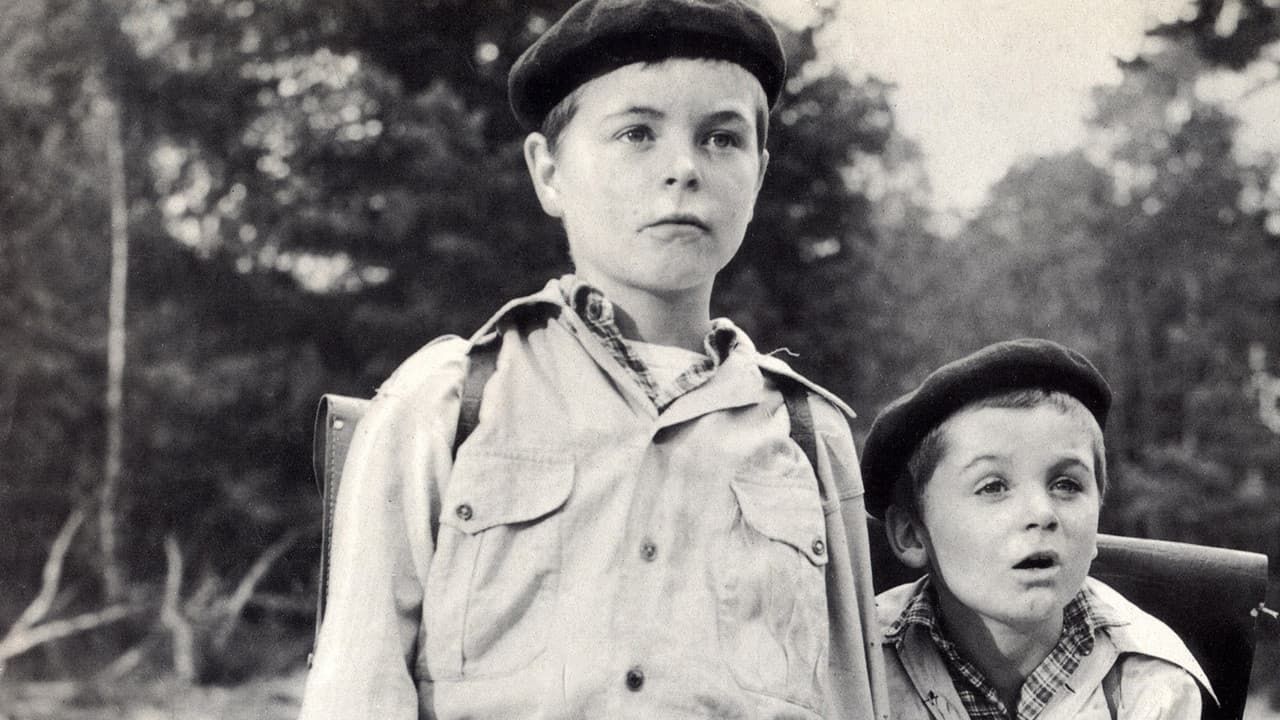
This French adventure comedy follows the rivalry between groups of boys from two villages, with a lively, mischievous tone rooted in everyday rural life. The main sensitive elements are children fighting, repeated humiliation involving torn off clothing, some harsh parental punishment, and nonsexual child nudity used as a joke and a battle tactic. The material is not graphic and is often played for comedy, yet the realism of the conflict, the meanness between children, and the fear of being beaten by adults may unsettle younger viewers. There is no sexual content in the usual sense, though the idea of children fighting naked may feel awkward or prompt questions. I would recommend it more from age 8, with an adult present to discuss humiliation, peer aggression, and the strict adult responses shown in the story.
Synopsis
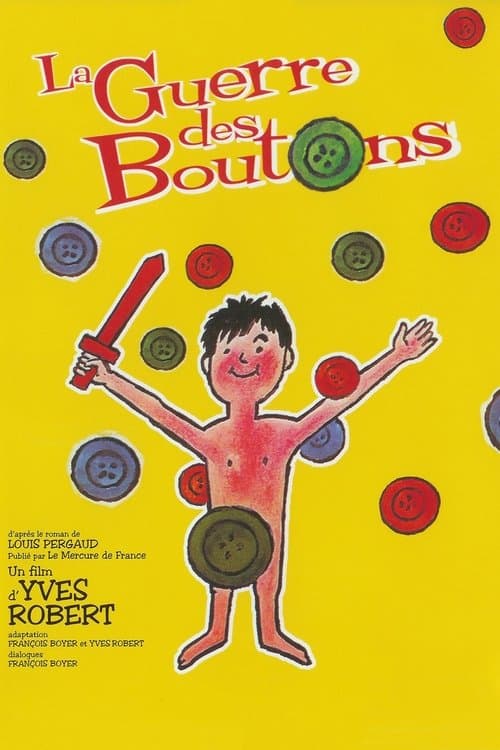
For generations, two rival French villages, Longueverne and Velrans, have been at war. But this is no ordinary conflict, for the on-going hostilities are between two armies of young schoolboys. When he is beaten by his father for having lost his buttons, the leader of the Longueverne army, Lebrac, has an idea which will give his side the advantage: next time, he and his brave soldiers will go in battle without their clothes...
Difficult scenes
The film centers on clashes between groups of boys who capture, shove, and roughly handle one another. These scenes are often presented as a funny miniature war, yet they still involve intimidation, group domination, and the fear of being caught by the opposing side. A key recurring idea is tearing off prisoners' buttons, suspenders, and clothing so they return home humiliated and punished. The film treats this as comedy, but it may still be uncomfortable for a young child who is sensitive to shame, ridicule, or body exposure, even though there is no sexual framing. Several moments focus on the harsh reactions of parents when the boys come home disheveled or without proper clothing. The story makes it clear that some children fear being beaten or severely punished at home, which may affect viewers who are sensitive to child mistreatment or strict authority figures.
Where to watch
No verified platform for the US market yet. We keep this section updated as availability changes.
About this title
- Format
- Feature film
- Year
- 1962
- Runtime
- 1h 30m
- Countries
- France
- Original language
- FR
- Directed by
- Yves Robert
- Main cast
- Jacques Dufilho, Yvette Etiévant, Michel Galabru, Michèle Méritz, Jean Richard, Pierre Tchernia, Pierre Trabaud, Claude Confortès, Paul Crauchet, Henri Labussière
- Studios
- Les Productions de la Guéville
Content barometer
Violence
2/5
Moderate
Fear
1/5
Mild
Sexuality
1/5
Allusions
Language
1/5
Mild
Narrative complexity
2/5
Moderate
Adult themes
0/5
None
Expert review
This French adventure comedy follows the rivalry between groups of boys from two villages, with a lively, mischievous tone rooted in everyday rural life. The main sensitive elements are children fighting, repeated humiliation involving torn off clothing, some harsh parental punishment, and nonsexual child nudity used as a joke and a battle tactic. The material is not graphic and is often played for comedy, yet the realism of the conflict, the meanness between children, and the fear of being beaten by adults may unsettle younger viewers. There is no sexual content in the usual sense, though the idea of children fighting naked may feel awkward or prompt questions. I would recommend it more from age 8, with an adult present to discuss humiliation, peer aggression, and the strict adult responses shown in the story.
Synopsis
For generations, two rival French villages, Longueverne and Velrans, have been at war. But this is no ordinary conflict, for the on-going hostilities are between two armies of young schoolboys. When he is beaten by his father for having lost his buttons, the leader of the Longueverne army, Lebrac, has an idea which will give his side the advantage: next time, he and his brave soldiers will go in battle without their clothes...
Difficult scenes
The film centers on clashes between groups of boys who capture, shove, and roughly handle one another. These scenes are often presented as a funny miniature war, yet they still involve intimidation, group domination, and the fear of being caught by the opposing side. A key recurring idea is tearing off prisoners' buttons, suspenders, and clothing so they return home humiliated and punished. The film treats this as comedy, but it may still be uncomfortable for a young child who is sensitive to shame, ridicule, or body exposure, even though there is no sexual framing. Several moments focus on the harsh reactions of parents when the boys come home disheveled or without proper clothing. The story makes it clear that some children fear being beaten or severely punished at home, which may affect viewers who are sensitive to child mistreatment or strict authority figures.