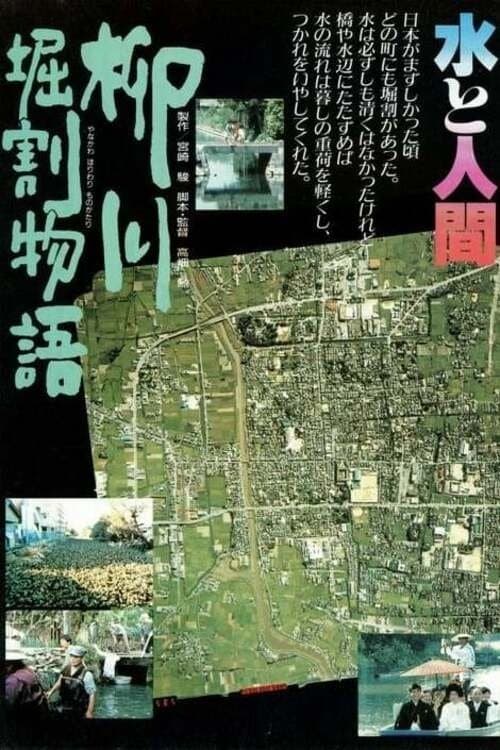
The Story of Yanagawa's Canals
柳川の運河の物語
The Story of Yanagawa's Canals
柳川の運河の物語
Your feedback improves this guide
Your feedback highlights guides that need a second look and keeps the rating trustworthy.
Does this age rating seem accurate to you?
Sign in to vote
What this film brings
Content barometer
Violence
0/5
None
Fear
0/5
None
Sexuality
0/5
None
Language
0/5
None
Narrative complexity
2/5
Moderate
Adult themes
0/5
None
Expert review
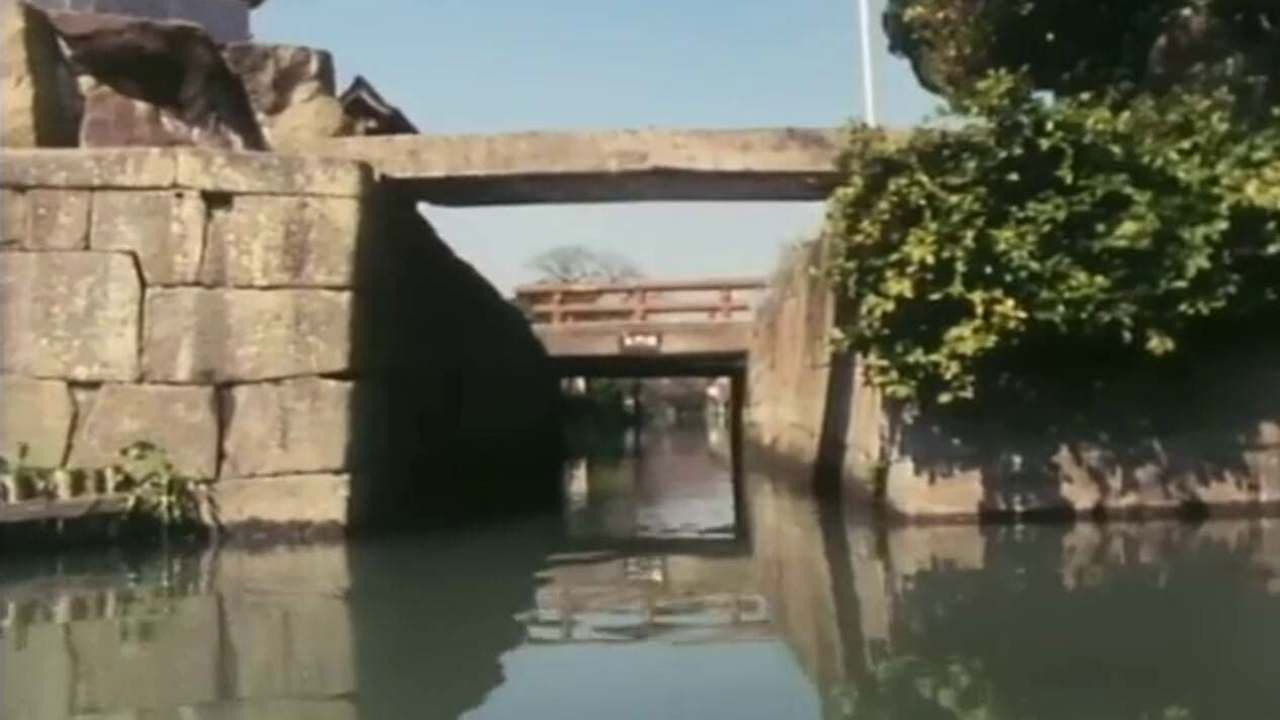
This partially animated documentary has a calm, educational, and reflective atmosphere, focusing on the history of Yanagawa's canals and the people working to preserve them. Sensitive content is very limited and mostly connected to environmental and historical topics, including water pollution, the possible loss of local heritage, a few mentions of conflict over water use, and some old references to military defense. The intensity stays very low throughout, with no depicted violence, no frightening set pieces, and no sexual content, strong language, or substance use, although the slow pacing and documentary format may require patience and some listening maturity. For younger viewers, the main challenge is not emotional distress but sustained interest in a factual subject. Parents can make the experience more engaging by briefly explaining how canals work, why pollution matters, and how communities can live in balance with nature.
Synopsis
A partially-animated documentary about the preservation and restoration of the canal system in Yanagawa, Fukuoka
Difficult scenes
The film repeatedly shows and explains how the canals have been harmed by pollution and by their gradual abandonment. These passages may cause some sadness or concern for a young child who is sensitive to the decline of a living place, even though the presentation remains restrained and documentary in style. Some historical sections mention the defensive role of the canal network and tensions connected to water management between groups of people. These are not action scenes, but the explanations may benefit from parental support if a child starts asking questions about war, conflict, or the sharing of essential resources.
Where to watch
No verified platform for the US market yet. We keep this section updated as availability changes.
Availability checked on Apr 01, 2026
About this title
- Format
- Feature film
- Year
- 1987
- Runtime
- 2h 47m
- Countries
- Japan
- Original language
- JA
- Directed by
- Isao Takahata
- Main cast
- Masahiko Kunii, Sachiko Kagami, Isao Takahata, Norio Akasaka
- Studios
- Nibariki, Studio Ghibli
Content barometer
Violence
0/5
None
Fear
0/5
None
Sexuality
0/5
None
Language
0/5
None
Narrative complexity
2/5
Moderate
Adult themes
0/5
None
Expert review
This partially animated documentary has a calm, educational, and reflective atmosphere, focusing on the history of Yanagawa's canals and the people working to preserve them. Sensitive content is very limited and mostly connected to environmental and historical topics, including water pollution, the possible loss of local heritage, a few mentions of conflict over water use, and some old references to military defense. The intensity stays very low throughout, with no depicted violence, no frightening set pieces, and no sexual content, strong language, or substance use, although the slow pacing and documentary format may require patience and some listening maturity. For younger viewers, the main challenge is not emotional distress but sustained interest in a factual subject. Parents can make the experience more engaging by briefly explaining how canals work, why pollution matters, and how communities can live in balance with nature.
Synopsis
A partially-animated documentary about the preservation and restoration of the canal system in Yanagawa, Fukuoka
Difficult scenes
The film repeatedly shows and explains how the canals have been harmed by pollution and by their gradual abandonment. These passages may cause some sadness or concern for a young child who is sensitive to the decline of a living place, even though the presentation remains restrained and documentary in style. Some historical sections mention the defensive role of the canal network and tensions connected to water management between groups of people. These are not action scenes, but the explanations may benefit from parental support if a child starts asking questions about war, conflict, or the sharing of essential resources.