The Nightmare Before Christmas
The Nightmare Before Christmas
Your feedback improves this guide
Your feedback highlights guides that need a second look and keeps the rating trustworthy.
Does this age rating seem accurate to you?
Sign in to vote
Watch-outs
What this film brings
Content barometer
Violence
2/5
Moderate
Fear
3/5
Notable tension
Sexuality
1/5
Allusions
Language
0/5
None
Narrative complexity
1/5
Accessible
Adult themes
0/5
None
Expert review
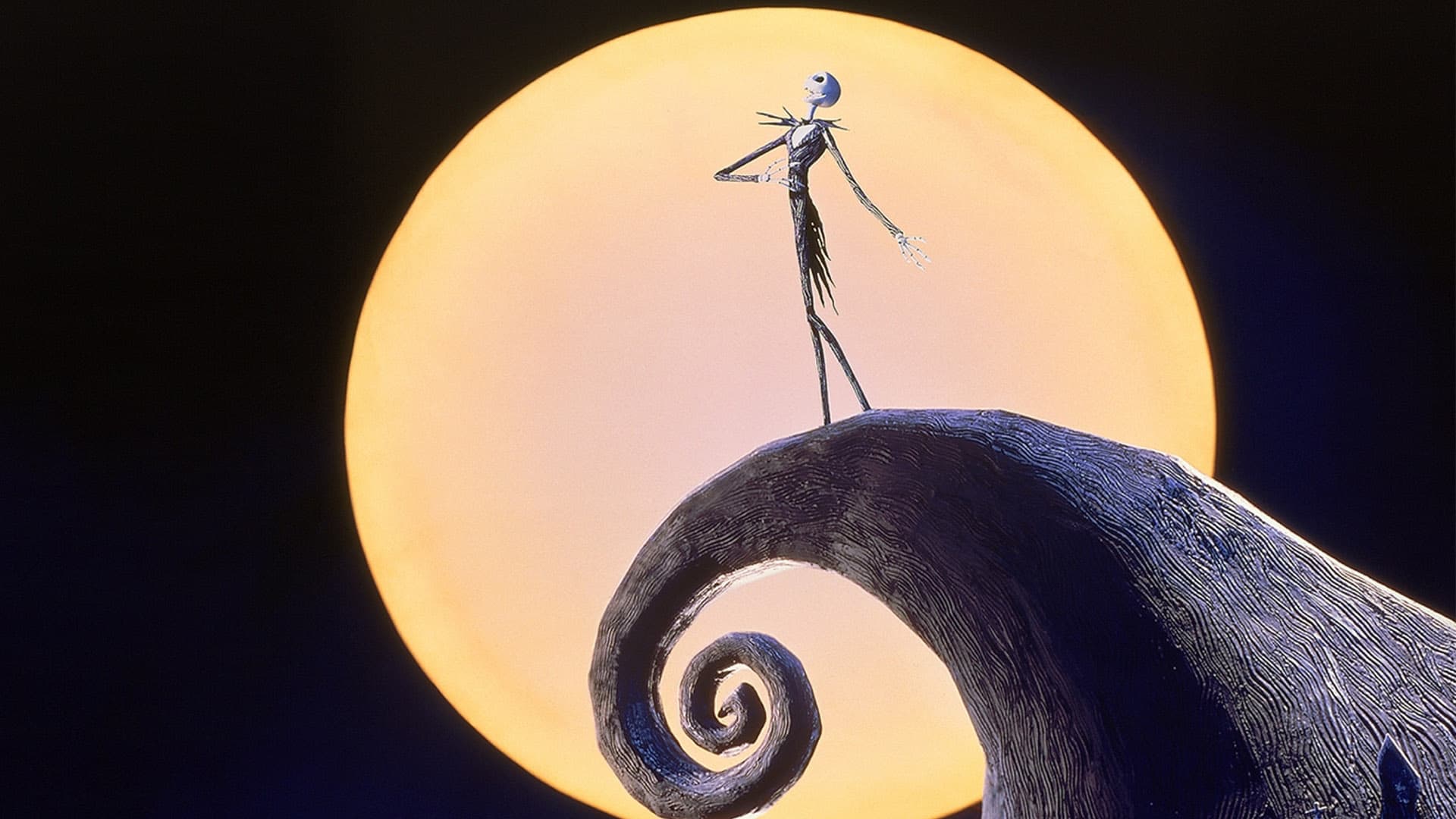
This stop motion animated classic offers a highly imaginative, musical world with a dark gothic look, where Halloween creatures move through an atmosphere that can feel magical to some children and unsettling to others. The sensitive content mainly comes from the monster designs, the constant macabre setting, a kidnapping plot, repeated peril, and imagery linked to death and danger, although everything remains stylized rather than realistic or graphic. The intensity is moderate but fairly sustained, because the film keeps its eerie tone throughout and includes several stronger moments involving a genuinely creepy villain and frightening gifts that alarm families. For many children, the main challenge is not physical violence but the visual darkness and unusual tone, which can linger in the mind after viewing. I would recommend it mainly from about age 7, with parental support for children who are easily scared by monsters, so an adult can frame the black humor and reassure them that the story is designed as fantasy rather than horror.
Synopsis
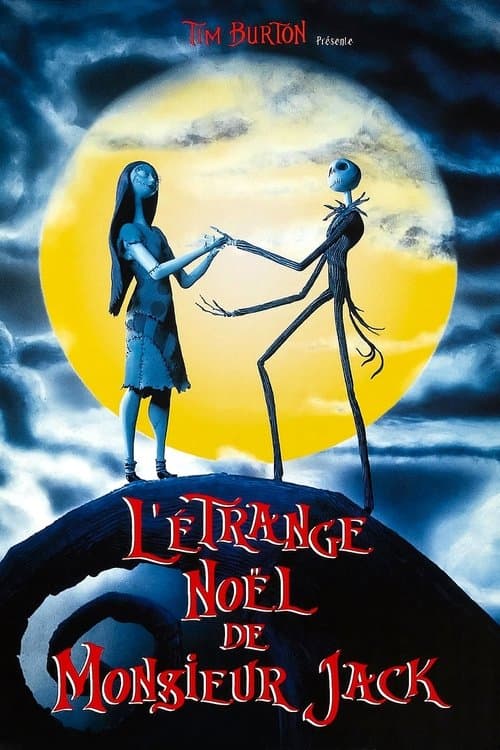
Tired of scaring humans every October 31 with the same old bag of tricks, Jack Skellington, the spindly king of Halloween Town, kidnaps Santa Claus and plans to deliver shrunken heads and other ghoulish gifts to children on Christmas morning. But as Christmas approaches, Jack's rag-doll girlfriend, Sally, tries to foil his misguided plans.
Difficult scenes
From the opening scenes, the film establishes a macabre mood with skeletons, monsters, graveyards, and songs built around fear. Nothing is graphic, but the accumulation of strange faces and dark visuals can already unsettle a young child, especially one who is sensitive to fixed smiles, hollow eyes, or festive imagery turned eerie. The story includes Santa being kidnapped by three mischievous children and then delivered to a much more frightening villain. This section can be especially intense for younger viewers because a familiar, comforting figure is placed in danger inside a threatening setting, and the sense of helplessness lasts across multiple scenes. When Jack delivers presents in the real world, the gifts frighten families and trigger clear panic reactions. For a child, seeing Christmas linked with aggressive creatures, threatening toys, and widespread fear can feel confusing or upsetting, even though the sequence remains fantastical rather than realistic. Later in the story, several scenes involve more direct physical peril, including authorities responding, shots fired at the sleigh, and a dramatic fall. The violence is brief and stylized, but the staging may make children think an important character has died, which can create anxiety or sadness.
Where to watch
No verified platform for the US market yet. We keep this section updated as availability changes.
Availability checked on Apr 01, 2026
About this title
- Format
- Feature film
- Year
- 1993
- Runtime
- 1h 15m
- Countries
- United States of America
- Original language
- EN
- Studios
- Touchstone Pictures, Skellington Productions
Content barometer
Violence
2/5
Moderate
Fear
3/5
Notable tension
Sexuality
1/5
Allusions
Language
0/5
None
Narrative complexity
1/5
Accessible
Adult themes
0/5
None
Expert review
This stop motion animated classic offers a highly imaginative, musical world with a dark gothic look, where Halloween creatures move through an atmosphere that can feel magical to some children and unsettling to others. The sensitive content mainly comes from the monster designs, the constant macabre setting, a kidnapping plot, repeated peril, and imagery linked to death and danger, although everything remains stylized rather than realistic or graphic. The intensity is moderate but fairly sustained, because the film keeps its eerie tone throughout and includes several stronger moments involving a genuinely creepy villain and frightening gifts that alarm families. For many children, the main challenge is not physical violence but the visual darkness and unusual tone, which can linger in the mind after viewing. I would recommend it mainly from about age 7, with parental support for children who are easily scared by monsters, so an adult can frame the black humor and reassure them that the story is designed as fantasy rather than horror.
Synopsis
Tired of scaring humans every October 31 with the same old bag of tricks, Jack Skellington, the spindly king of Halloween Town, kidnaps Santa Claus and plans to deliver shrunken heads and other ghoulish gifts to children on Christmas morning. But as Christmas approaches, Jack's rag-doll girlfriend, Sally, tries to foil his misguided plans.
Difficult scenes
From the opening scenes, the film establishes a macabre mood with skeletons, monsters, graveyards, and songs built around fear. Nothing is graphic, but the accumulation of strange faces and dark visuals can already unsettle a young child, especially one who is sensitive to fixed smiles, hollow eyes, or festive imagery turned eerie. The story includes Santa being kidnapped by three mischievous children and then delivered to a much more frightening villain. This section can be especially intense for younger viewers because a familiar, comforting figure is placed in danger inside a threatening setting, and the sense of helplessness lasts across multiple scenes. When Jack delivers presents in the real world, the gifts frighten families and trigger clear panic reactions. For a child, seeing Christmas linked with aggressive creatures, threatening toys, and widespread fear can feel confusing or upsetting, even though the sequence remains fantastical rather than realistic. Later in the story, several scenes involve more direct physical peril, including authorities responding, shots fired at the sleigh, and a dramatic fall. The violence is brief and stylized, but the staging may make children think an important character has died, which can create anxiety or sadness.