
School of Life
School of Life
Your feedback improves this guide
Your feedback highlights guides that need a second look and keeps the rating trustworthy.
Does this age rating seem accurate to you?
Sign in to vote
Watch-outs
What this film brings
Content barometer
Violence
2/5
Moderate
Fear
2/5
A few scenes
Sexuality
0/5
None
Language
0/5
None
Narrative complexity
3/5
Complex
Adult themes
0/5
None
Expert review
This family adventure is set in the French countryside of the 1930s and blends nature discovery, family secrets, and emotional growth in a world that is often warm but sometimes serious. The main sensitive elements involve separation, the boy's life as an orphan, tense scenes linked to poaching and hunting, and sadness connected to loss and painful truths from the past. The intensity is moderate and there is little graphic violence, yet some forest scenes, adult conflicts, and feelings of abandonment may unsettle younger viewers, especially children who react strongly to melancholy stories. Overall, the film remains suitable for family viewing and offers many reassuring emotional bonds along the way. For younger children, it helps to watch together and explain the orphanage setting, the harsh behavior of some adults, and the emotions related to grief, belonging, and identity.
Synopsis
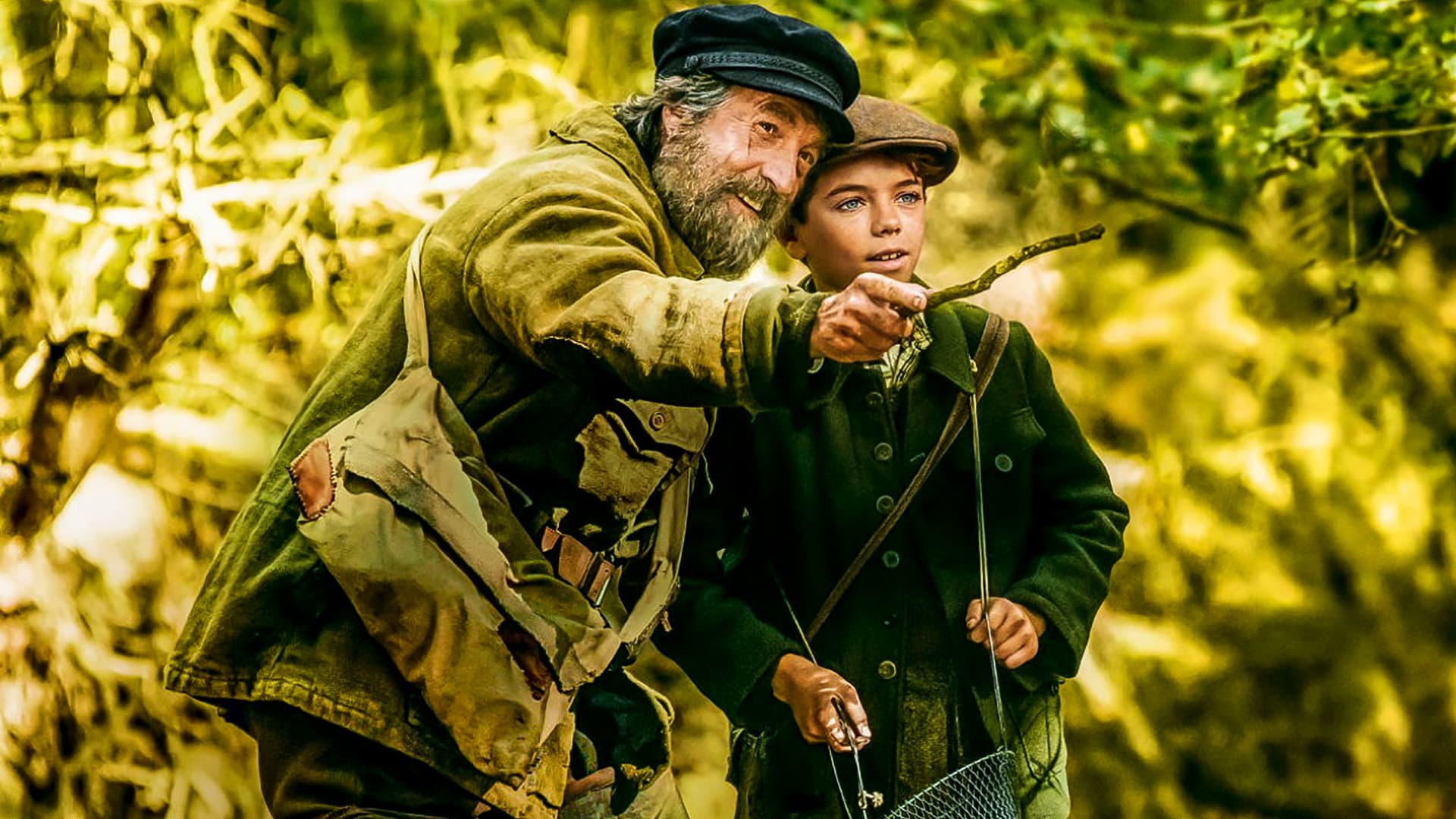
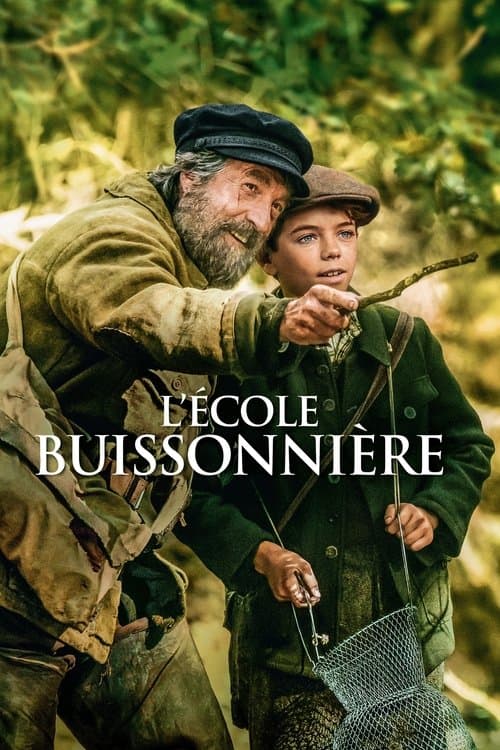
Paris 1930. Paul has only ever had one and the same horizon: the high walls of the orphanage, an austere building in the Parisian working class suburbs. Entrusted to a joyful country woman, Célestine, and her husband, Borel, the rather stiff gamekeeper of a vast estate in Sologne, the city child, recalcitrant and stubborn, arrives in a mysterious and disturbing world, that of a sovereign and wild region. The huge forest, misty ponds, heaths, and fields all belong to the Count de la Fresnaye, an elderly taciturn man who lives alone in his manor.
Difficult scenes
The opening sets up Paul's life in a strict orphanage, creating a strong sense of emotional deprivation and a childhood without much freedom. This can affect children who are especially sensitive to abandonment or separation, even though nothing is shown in a graphic way. When Paul arrives in the countryside, the forest and the estate first feel mysterious and at times unsettling to him. Several scenes rely on the unknown, the gamekeeper's harsh rules, and the fear of punishment, which can create real tension for younger viewers. The conflict between the gamekeeper and the poacher brings chases, traps, and scenes connected to hunting animals. The violence stays restrained, but the idea of tracking, catching, or killing wildlife may upset children who are very sensitive about animals. The film also deals with family secrets and a lasting sadness tied to the past of several characters. Even without highly shocking scenes, that emotional weight gives the story a seriousness that goes beyond a simple countryside adventure.
Where to watch
No verified platform for the US market yet. We keep this section updated as availability changes.
About this title
- Format
- Feature film
- Year
- 2017
- Runtime
- 1h 56m
- Countries
- France
- Original language
- FR
- Directed by
- Nicolas Vanier
- Main cast
- François Cluzet, Jean Scandel, Éric Elmosnino, François Berléand, Valérie Karsenti, Thomas Durand, Ilona Cabrera, Frédéric Saurel, Urbain Cancelier, Murielle Huet des Aunay
- Studios
- StudioCanal, Radar Films, France 2 Cinéma
Content barometer
Violence
2/5
Moderate
Fear
2/5
A few scenes
Sexuality
0/5
None
Language
0/5
None
Narrative complexity
3/5
Complex
Adult themes
0/5
None
Expert review
This family adventure is set in the French countryside of the 1930s and blends nature discovery, family secrets, and emotional growth in a world that is often warm but sometimes serious. The main sensitive elements involve separation, the boy's life as an orphan, tense scenes linked to poaching and hunting, and sadness connected to loss and painful truths from the past. The intensity is moderate and there is little graphic violence, yet some forest scenes, adult conflicts, and feelings of abandonment may unsettle younger viewers, especially children who react strongly to melancholy stories. Overall, the film remains suitable for family viewing and offers many reassuring emotional bonds along the way. For younger children, it helps to watch together and explain the orphanage setting, the harsh behavior of some adults, and the emotions related to grief, belonging, and identity.
Synopsis
Paris 1930. Paul has only ever had one and the same horizon: the high walls of the orphanage, an austere building in the Parisian working class suburbs. Entrusted to a joyful country woman, Célestine, and her husband, Borel, the rather stiff gamekeeper of a vast estate in Sologne, the city child, recalcitrant and stubborn, arrives in a mysterious and disturbing world, that of a sovereign and wild region. The huge forest, misty ponds, heaths, and fields all belong to the Count de la Fresnaye, an elderly taciturn man who lives alone in his manor.
Difficult scenes
The opening sets up Paul's life in a strict orphanage, creating a strong sense of emotional deprivation and a childhood without much freedom. This can affect children who are especially sensitive to abandonment or separation, even though nothing is shown in a graphic way. When Paul arrives in the countryside, the forest and the estate first feel mysterious and at times unsettling to him. Several scenes rely on the unknown, the gamekeeper's harsh rules, and the fear of punishment, which can create real tension for younger viewers. The conflict between the gamekeeper and the poacher brings chases, traps, and scenes connected to hunting animals. The violence stays restrained, but the idea of tracking, catching, or killing wildlife may upset children who are very sensitive about animals. The film also deals with family secrets and a lasting sadness tied to the past of several characters. Even without highly shocking scenes, that emotional weight gives the story a seriousness that goes beyond a simple countryside adventure.