Ice Age: Scrat Tales
Ice Age: Scrat Tales
Your feedback improves this guide
Your feedback highlights guides that need a second look and keeps the rating trustworthy.
Does this age rating seem accurate to you?
Sign in to vote
What this film brings
Content barometer
Violence
1/5
Mild
Fear
1/5
Mild
Sexuality
0/5
None
Language
0/5
None
Narrative complexity
1/5
Accessible
Adult themes
0/5
None
Expert review
This animated short series uses Scrat's familiar slapstick style in a very light, fast paced format that is clearly aimed at young children and family viewing. Sensitive content is limited to cartoon chases, comic falls, brief hits, and mild peril, with no realistic injuries and no sustained frightening atmosphere. The intensity stays low throughout, although the constant competition over the acorn and the parent child tension may unsettle very sensitive viewers who react strongly to conflict or short separations. For most children around age four, the material is approachable, especially if they already understand classic cartoon exaggeration. Parents may still want to watch alongside younger viewers and explain that the mishaps are played for laughs, while also helping children talk about jealousy, sharing, and the ups and downs of bonding with a parent.
Synopsis
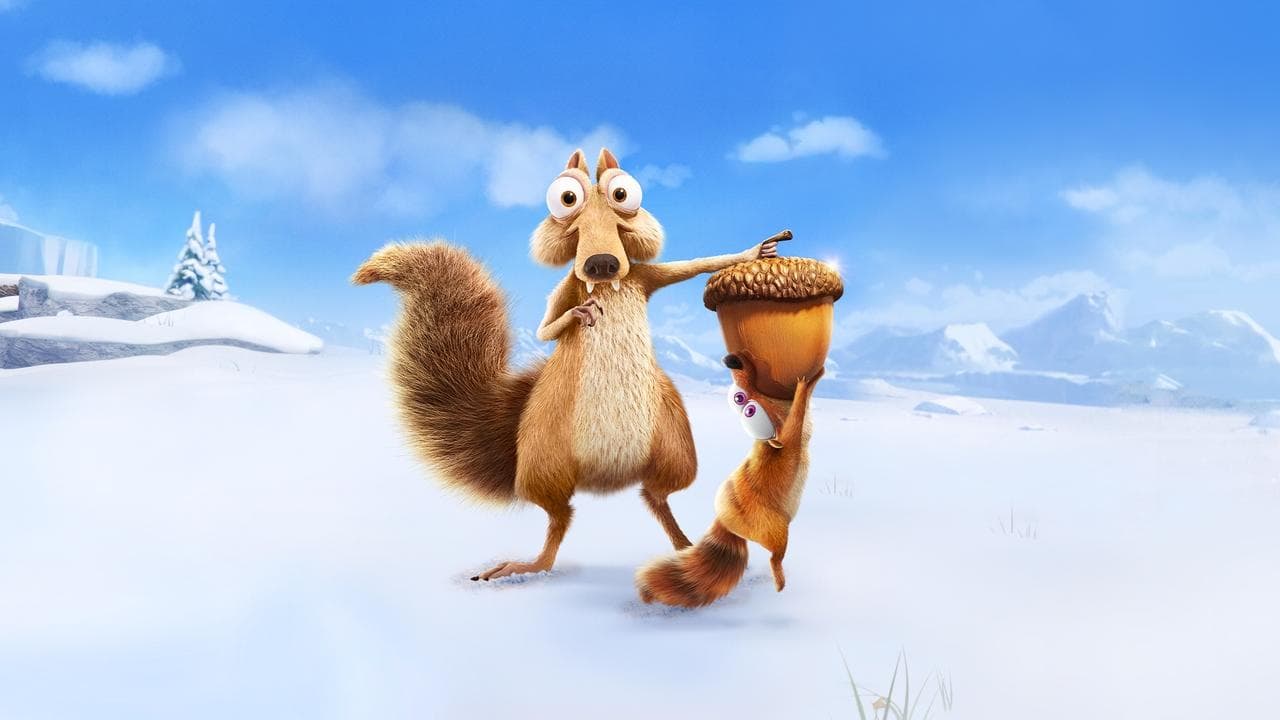
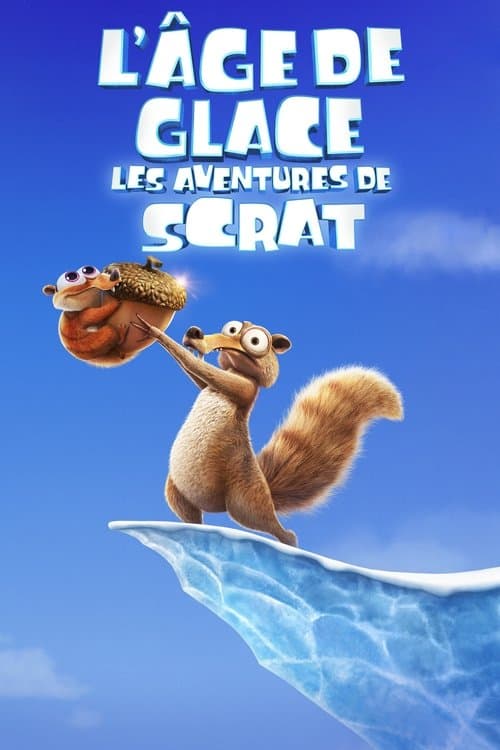
Scrat experiences the ups and downs of fatherhood, as he and the adorable, mischievous Baby Scrat, alternately bond with each other and battle for ownership of the highly treasured Acorn.
Difficult scenes
Several episodes are built around chase gags in which Scrat and Baby Scrat fight over the acorn with constant energy. Children see falls, crashes, and exaggerated panic reactions, which are mostly funny, but the visual chaos may feel a bit intense for very young or highly sensitive viewers. The parent child relationship includes moments of rivalry, frustration, and brief separation when each character wants to keep the acorn. These scenes are not deeply sad, but some young children may respond to the conflict itself or to the way affection is mixed with competition.
Where to watch
No verified platform for the US market yet. We keep this section updated as availability changes.
About this title
- Format
- TV series
- Year
- 2022
- Runtime
- 4m
- Countries
- United States of America
- Original language
- EN
- Main cast
- Chris Wedge, Kari Wahlgren
- Studios
- Blue Sky Studios
Content barometer
Violence
1/5
Mild
Fear
1/5
Mild
Sexuality
0/5
None
Language
0/5
None
Narrative complexity
1/5
Accessible
Adult themes
0/5
None
Expert review
This animated short series uses Scrat's familiar slapstick style in a very light, fast paced format that is clearly aimed at young children and family viewing. Sensitive content is limited to cartoon chases, comic falls, brief hits, and mild peril, with no realistic injuries and no sustained frightening atmosphere. The intensity stays low throughout, although the constant competition over the acorn and the parent child tension may unsettle very sensitive viewers who react strongly to conflict or short separations. For most children around age four, the material is approachable, especially if they already understand classic cartoon exaggeration. Parents may still want to watch alongside younger viewers and explain that the mishaps are played for laughs, while also helping children talk about jealousy, sharing, and the ups and downs of bonding with a parent.
Synopsis
Scrat experiences the ups and downs of fatherhood, as he and the adorable, mischievous Baby Scrat, alternately bond with each other and battle for ownership of the highly treasured Acorn.
Difficult scenes
Several episodes are built around chase gags in which Scrat and Baby Scrat fight over the acorn with constant energy. Children see falls, crashes, and exaggerated panic reactions, which are mostly funny, but the visual chaos may feel a bit intense for very young or highly sensitive viewers. The parent child relationship includes moments of rivalry, frustration, and brief separation when each character wants to keep the acorn. These scenes are not deeply sad, but some young children may respond to the conflict itself or to the way affection is mixed with competition.