
Kotaro Lives Alone
コタローは1人暮らし
Kotaro Lives Alone
コタローは1人暮らし
Your feedback improves this guide
Your feedback highlights guides that need a second look and keeps the rating trustworthy.
Does this age rating seem accurate to you?
Sign in to vote
Watch-outs
What this film brings
Content barometer
Violence
0/5
None
Fear
1/5
Mild
Sexuality
0/5
None
Language
1/5
Mild
Narrative complexity
2/5
Moderate
Adult themes
0/5
None
Expert review
Kotaro Lives Alone is an animated series with a gentle and often funny surface, yet its core premise is emotionally heavy because a very young child is living by himself and masking deep loneliness behind unusually adult behavior. The sensitive material is mostly emotional rather than graphic, including parental absence, neglect, social isolation, and scenes that suggest a child has learned to cope far too early. There is little physical violence and almost no conventional horror, but the sadness is woven through the story and can strongly affect young viewers who are sensitive to separation, crying, or difficult family situations. The overall treatment is compassionate, with caring neighbors and moments of warmth that soften the experience without removing the melancholy underneath. For parents, it works best as a shared watch, with simple conversation about why Kotaro acts so grown up, what children need from safe adults, and how asking for help is an important message in the story.
Synopsis
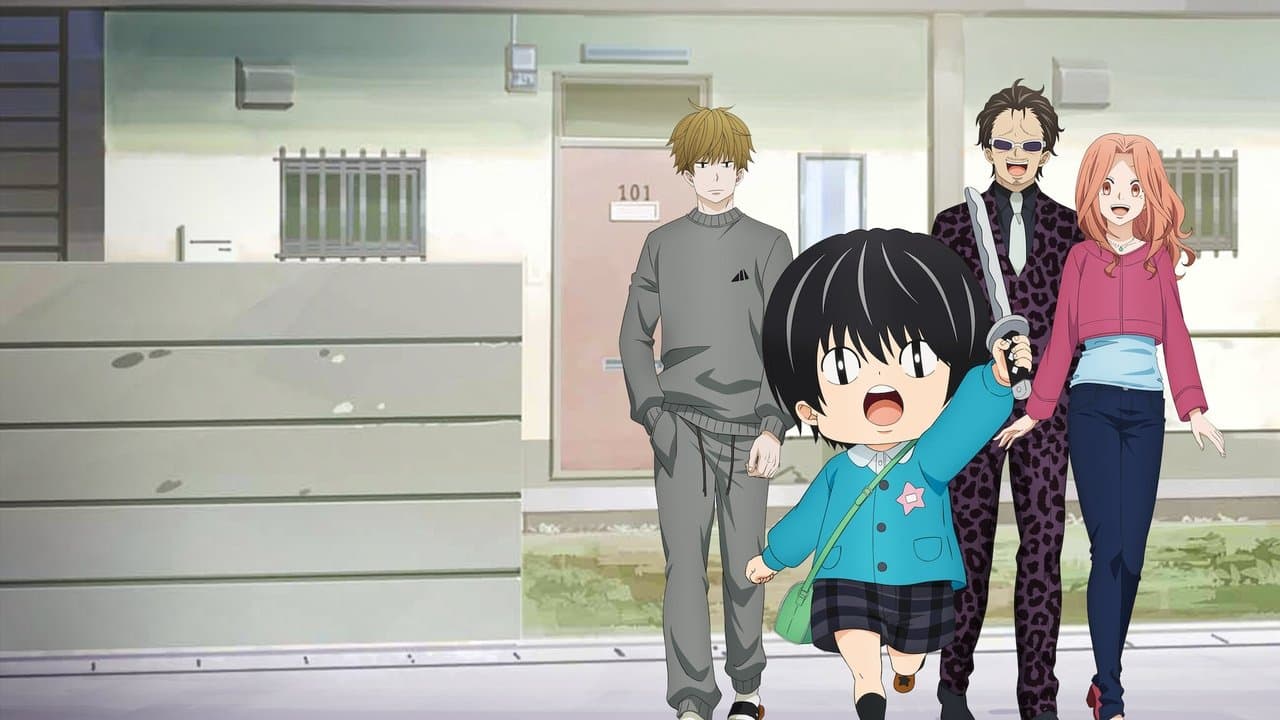
A lonely little boy moves into a ramshackle apartment building all on his own and makes friends with the broke manga artist who lives next door.
Difficult scenes
The basic premise may already unsettle young children, because Kotaro is only four years old and moves into an apartment by himself. Even though the presentation is gentle and sometimes funny, the idea of a little boy living without a parent at home can raise anxiety or repeated questions about safety and abandonment. As the episodes go on, it becomes clear that his extremely polite and overly adult behavior comes from significant emotional deprivation. These scenes are not intense in a visual sense, but they can be more upsetting than a standard scary scene because children realize Kotaro has been missing comfort, stability, and normal parental care. There are also moments when the adults around him slowly understand how serious his isolation really is, creating scenes of restrained sadness and occasional tears. The adults are mostly caring and protective, but the emotional impact comes from seeing that a child has had to manage alone for far too long. Some conversations implicitly point to failed parenting and a childhood shaped by psychological neglect. Nothing is graphic, yet these suggestions can be hard for very young viewers who take situations literally and identify strongly with Kotaro.
Where to watch
No verified platform for the US market yet. We keep this section updated as availability changes.
About this title
- Format
- TV series
- Year
- 2022
- Runtime
- 27m
- Countries
- Japan
- Original language
- JA
- Main cast
- Rie Kugimiya, Toshiki Masuda, Junichi Suwabe, Saori Hayami
- Studios
- LIDENFILMS
Content barometer
Violence
0/5
None
Fear
1/5
Mild
Sexuality
0/5
None
Language
1/5
Mild
Narrative complexity
2/5
Moderate
Adult themes
0/5
None
Expert review
Kotaro Lives Alone is an animated series with a gentle and often funny surface, yet its core premise is emotionally heavy because a very young child is living by himself and masking deep loneliness behind unusually adult behavior. The sensitive material is mostly emotional rather than graphic, including parental absence, neglect, social isolation, and scenes that suggest a child has learned to cope far too early. There is little physical violence and almost no conventional horror, but the sadness is woven through the story and can strongly affect young viewers who are sensitive to separation, crying, or difficult family situations. The overall treatment is compassionate, with caring neighbors and moments of warmth that soften the experience without removing the melancholy underneath. For parents, it works best as a shared watch, with simple conversation about why Kotaro acts so grown up, what children need from safe adults, and how asking for help is an important message in the story.
Synopsis
A lonely little boy moves into a ramshackle apartment building all on his own and makes friends with the broke manga artist who lives next door.
Difficult scenes
The basic premise may already unsettle young children, because Kotaro is only four years old and moves into an apartment by himself. Even though the presentation is gentle and sometimes funny, the idea of a little boy living without a parent at home can raise anxiety or repeated questions about safety and abandonment. As the episodes go on, it becomes clear that his extremely polite and overly adult behavior comes from significant emotional deprivation. These scenes are not intense in a visual sense, but they can be more upsetting than a standard scary scene because children realize Kotaro has been missing comfort, stability, and normal parental care. There are also moments when the adults around him slowly understand how serious his isolation really is, creating scenes of restrained sadness and occasional tears. The adults are mostly caring and protective, but the emotional impact comes from seeing that a child has had to manage alone for far too long. Some conversations implicitly point to failed parenting and a childhood shaped by psychological neglect. Nothing is graphic, yet these suggestions can be hard for very young viewers who take situations literally and identify strongly with Kotaro.