Kahlil Gibran's The Prophet
Does this age rating seem accurate to you?
Detailed parental analysis
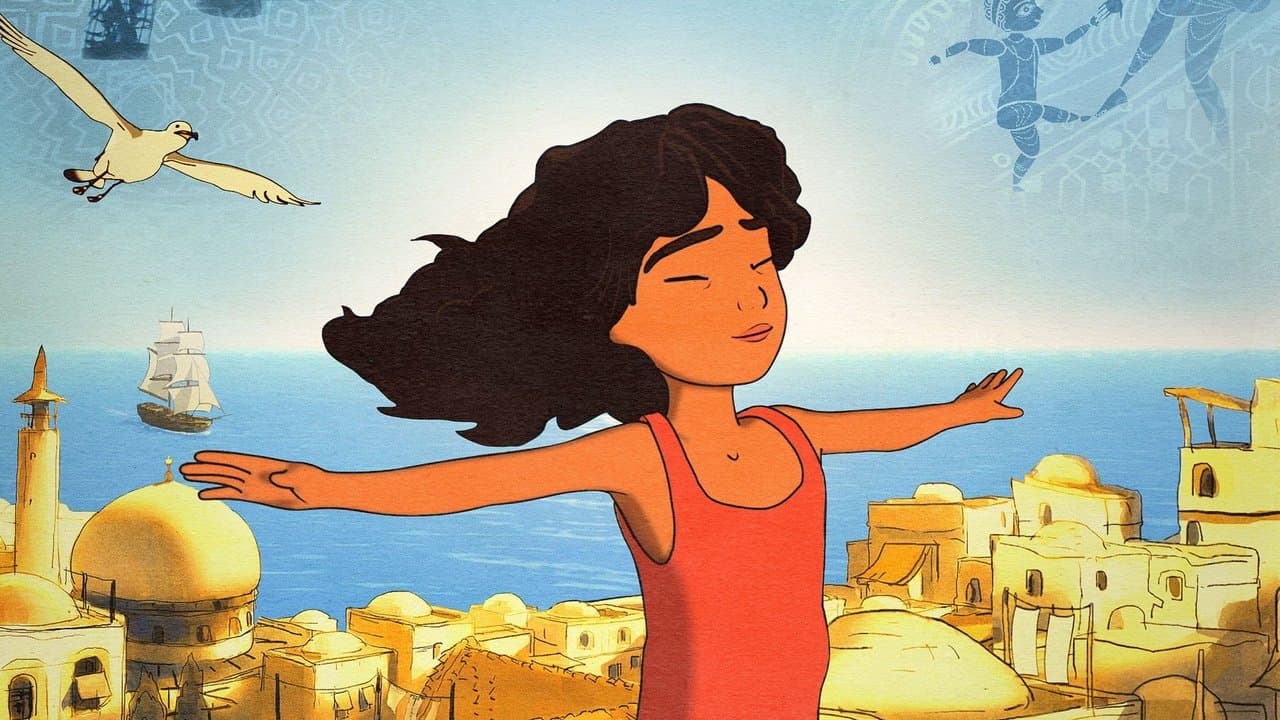
The Prophet is a contemplative and poetic animated film with a gentle yet melancholic atmosphere, alternating between an accessible framing narrative and abstract artistic segments inspired by the work of Khalil Gibran. The plot follows a solitary young girl and an imprisoned poet who form a friendship as he awaits deportation to his native country. The film primarily targets an adult and adolescent audience sensitive to poetry and philosophy, despite its animated format and child protagonist.
Underlying Values
The film is entirely structured around the poet Mustafa's philosophical teachings on love, freedom, work, death and the education of children. These messages are conveyed with genuine sincerity and unusual depth for an animated film. The poem on children deserves particular attention: it asserts that parents do not own their children, that children have their own path, and that seeking to shape them in one's own image is a form of gentle violence. This message is beautiful but radical, and can open a rich conversation about what it means to guide without imposing. The film also acknowledges that political change is slow and complex, refusing the easy resolution of the classical moral tale.
Social Themes
The political dimension is present from the outset: Mustafa is a political prisoner, detained for his ideas by an authoritarian regime. His execution is alluded to and gunshots are heard, without the scene being shown. The police are portrayed as an instrument of repression, using force against crowds and against a child. These elements anchor the film in a concrete political reality, that of the persecution of intellectuals and poets, and may prompt questions about freedom of expression and the relationship between art and power.
Violence
Violence is present but restrained. Police officers jostle a young girl and strike a crowd with batons. A political execution takes place off-screen, signalled only by gunshots. These elements are not gratuitous: they serve to illustrate the injustice of the regime and the price paid by those who resist. The intensity remains moderate and the narrative outcome is clear, but the death of a central character may affect sensitive children.
Sex and Nudity
A tango dance between two adults is depicted in a sensual manner, with a passionate kiss. A wedding also includes a kiss between the bride and groom. These scenes are brief, non-explicit and integrated into poetic segments. Nothing inappropriate for a pre-adolescent, but the sensual register of the tango contrasts with the rest of the film.
Substances
Alcohol is consumed at a wedding reception. Its presence is incidental and without particular valorisation.
Strengths
The film has genuine and deliberate artistic ambition: each Gibran poem gives rise to an animation segment in a distinct visual style, offering rare graphical diversity. Adapting philosophical texts into animated images is a difficult exercise, and the result is often striking from an aesthetic standpoint. The framing narrative, centred on the friendship between a withdrawn child and a condemned man, functions as an emotional anchor that makes the poet's teachings more embodied. For a curious adolescent or an adult, the film constitutes a vivid introduction to Gibran's work and an invitation to reflect on universal questions: freedom, death, love, the meaning of work.
Age recommendation and discussion points
The film is best suited for ages 10 and above, with a preference for 12 and over for fully engaged viewing. Below this age, the philosophical segments risk losing the child and rendering the experience frustrating. Two discussion angles are essential after viewing: ask the child what they think of the message about children's autonomy in relation to their parents, and reflect together on why a poet might be considered dangerous by a government.
Synopsis
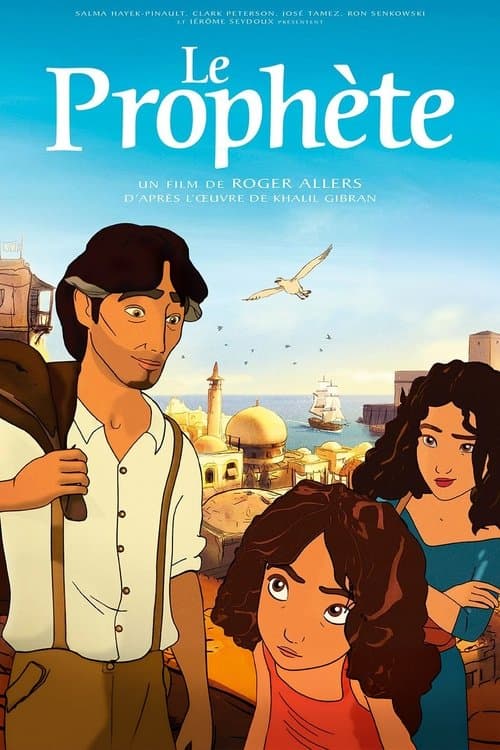
Exiled artist and poet Mustafa embarks on a journey home with his housekeeper and her daughter; together the trio must evade the authorities who fear that the truth in Mustafa's words will incite rebellion.
About this title
- Format
- Feature film
- Year
- 2014
- Runtime
- 1h 30m
- Countries
- Canada, Qatar, Lebanon, United States of America
- Original language
- EN
- Directed by
- Roger Allers, Bill Plympton, Gaëtan Brizzi, Joan C. Gratz, Joann Sfar, Michał Socha, Mohammad Saeed Harib, Nina Paley, Paul Brizzi, Tomm Moore
- Main cast
- Salma Hayek Pinault, Liam Neeson, John Krasinski, Alfred Molina, Frank Langella, Quvenzhané Wallis, Assaf Cohen, Terri Douglas, Leah Allers, Caden Armstrong
- Studios
- Ventanarosa, DFI, Prophet Screen Partners, MyGroup Lebanon, FFA Private Bank, Bardel Entertainment, Code Red, Creative Projects Group, Gibran National Committee, Hanson, Financière Pinault
Content barometer
- Violence2/5Moderate
- Fear2/5A few scenes
- Sexuality1/5Allusions
- Language0/5None
- Narrative complexity1/5Accessible
- Adult themes1/5Mild
Watch-outs
Values conveyed
- Friendship
- Compassion
- Autonomy
- intergenerational friendship
- courage
- freedom of expression
- grief and resilience
- beauty of poetry
- resistance to oppression