Jurassic World: Chaos Theory
Does this age rating seem accurate to you?
Detailed parental analysis
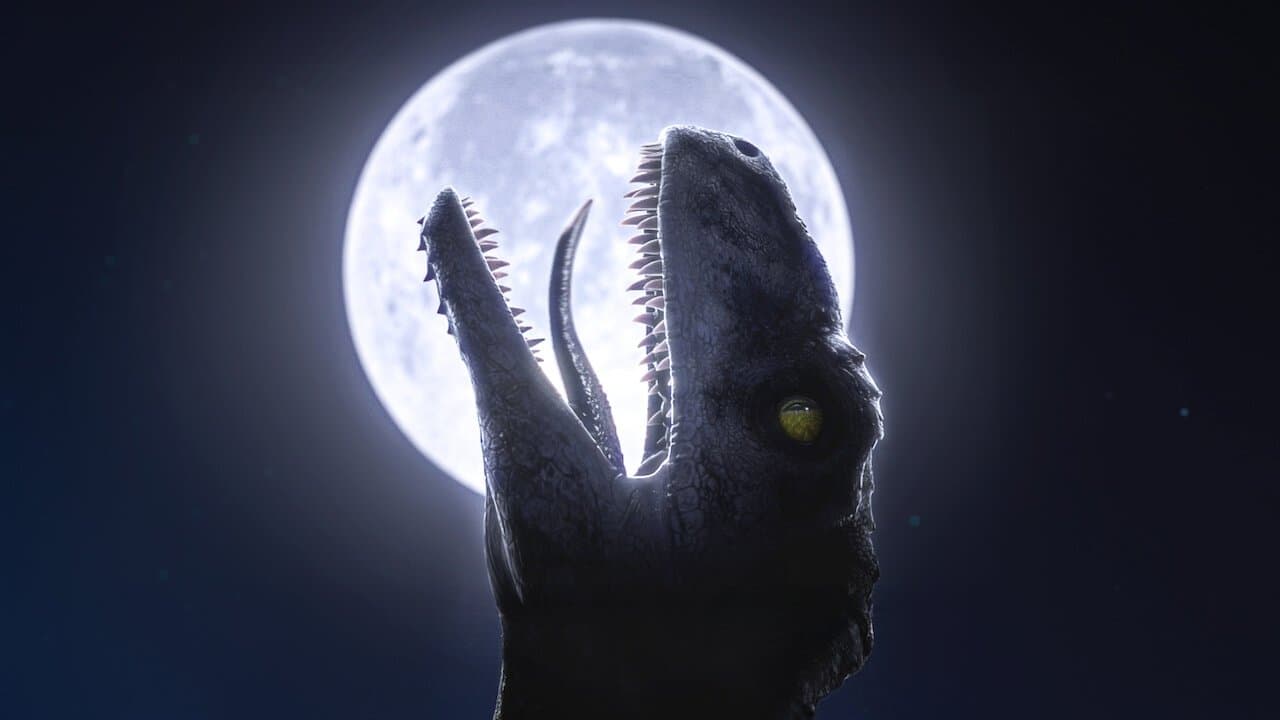
Jurassic World: Chaos Theory is an animated series for young audiences with a dark and tense atmosphere, directly continuing from the Cretaceous survival camp. The plot follows a group of teenagers confronted with new dangers involving dinosaurs in a world where these creatures have now left the parks and coexist with humanity. The series targets children from around seven or eight years old according to its official rating, but its actual tone is closer to an audience of ten to thirteen years old.
Violence
Violence is the constant driving force of the series: dinosaur attacks, chases, trap situations and predation sequences succeed one another at a sustained pace. Jump scares are frequent and deliberately designed to startle the viewer, with creatures emerging in a threatening manner repeatedly. An adolescent character was killed by a dinosaur prior to the events of the series, and this death weighs on the entire narrative without being represented on screen. The adolescents use tasers and tranquilisers to defend themselves, which establishes the use of weapons as an acceptable survival necessity. The violence remains within the codes of the adventure-survival genre, without gore, but the intensity of the peril is real and sustained.
Underlying Values
The series rests on values of courage, cooperation and communication amongst peers as central resources in facing danger. The treatment of grief and guilt linked to a friend's death gives the narrative an emotional depth that goes beyond simple action spectacle. Male characters are represented with frank emotional availability, without defensive posturing, which offers a rare model within the adventure register. The group dynamic values solidarity over individual heroism.
Parental and Family Portrayals
Adult figures are largely absent or secondary in the series, leaving the adolescents to manage crisis situations alone. This pattern, common in youth adventure fiction, deserves to be highlighted as it implicitly establishes the idea that adults are unavailable or unreliable in dangerous situations.
Language
The verbal register remains mild and in keeping with a family series: a few light exclamations without genuine coarse language. This is not a point of concern for parents.
Strengths
The series addresses adolescent grief with a sincerity uncommon in the animation-adventure register, without reducing it to a mere dramatic device. The emotional management of the characters, particularly survivor guilt, opens useful conversations about loss and collective responsibility. The pacing is controlled and narrative tension is well constructed across episodes. For enthusiasts of the Jurassic franchise, the continuity with Camp Cretaceous functions as a coherent narrative thread that rewards dedicated viewers.
Age recommendation and discussion points
The series is not recommended for children under eight years old due to the frequency and intensity of frightening scenes, and it is better appreciated from around ten or eleven years old for viewing without distress. Two angles of discussion are worth pursuing after viewing: how does the group manage guilt related to the loss of a friend, and what does it mean to trust others in a dangerous situation?
Synopsis
The Camp Cretaceous gang comes together to unravel a mystery when they discover a global conspiracy that brings danger to dinosaurs — and to themselves.
Where to watch
Availability checked on Apr 03, 2026
About this title
- Format
- TV series
- Year
- 2024
- Runtime
- 24m
- Countries
- United States of America
- Original language
- EN
- Directed by
- Scott Kreamer, Zack Stentz
- Main cast
- Sean Giambrone
- Studios
- DreamWorks Animation Television, Amblin Entertainment, Universal Television
Content barometer
- Violence3/5Notable
- Fear4/5Intense
- Sexuality0/5None
- Language1/5Mild
- Narrative complexity1/5Accessible
- Adult themes0/5None
Values conveyed
- Courage
- Friendship
- Perseverance
- teamwork
- loyalty