Julius Jr.
Does this age rating seem accurate to you?
Detailed parental analysis
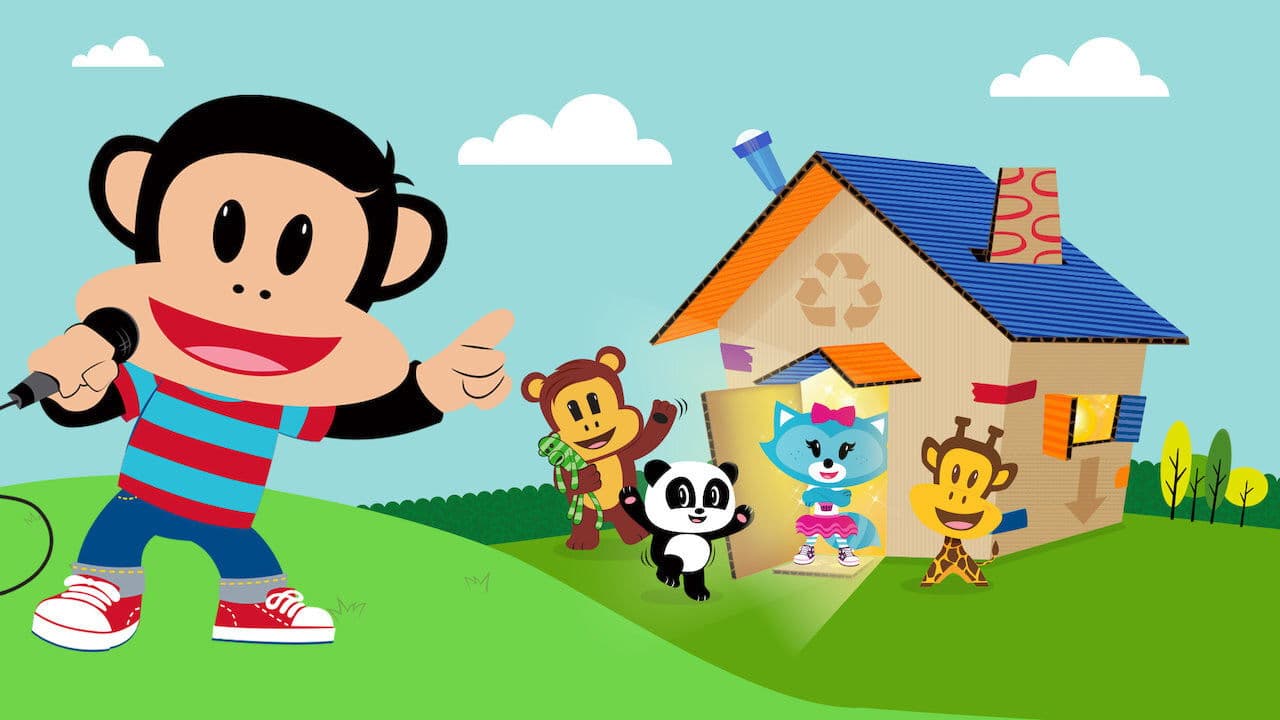
Julius Jr. is a light and colourful animated series, designed with a joyful and inventive atmosphere that evokes the world of toys and childhood imagination. Each episode follows Julius, a young tinkering monkey, and his friends as they solve small everyday problems together through whimsical inventions and cooperation. The series is aimed exclusively at preschool-age children, roughly between two and six years old.
Underlying Values
The series builds its narrative around a few clearly affirmed values: cooperation takes precedence over solitary initiative, each character brings a unique contribution to the group, and mistakes are never punished but presented as a normal step in learning. Julius invents, Clancy supports, Worry Bear eases tensions, Ping maintains enthusiasm, Sheree shares. This distribution of roles is pedagogically coherent for very young children, even if it tends to lock each character into a single function without much development. The implicit message that problems are always resolved without lasting frustration deserves to be nuanced with the child: in real life, some things take time and failure can hurt before it becomes useful.
Social Themes
The series discreetly introduces the notion of self-expression and communication as tools for resolving conflicts. Saying what one feels, listening to others, taking into account ideas different from one's own: these micro social skills are staged repeatedly and accessibly for a nursery school child. It is not a political or ideological treatment, but a concrete introduction to group life that can serve as a starting point for simple conversations about school or family.
Strengths
The series offers a highly stylised and stimulating visual environment, with imaginative settings such as a room of doors leading to unpredictable places, which nurtures the appetite for discovery in very young children. The repetitive narrative structure of each episode is a genuine strength at this age: it creates reassuring landmarks whilst varying the situations. The valorisation of curiosity and resourcefulness as drivers of action gives the characters positive energy without ever tipping into gratuitous agitation.
Age recommendation and discussion points
The series is perfectly suited from age two and can accompany children peacefully until around six years old. After viewing, two simple angles deserve to be explored with the child: asking them what idea they would have had to solve the episode's problem, and reminding them that in real life, failing at something can sometimes be discouraging, and that it is normal to feel that way before trying again.
Synopsis
Paul Frank's fun artwork comes to life in this show that follows monkey Julius Jr. and his friends as they explore the world and help each other out.
About this title
- Format
- TV series
- Year
- 2013
- Countries
- United States of America, Canada
- Original language
- EN
- Directed by
- Katherine Sandford, Holly Huckins
- Main cast
- E. G. Daily, Julie Lemieux
- Studios
- Saban Brands, Brain Power Studio
Content barometer
- Violence0/5None
- Fear0/5None
- Sexuality0/5None
- Language0/5None
- Narrative complexity1/5Accessible
- Adult themes0/5None
Values conveyed
- Courage
- Friendship
- Acceptance of difference
- Perseverance
- Autonomy
- creativity
- cooperation
- empathy