Get Santa
Den magiske juleæske
Get Santa
Den magiske juleæske
Your feedback improves this guide
Your feedback highlights guides that need a second look and keeps the rating trustworthy.
Does this age rating seem accurate to you?
Sign in to vote
Watch-outs
What this film brings
Content barometer
Violence
1/5
Mild
Fear
2/5
A few scenes
Sexuality
0/5
None
Language
0/5
None
Narrative complexity
1/5
Accessible
Adult themes
0/5
None
Expert review
This Christmas animated film blends fantasy adventure with gentle emotion, following a young boy in an orphanage within a mostly warm and magical atmosphere. The sensitive material mainly comes from Julius feeling abandoned, being mocked by an older child, and facing a few moments of danger when Santa disappears and the magical world becomes uncertain. The intensity stays moderate and clearly aimed at children, with no graphic violence and no adult content, yet very sensitive viewers may still react to the orphanage setting, the hero's shaken self confidence, and scenes where Christmas itself seems at risk. These moments appear regularly but do not dominate the film, because the story repeatedly returns to friendship, hope, and visual wonder. I would suggest it from about age 6 for children who can already handle some emotional tension, with parental support if they are especially affected by stories about rejection, sadness, or separation.
Synopsis
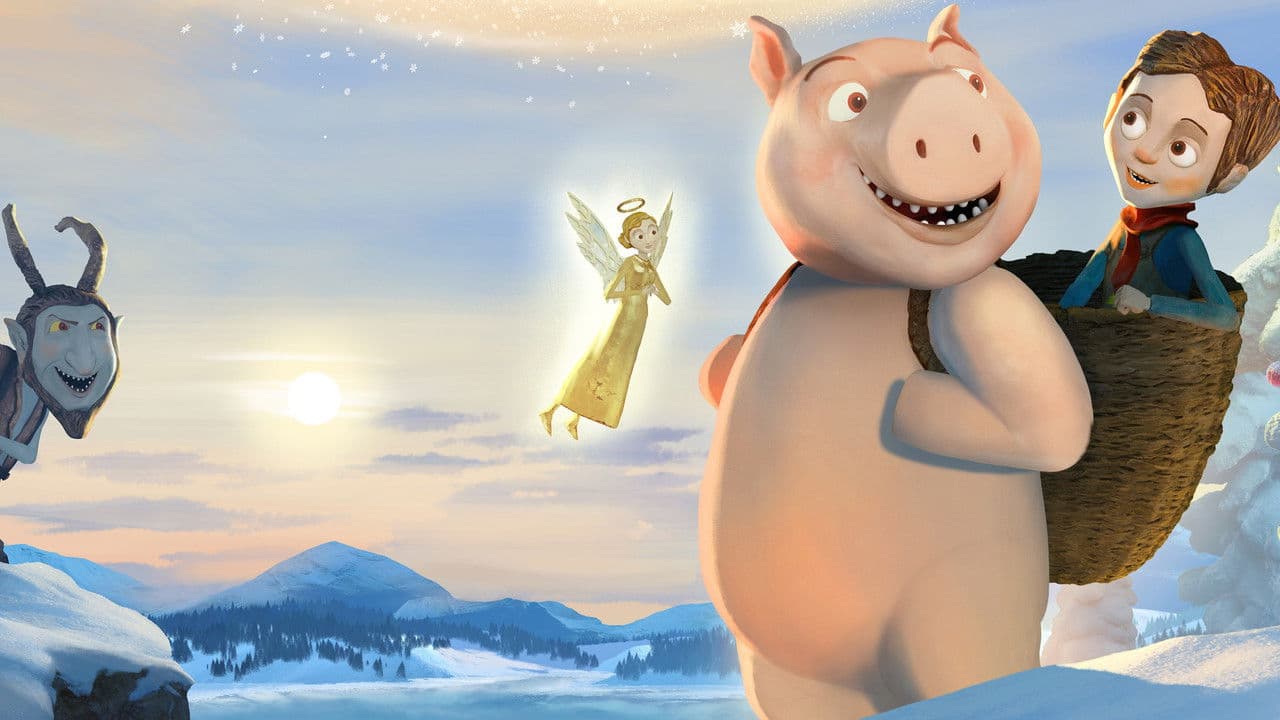
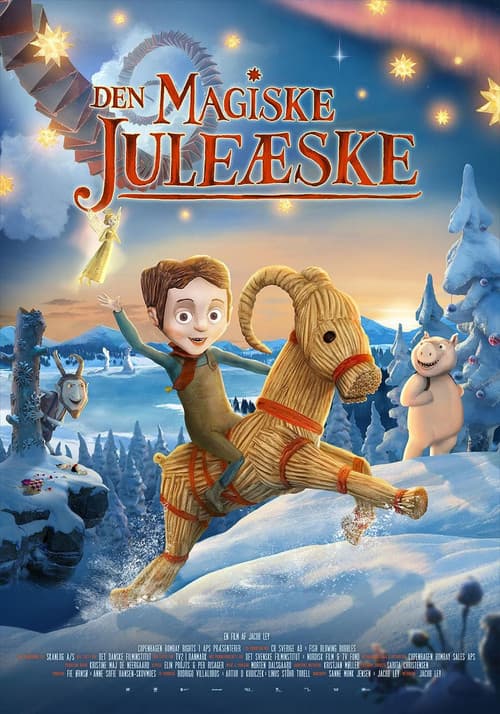
Eight-year old Julius lives at an orphanage. Julius is a bit of an outsider, and secretly still believes in Santa Claus. When he is confronted with the fact that Santa Claus may just be the headmaster of the orphanage dressing up, Julius loses not only his belief in Santa - also his belief in himself. But then something strange happens, and suddenly Julius finds himself in a magic world.
Difficult scenes
The opening setup may already feel emotional for some children, because Julius lives in an orphanage and holds a very personal belief about Santa and his own past. When that belief is challenged, he experiences real sadness and self doubt, which can affect young viewers who are sensitive to themes of abandonment and not having a family around them. An older child is openly jealous and repeatedly mocks Julius. These scenes are more about ridicule and humiliation than physical violence, yet they may feel upsetting for children who have experienced teasing themselves or who strongly identify with the main character. Once Julius enters the magical world, the story introduces several tense moments connected to Santa's disappearance and the need to save Christmas in time. The danger stays firmly within family friendly storytelling, with no harsh imagery, but there are chases, uncertainty, and a clear threat to something children may care about deeply. The film also carries emotional weight through Julius losing confidence in himself. He has to face the possibility that he was wrong, that others do not believe him, and that he might fail, which gives some scenes a sad tone before hope gradually returns.
Where to watch
No verified platform for the US market yet. We keep this section updated as availability changes.
About this title
- Format
- Feature film
- Year
- 2016
- Runtime
- 1h 20m
- Countries
- Denmark, Sweden, Germany
- Original language
- DA
- Directed by
- Jacob Ley
- Main cast
- Rasmus Bjerg, Bodil Jørgensen, Claus Bue, Lars Hjortshøj, Albert Rudbeck Lindhardt, Herman Knop, Malte Houe, Maria Lucia, Uffe Ellemann-Jensen, Flora Ofelia Hofmann Lindahl
- Studios
- Copenhagen Bombay, Fish Blowing Bubbles, Copenhagen Bombay Sverige
Content barometer
Violence
1/5
Mild
Fear
2/5
A few scenes
Sexuality
0/5
None
Language
0/5
None
Narrative complexity
1/5
Accessible
Adult themes
0/5
None
Expert review
This Christmas animated film blends fantasy adventure with gentle emotion, following a young boy in an orphanage within a mostly warm and magical atmosphere. The sensitive material mainly comes from Julius feeling abandoned, being mocked by an older child, and facing a few moments of danger when Santa disappears and the magical world becomes uncertain. The intensity stays moderate and clearly aimed at children, with no graphic violence and no adult content, yet very sensitive viewers may still react to the orphanage setting, the hero's shaken self confidence, and scenes where Christmas itself seems at risk. These moments appear regularly but do not dominate the film, because the story repeatedly returns to friendship, hope, and visual wonder. I would suggest it from about age 6 for children who can already handle some emotional tension, with parental support if they are especially affected by stories about rejection, sadness, or separation.
Synopsis
Eight-year old Julius lives at an orphanage. Julius is a bit of an outsider, and secretly still believes in Santa Claus. When he is confronted with the fact that Santa Claus may just be the headmaster of the orphanage dressing up, Julius loses not only his belief in Santa - also his belief in himself. But then something strange happens, and suddenly Julius finds himself in a magic world.
Difficult scenes
The opening setup may already feel emotional for some children, because Julius lives in an orphanage and holds a very personal belief about Santa and his own past. When that belief is challenged, he experiences real sadness and self doubt, which can affect young viewers who are sensitive to themes of abandonment and not having a family around them. An older child is openly jealous and repeatedly mocks Julius. These scenes are more about ridicule and humiliation than physical violence, yet they may feel upsetting for children who have experienced teasing themselves or who strongly identify with the main character. Once Julius enters the magical world, the story introduces several tense moments connected to Santa's disappearance and the need to save Christmas in time. The danger stays firmly within family friendly storytelling, with no harsh imagery, but there are chases, uncertainty, and a clear threat to something children may care about deeply. The film also carries emotional weight through Julius losing confidence in himself. He has to face the possibility that he was wrong, that others do not believe him, and that he might fail, which gives some scenes a sad tone before hope gradually returns.