Johnny Bravo
Does this age rating seem accurate to you?
Detailed parental analysis
Johnny Bravo is a satirical animated series with a light and burlesque tone, produced for Cartoon Network, whose humour rests entirely on the deconstruction of an archetype of arrogant and narcissistic masculinity. Each episode features a muscular and vain young man who repeatedly attempts to seduce women and systematically meets with harsh rejection or physical retaliation. The series explicitly targets adolescents and young adults, not children, as its second-degree humour and adult references would pass largely over the heads of younger viewers.
Sex and Nudity
Suggestive content is omnipresent and constitutes the driving force of the series. Johnny makes repeated and persistent advances, leafs through adult magazines, and several episodes rely on sexual innuendos constructed around deliberately ambiguous situations, including one episode centred on the notion of virginity itself. Women regularly appear in swimwear in beach contexts. All of this remains suggestive and never explicit, but the frequency and centrality of the subject in every episode means it is the dominant register of the series, not a marginal element. It is precisely this omnipresence that makes viewing unsuitable for young children, even if the parodic codes soften its impact for a discerning adolescent viewer.
Discrimination
The series deliberately features a character who embodies the stereotype of the narcissistic seducer convinced that his physique gives him an automatic right to women's attention and affection. This stereotype is the series' explicit subject, not a misrepresentation. The parodic intention is clear: Johnny is systematically ridiculed, rejected and beaten. However, the limit of this satire lies in the fact that Johnny learns nothing from his failures and starts again indefinitely, which can, depending on the viewer's age, produce two very different readings: the clear mockery of absurd behaviour, or a normalisation through repetition. This point deserves explicit discussion with an adolescent after viewing.
Underlying Values
The narrative structure of the series poses a simple but real moral problem: Johnny harasses, ignores signals of refusal, and never evolves. The series chooses to punish this behaviour through comic violence rather than making him reflect or change, which is consistent with parodic logic but leaves the viewer without a resolved moral arc. Johnny's individualism, his relationship with appearance as a supreme value and his inability to accept refusal are traits that can fuel a constructive conversation about what the series says of masculinity, social expectations and one's relationship with others.
Violence
Violence is omnipresent in the form of cartoon burlesque: Johnny is struck, thrown into the air, electrocuted or crushed according to the codes of animated slapstick. It is without gore, without realism and without narrative gravity, clearly in the tradition of comic animation. Its function is both punitive and comic, and it constitutes the systematic payoff of failed seduction attempts. For a child too young, the frequency and lightness with which this violence is presented as a normal response to unwanted behaviour may warrant a brief parental comment.
Strengths
The series possesses a remarkable consistency of tone and effective satirical writing for those who understand its mechanics. The writing of secondary characters, often more clever and autonomous than Johnny, is careful. In terms of comic construction, the repetition of the failure-punishment scheme works as an assumed parody mechanism that requires a certain maturity to be fully appreciated. For an adolescent capable of reading irony at second degree, the series offers a model of ridiculed masculinity that can serve as a useful entry point into a reflection on gender stereotypes, provided that this reading is accompanied.
Age recommendation and discussion points
The series is not recommended before the age of 12 due to the density of sexual innuendos and the complexity of second-degree humour necessary to understand its satirical scope. For an adolescent aged 13 to 14 and above, viewing is relevant provided it is discussed: why does Johnny never change despite his repeated failures, and does the fact of laughing at his behaviour really denounce it?
Synopsis
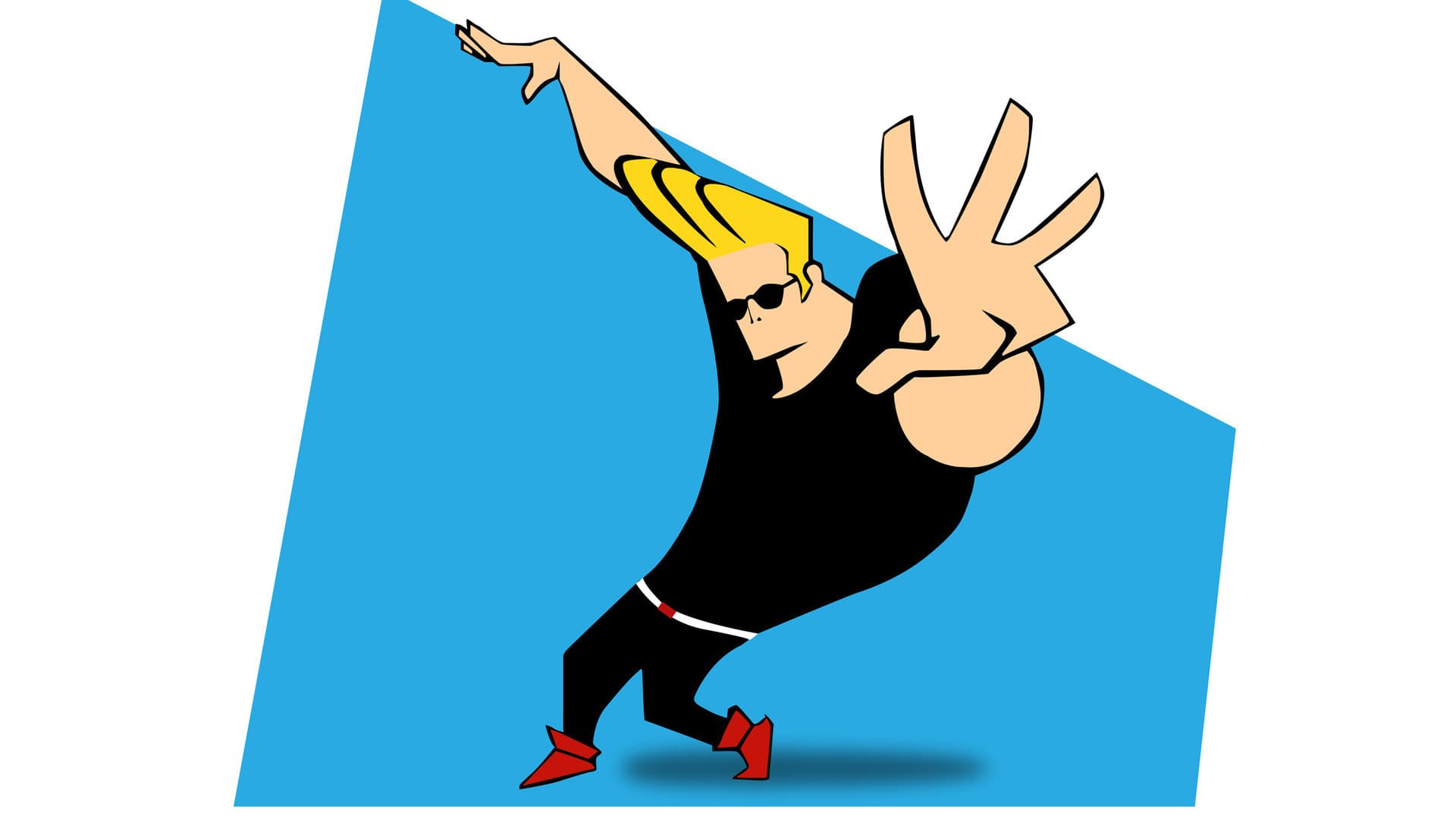
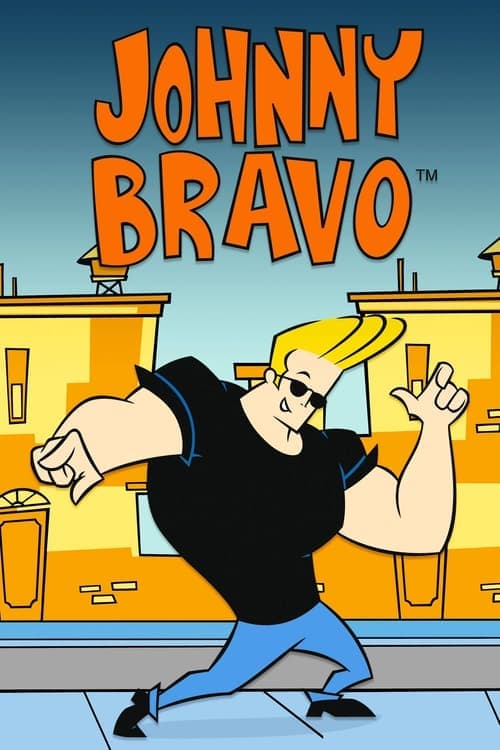
Johnny Bravo tells the story of a biceps-bulging, karate-chopping free spirit who believes he is a gift from God to the women of the earth. Unfortunately for Johnny, everyone else sees him as a narcissistic Mama's boy with big muscles and even bigger hair. In short, he is the quintessential guy who 'just doesn't get it.' No matter what he does, or where he finds himself, he always winds up being his own worst enemy.
About this title
- Format
- TV series
- Year
- 1997
- Countries
- United States of America
- Original language
- EN
- Directed by
- Van Partible
- Main cast
- Jeff Bennett, Brenda Vaccaro, Mae Whitman, Tom Kenny
- Studios
- Hanna-Barbera Cartoons, Cartoon Network Studios
Content barometer
- Violence2/5Moderate
- Fear1/5Mild
- Sexuality3/5Moderate
- Language1/5Mild
- Narrative complexity1/5Accessible
- Adult themes1/5Mild
Watch-outs
- Bullying
- Gender stereotypes
- Mockery
- Sexuality
- Violence
Values conveyed
- humor
- consequences
- self awareness