
James and the Giant Peach
James and the Giant Peach
Your feedback improves this guide
Your feedback highlights guides that need a second look and keeps the rating trustworthy.
Does this age rating seem accurate to you?
Sign in to vote
Watch-outs
What this film brings
Content barometer
Violence
2/5
Moderate
Fear
3/5
Notable tension
Sexuality
0/5
None
Language
1/5
Mild
Narrative complexity
1/5
Accessible
Adult themes
0/5
None
Expert review
James and the Giant Peach is a fantasy adventure with a whimsical style, but it also carries a darker emotional layer built around grief, loneliness, and threatening adults. The main sensitive elements are the very early death of James's parents, ongoing emotional abuse from his cruel aunts, and several suspenseful scenes involving danger, chases, and frightening creatures or visions. The film is highly stylized and not graphic, yet the fear factor is stronger and more frequent than in gentler preschool animation, especially for children who react strongly to loss or hostile authority figures. For that reason, it works better a little above the algorithmic baseline, ideally with a parent present to reassure younger viewers during the sad opening and the more intense fantasy sequences. It can help to explain beforehand that the story uses imaginative images to represent fear and resilience, and that James gradually finds safety, friendship, and hope.
Synopsis
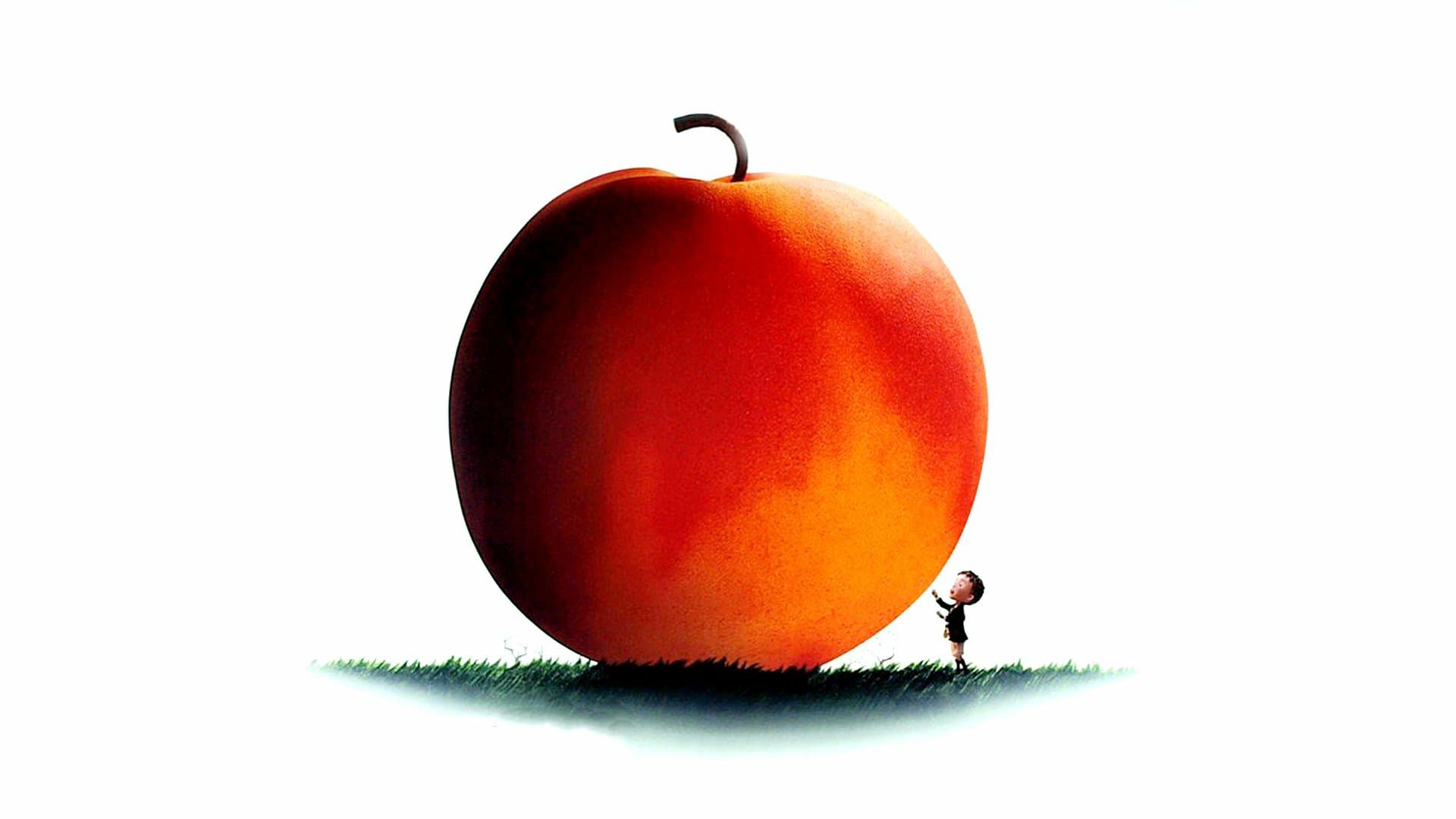
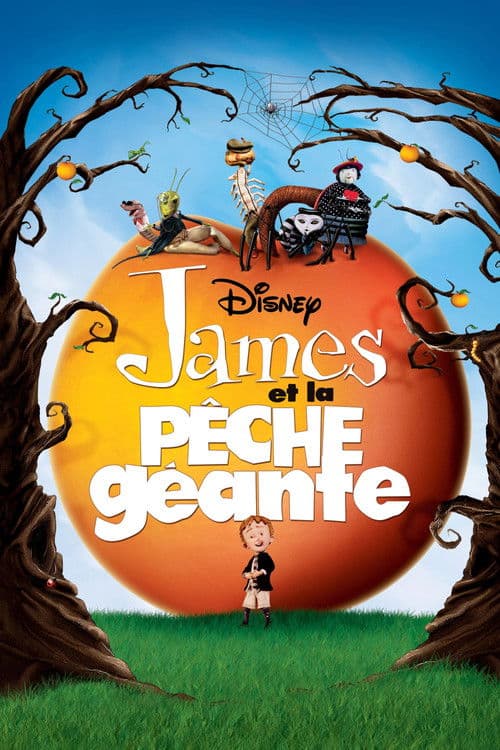
When the young orphan boy James spills a magic bag of crocodile tongues, he finds himself in possession of a giant peach that flies him away to strange lands.
Difficult scenes
Very early in the film, James's parents are said to have died, and the loss is described clearly even though it is not shown in a graphic or realistic way. For a young child, the idea of a boy suddenly losing his family may be more upsetting than the visuals themselves, especially because it sets a sad and insecure emotional tone from the start. James is treated cruelly by his two aunts, who belittle him, exploit him, and intimidate him verbally on a repeated basis. This emotional abuse is not extreme in visual terms, but it can strongly affect children who are sensitive to unfairness, because the hero seems isolated, powerless, and deprived of warmth for a significant part of the opening act. Several adventure sequences create a genuine sense of danger, with falls, sudden movement, attacks, and moments when the characters seem close to disaster. The film remains imaginative and playful overall, yet the darker imagery, hectic pacing, and threatening creatures may linger in the minds of children under about seven or eight. The rhinoceros acts as a recurring fear image, almost like a nightmare figure connected to James's trauma. Its presence is symbolic rather than graphic, but its sudden appearances and its link to parental loss can be quite intense for children who are easily frightened by monsters, storms, or looming threats.
Where to watch
No verified platform for the US market yet. We keep this section updated as availability changes.
Availability checked on Apr 01, 2026
About this title
- Format
- Feature film
- Year
- 1996
- Runtime
- 1h 20m
- Countries
- United States of America
- Original language
- EN
- Directed by
- Henry Selick
- Main cast
- Paul Terry, Miriam Margolyes, Joanna Lumley, Pete Postlethwaite, Simon Callow, Richard Dreyfuss, Jane Leeves, Susan Sarandon, David Thewlis, Steven Culp
- Studios
- Allied Filmmakers, Walt Disney Pictures
Content barometer
Violence
2/5
Moderate
Fear
3/5
Notable tension
Sexuality
0/5
None
Language
1/5
Mild
Narrative complexity
1/5
Accessible
Adult themes
0/5
None
Expert review
James and the Giant Peach is a fantasy adventure with a whimsical style, but it also carries a darker emotional layer built around grief, loneliness, and threatening adults. The main sensitive elements are the very early death of James's parents, ongoing emotional abuse from his cruel aunts, and several suspenseful scenes involving danger, chases, and frightening creatures or visions. The film is highly stylized and not graphic, yet the fear factor is stronger and more frequent than in gentler preschool animation, especially for children who react strongly to loss or hostile authority figures. For that reason, it works better a little above the algorithmic baseline, ideally with a parent present to reassure younger viewers during the sad opening and the more intense fantasy sequences. It can help to explain beforehand that the story uses imaginative images to represent fear and resilience, and that James gradually finds safety, friendship, and hope.
Synopsis
When the young orphan boy James spills a magic bag of crocodile tongues, he finds himself in possession of a giant peach that flies him away to strange lands.
Difficult scenes
Very early in the film, James's parents are said to have died, and the loss is described clearly even though it is not shown in a graphic or realistic way. For a young child, the idea of a boy suddenly losing his family may be more upsetting than the visuals themselves, especially because it sets a sad and insecure emotional tone from the start. James is treated cruelly by his two aunts, who belittle him, exploit him, and intimidate him verbally on a repeated basis. This emotional abuse is not extreme in visual terms, but it can strongly affect children who are sensitive to unfairness, because the hero seems isolated, powerless, and deprived of warmth for a significant part of the opening act. Several adventure sequences create a genuine sense of danger, with falls, sudden movement, attacks, and moments when the characters seem close to disaster. The film remains imaginative and playful overall, yet the darker imagery, hectic pacing, and threatening creatures may linger in the minds of children under about seven or eight. The rhinoceros acts as a recurring fear image, almost like a nightmare figure connected to James's trauma. Its presence is symbolic rather than graphic, but its sudden appearances and its link to parental loss can be quite intense for children who are easily frightened by monsters, storms, or looming threats.