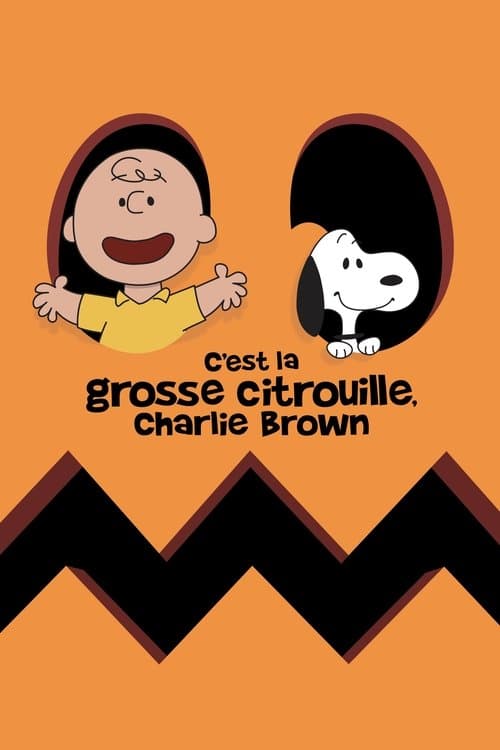
It's the Great Pumpkin, Charlie Brown
Does this age rating seem accurate to you?
Detailed parental analysis
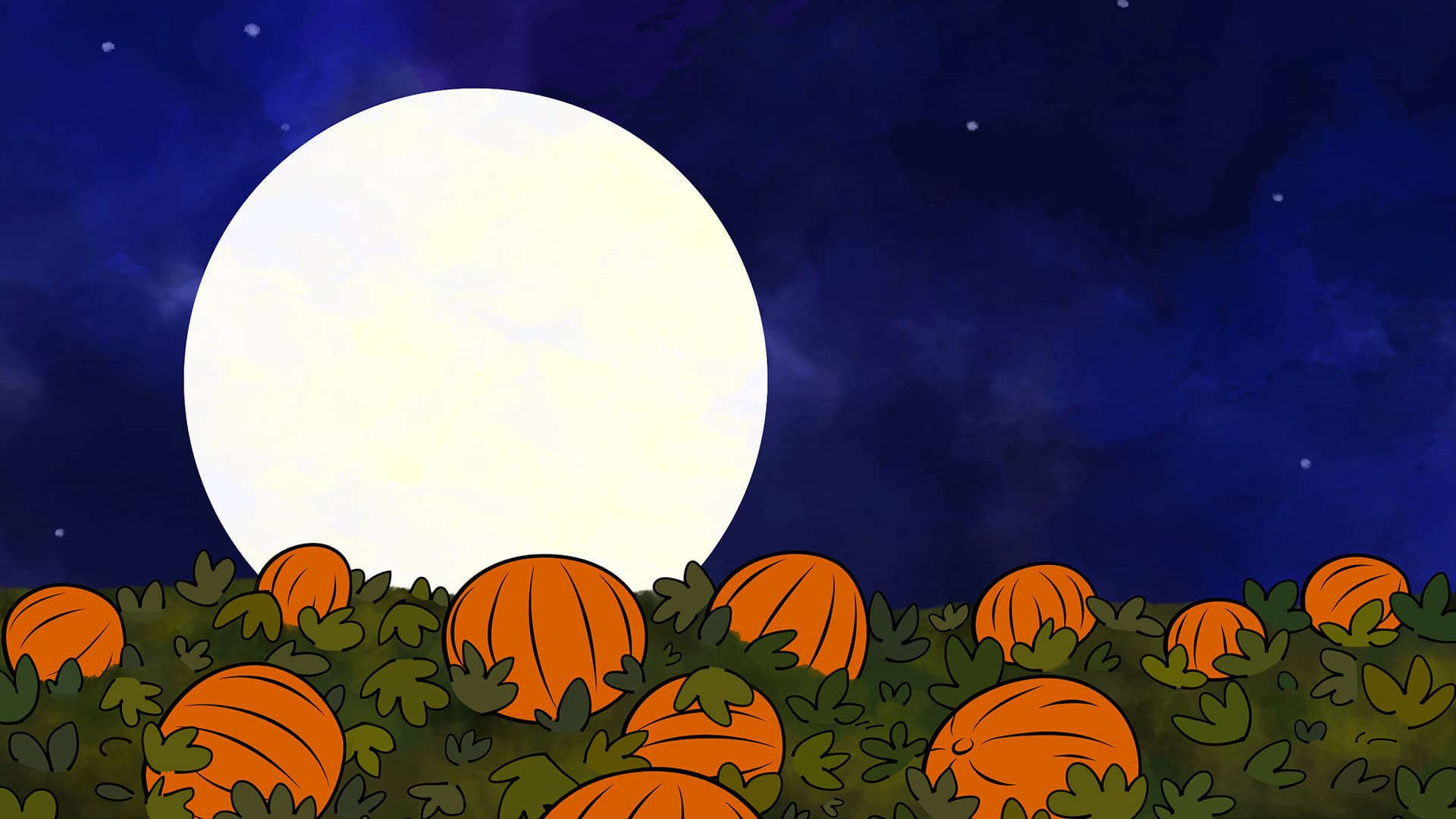
A 25-minute animated short film, cheerful and gently melancholic, this Halloween special is a cornerstone of American popular culture, broadcast without interruption since its creation. The plot follows the neighbourhood children preparing to trick-or-treat on Halloween night, whilst Linus keeps vigil alone in a pumpkin patch, waiting for the appearance of a mythical figure in whom only he believes. Intended for young children and families, it has transcended generations as both a seasonal ritual and a genuine object of cultural transmission.
Underlying Values
The narrative thread is the question of sincere faith in the face of general scepticism. Linus forgoes sweets, fancy dress, and collective celebration to remain faithful to a belief that no one around him shares, and the film does not punish him for this; he awakens in the morning with his conviction intact, ready to do it again the following year. This portrait of perseverance and resistance to peer pressure is rare in children's programming and deserves to be flagged positively. In counterpoint, Charlie Brown's story illustrates repeated failure without the narrative offering any resolution, which lends the special an assumed bittersweet tone. Lucy's quiet generosity, asking for extra sweets for her absent brother and then going to fetch him in the middle of the night without complaint, adds nuance to a character usually presented as a bubble of emotional authoritarianism.
Language
Insults are frequent and normalised throughout the special: the characters call each other 'stupid', 'crazy', 'blockhead' or 'idiot' without the narrative reacting to this or offering any correction. This is not vulgar speech in the strict sense, but the repetition of these terms, always delivered in a comedic tone, can normalise the idea that mocking others is an acceptable form of humour amongst children. A brief conversation about this mechanism may be helpful with younger viewers.
Violence
Violence is light and entirely cartoonish. Lucy pulls the football away from Charlie Brown at the last moment and he falls backwards, a recurring gag from the series. She threatens to 'hit' other characters twice, and the butchering of the pumpkin with a meat cleaver leads to an intentionally absurd line from Linus. None of these elements exceed the register of classic cartoon fare and should not cause concern, but very young children may find Lucy's physical threat slightly intimidating.
Discrimination
All the characters presented are implicitly white, a reflection of a 1960s production that does not interrogate this homogeneity. This is not active caricatural representation, but an invisibility by default that can be mentioned in context if the child is curious to understand why animated shows from that era look the way they do.
Strengths
The special holds up remarkably well over time: its writing is economical, each character has a clear function, and the structure of two parallel threads, collective celebration on one side and solitary vigil on the other, creates a gentle tension without ever forcing pathos. Vince Guaraldi's jazz score has become inseparable from the programme's emotional identity and contributes to its atmosphere of both festiveness and gentle nostalgia. The figure of Linus, a child who is both learned and vulnerable, offers an uncommon representation of emotional intelligence in the masculine sense within children's animation. The absence of triumphant resolution, particularly for Charlie Brown, marks a departure from genre conventions and gives the special a narrative honesty that children perceive intuitively.
Age recommendation and discussion points
The special is suitable from age 4 or 5 and can be watched as a family without major reservations. Two angles of discussion are worth exploring after viewing: ask the child what they think of Linus's decision to stay alone in the field despite mockery, to explore with them the difference between sincere conviction and stubbornness; and return to the insults exchanged between characters to ask them whether these words seem funny or hurtful to them, and why the animated show does not react to them.
Synopsis
Join the Peanuts gang for a timeless adventure as Charlie Brown preps for a party, Snoopy sets his sights on the Red Baron, and Linus patiently awaits a pumpkin patch miracle.
About this title
- Format
- Short film
- Year
- 1966
- Runtime
- 25m
- Countries
- United States of America
- Original language
- EN
- Studios
- United Feature Syndicate, Bill Melendez Productions, Lee Mendelson Film Productions
Content barometer
- Violence1/5Mild
- Fear1/5Mild
- Sexuality0/5None
- Language2/5Moderate
- Narrative complexity0/5Simple
- Adult themes0/5None
Watch-outs
- Bullying
- Mockery
Values conveyed
- Courage
- Friendship
- Acceptance of difference
- Perseverance
- imagination
- Halloween