
Inside Out 2
Does this age rating seem accurate to you?
Detailed parental analysis
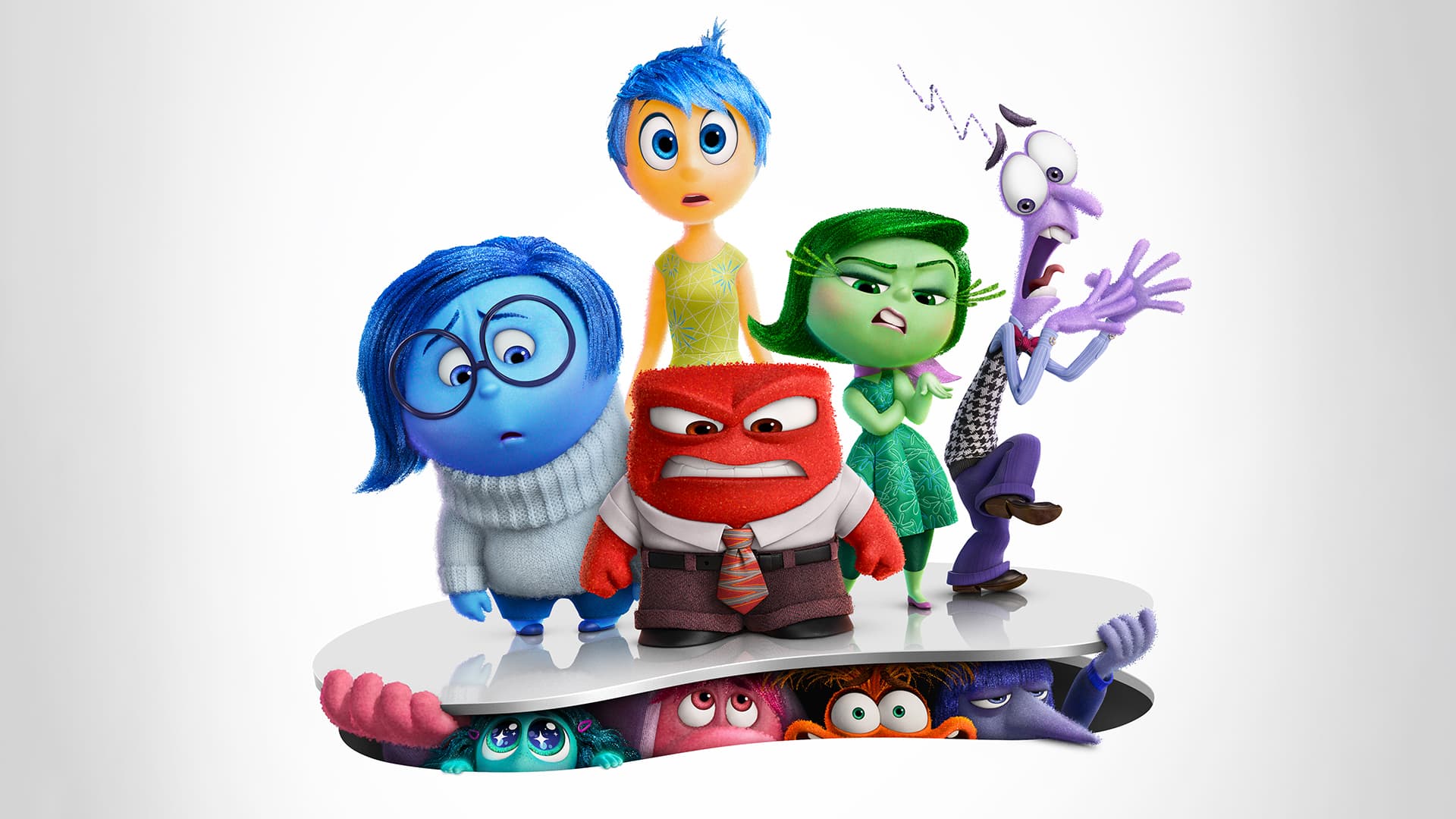
Inside Out 2 is a Pixar animated comedy with a vibrant, colourful atmosphere, punctuated by moments of genuine emotional tension. The plot follows Riley, now a teenager, whose inner world is upended by the arrival of new emotions, chief among them Anxiety. The film targets a broad family audience, but its deeper themes—identity formation, performance pressure and anxiety management—speak primarily to pre-teens and their parents.
Underlying Values
The film builds its central message around a powerful idea: no emotion is inherently bad, and attempting to eliminate certain emotions to keep only the most comfortable ones leads to a fragile and impoverished identity. Anxiety is not presented as an enemy to be defeated but as a useful force that derails when it takes up too much space. This framing is intellectually honest and avoids the usual black-and-white thinking of the genre. However, the film strongly valorises athletic performance and membership in an elite group as drivers of Riley's self-development, which deserves to be noted: the pressure to succeed, to be selected, to measure up, is the fuel of the plot without ever truly being questioned as such.
Social Themes
The film addresses adolescent anxiety head-on, including in its most acute form: a panic attack depicted with unusual realism for mainstream animation. Riley hyperventilates, trembles and feels overwhelmed during a hockey match, in a sequence that does not seek to downplay the experience. This representation gives visual and emotional language to something many children and teenagers live through without being able to name it. It is a courageous narrative choice, but it may surprise or unsettle younger children who do not yet have the tools to contextualise what they are seeing.
Parental and Family Portrayals
Riley's parents are present, caring and attentive, without being idealised. They are not at the centre of the narrative but their role as a safety net is consistent and credible. The film features neither family dysfunction nor marked generational conflict, which is notable in a story about adolescence: the tension plays out entirely within Riley, not against her parents.
Strengths
The film achieves what few mainstream animations attempt: making the inner mechanics of a panic attack visible and comprehensible, without overdramatising it or trivialising it. The metaphor of emotions as characters is taken further than in the first film, with solid internal consistency that allows both children and adults to project their own experiences. The writing avoids overly neat resolutions: Riley does not heal, she learns to coexist with her contradictions, which is an emotionally honest conclusion. For a parent, the film offers a concrete opening to discuss anxiety, academic or sporting pressure, and the construction of self-identity in adolescence, without the conversation having to start from scratch.
Age recommendation and discussion points
The film is accessible from age 7 or 8 for viewing, but its richest themes, particularly the panic attack and identity pressure, take on their full meaning from age 10 onwards, when children begin to experience these tensions from within. Two discussion angles are worth exploring after the film: ask your child which emotion most resembles them right now and why, and explore together whether the pressure Riley feels to be part of the best team seems normal or excessive to them.
Synopsis
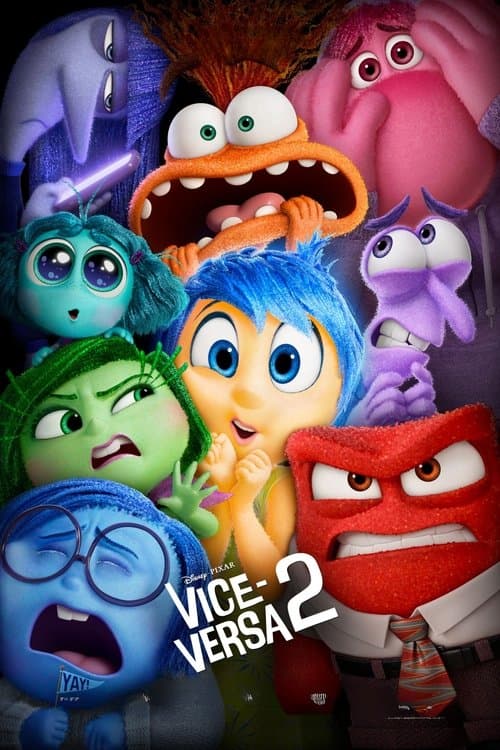
Teenager Riley's mind headquarters is undergoing a sudden demolition to make room for something entirely unexpected: new Emotions! Joy, Sadness, Anger, Fear and Disgust, who’ve long been running a successful operation by all accounts, aren’t sure how to feel when Anxiety shows up. And it looks like she’s not alone.
About this title
- Format
- Feature film
- Year
- 2024
- Runtime
- 1h 37m
- Countries
- United States of America
- Original language
- EN
- Studios
- Pixar
Content barometer
- Violence0/5None
- Fear2/5A few scenes
- Sexuality0/5None
- Language0/5None
- Narrative complexity1/5Accessible
- Adult themes0/5None
Values conveyed
- Friendship
- Acceptance of difference
- Perseverance
- Autonomy
- emotional awareness
- empathy
- self acceptance