
Inazuma Eleven
イナズマイレブン
Does this age rating seem accurate to you?
Detailed parental analysis
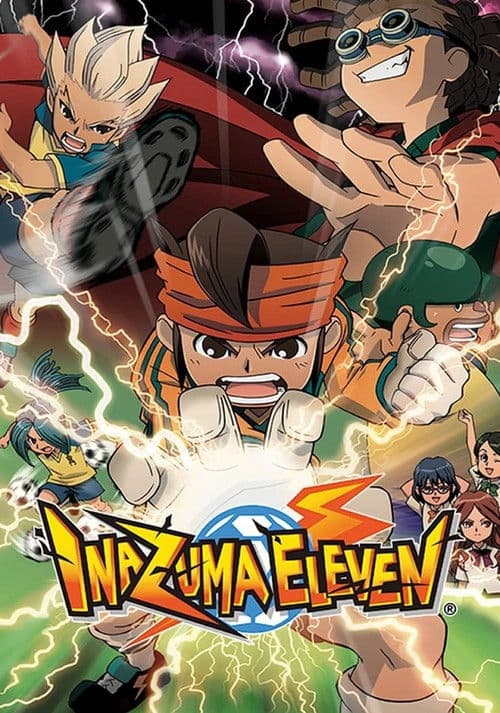
Inazuma Eleven is a sports adventure animated series with a dynamic and resolutely optimistic atmosphere, adapted from the video game franchise of the same name. The plot follows a passionate young goalkeeper who must rebuild a team on the brink of dissolution to rise to increasingly ambitious challenges. The target audience is clearly children and pre-adolescents, with an accessible tone and conventions specific to Japanese sports anime.
Underlying Values
The narrative is entirely structured around perseverance, collective effort and self-improvement. Teamwork is presented as the sine qua non of success, and the leadership figures valued are those who bring together rather than those who dominate. Family heritage plays a driving role, with the protagonist drawing his determination from the example of an admired grandfather. This system of values is coherent and well anchored in the narration, without notable internal contradiction. A useful point of discussion lies in the place given to sporting performance as an identity driver: the film merits questioning the child about what effort and belonging to a team are worth independently of the result.
Violence
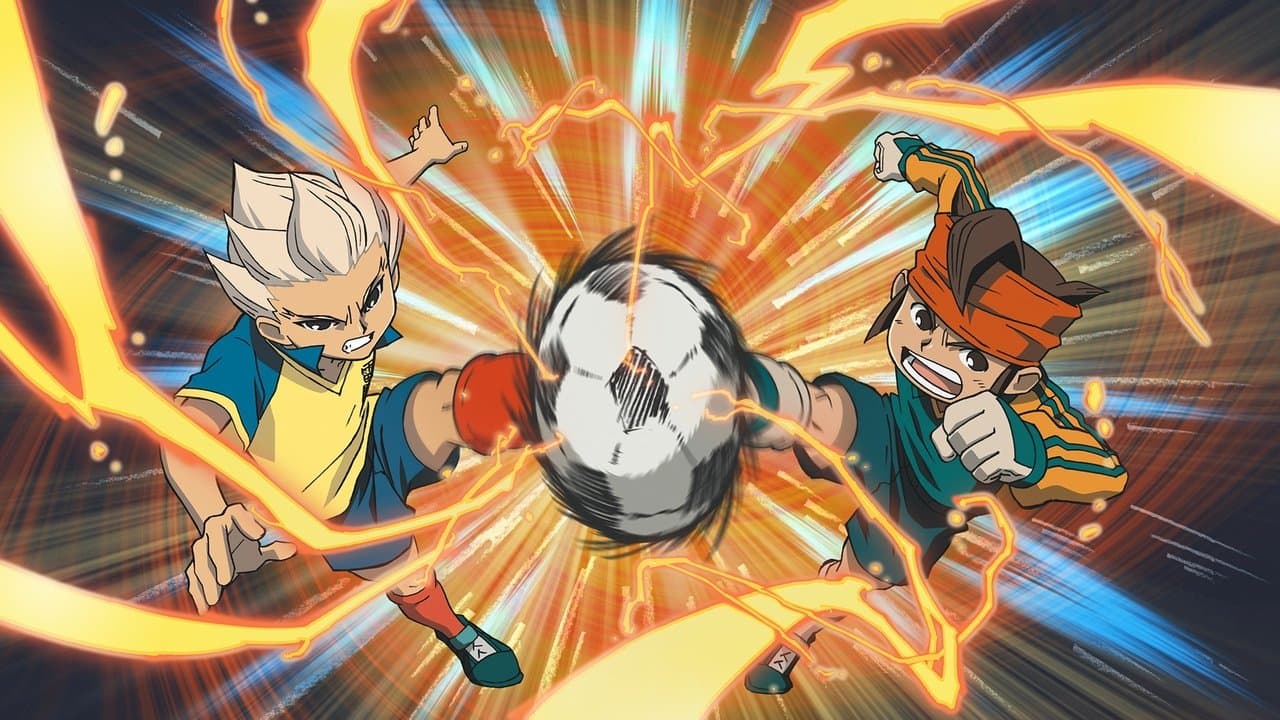
Violence manifests itself in two distinct forms. On one hand, sporting confrontations include stylised and exaggerated special techniques, in the tradition of the genre, with no realistic or gory intent. On the other, scenes of intimidation show stronger characters hitting or shoving smaller children. These bullying sequences are narratively functional as they establish the obstacles the protagonists must overcome, but they remain concrete and repeated. Overall it falls well short of any threshold of concern for a child audience, and violent acts are never presented as admirable or desirable.
Language
The film contains mild insults and derogatory vocabulary, mainly in the mouths of antagonists or in contexts of intimidation. These expressions remain in a common childish register and serve the characterisation of the bullies rather than constituting a model. Nothing that exceeds what a primary school age child does not already encounter in their schoolyard.
Parental and Family Portrayals
The most striking parental figure is that of the grandfather, present implicitly as a source of inspiration and legitimacy. This model of intergenerational transmission is treated with care and gives the main character a simple yet touching emotional depth. Direct parental figures remain secondary, without particularly developed portrayal in either direction.
Strengths
The film succeeds in making collective sport genuinely thrilling for young viewers by combining accessible stakes, endearing characters and clear narrative progression. The mechanics of special techniques, borrowed from the codes of Japanese action anime, maintains an effective pace that captures attention without falling into excess. The emotional dimension linked to the grandfather's legacy gives depth to the protagonist and offers sincere emotional grounding. The film also functions as a good introduction to the dramatic mechanics of competitive sport: defeat, doubt, reconstruction and team solidarity are treated with an honesty suited to the target age.
Age recommendation and discussion points
The film is suitable from age 7 without reservation, and fully relevant until around age 12. Two angles are worth discussing after viewing: how does the team manage to overcome the bullies without itself reproducing violence, and what truly motivates the protagonist, victory or loyalty to something greater than himself?
Synopsis
Mamoru Endou is a cheerful goalkeeper in Raimon Jr High, with six other players in the team. But there was a day when the team was almost lead to disbandment by Natsumi unless they are able to win the match against the Teikoku Gakuen, currently the best team in Japan. He tried to save the club by gathering four more players to join the team.
Where to watch
Availability checked on Apr 27, 2026
About this title
- Format
- TV series
- Year
- 2008
- Runtime
- 24m
- Countries
- Japan
- Original language
- JA
- Main cast
- Yuka Terasaki, Takashi Ohara, Mitsuki Saiga, Yu Kobayashi, Aya Endo
- Studios
- LEVEL5, TV Tokyo, OLM
Content barometer
- Violence2/5Moderate
- Fear1/5Mild
- Sexuality0/5None
- Language1/5Mild
- Narrative complexity1/5Accessible
- Adult themes0/5None
Watch-outs
- Bullying
- Mockery
- Violence
Values conveyed
- Courage
- Perseverance
- Loyalty
- friendship
- teamwork