In Your Dreams
Does this age rating seem accurate to you?
Detailed parental analysis
In Your Dreams is a family film with an atmosphere that oscillates between the whimsical and the unsettling, punctuated by dream sequences that are alternately absurd and frankly anxiety-inducing. The story follows children who plunge into the world of dreams to confront their fears and navigate a difficult family situation. The film is aimed at children from primary school age onwards, but its emotional treatment goes beyond what the youngest viewers can comfortably absorb.
Parental and Family Portrayals
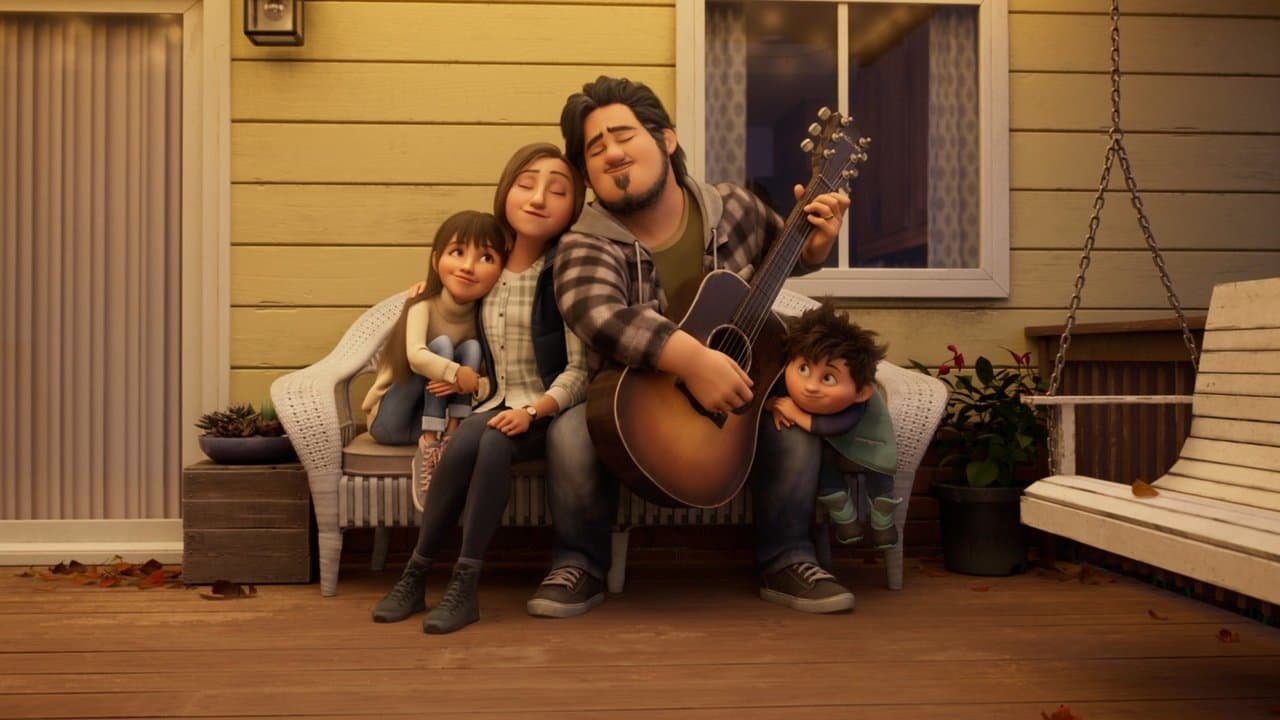
Parental separation lies at the heart of the film and constitutes its primary emotional engine. The narrative actively normalises the idea of imperfect and struggling parents, which can be reassuring for children experiencing a similar situation, but can also destabilise those who have not yet been confronted with it. The father is regularly presented as clumsy and out of his depth, whilst the mother embodies the stable and responsible figure. This imbalance is not questioned by the film; it is established as a comic observation, which is worth noting with the child to avoid reinforcing a caricatured view of parental roles.
Violence
Violence remains slapstick and without gore, with the exception of one notable scene in which a giant sausage bites another sausage and blood appears. Falls, collisions and hammer blows to the children are treated in comic fashion, in the tradition of cartoon animation. Sequences of symbolic execution, with children depicted as hanged, do however cross a visual threshold that can affect the more sensitive, even within a dream context. Overall there is no real violent outcome, but the accumulation of these images in a film presented as family-friendly warrants some preparation for certain children.
Underlying Values
The film values sibling bonds, mutual support between children facing hardship, and the capacity to accept what cannot be changed, particularly the family situation. These values are conveyed with sincerity and constitute the film's best aspect on a moral level. Between the lines, the narrative suggests that children must find resources within themselves and amongst themselves when adults are failing, which is a resilient lesson but which can also, for a vulnerable child, reinforce a sense of abandonment that needs to be discussed after viewing.
Discrimination
The representation of the father as a character who is systematically clumsy and incompetent in contrast with a competent and serious mother reproduces a well-identified gender stereotype in family fiction. This pattern is not questioned by the film, which uses it as a comic device without critical distance. This is a useful angle to explore with children, especially if they have a present and involved father in their daily lives.
Sex and Nudity
Children appear nude in dream sequences, with genitalia censored, and a child's bottom is visible during a comic scene. The context is entirely free of any sexual connotation and falls within the realm of schoolboy humour. The mention is useful for parents who wish to anticipate questions it may raise with younger viewers.
Language
The language is generally clean. A few informal or mild terms, without strong profanity or actual insults, and the name of God used in vain a few times. This point is minor and does not warrant particular caution beyond a mention.
Strengths
The film has the rare merit, in fiction aimed at children, of directly addressing the subject of parental separation without softening its emotional weight. The dream structure provides an inventive framework for giving shape to real childhood anxieties, and the dream sequences demonstrate genuine freedom of imagination in their visual construction. The emotional intelligence of the narrative, particularly in the way it gives children a form of agency in the face of a situation they do not control, constitutes its principal strength. This is not a superficial film, and that is precisely what makes it a good starting point for a serious conversation.
Age recommendation and discussion points
The film is best reserved for children aged 8 and above, with particular attention for those who are sensitive to frightening images or who are themselves going through family separation, for whom viewing with a parent is recommended. Two angles of discussion merit being opened after the film: how each child manages their fears at night, and what children feel or imagine when the adults around them are struggling.
Synopsis
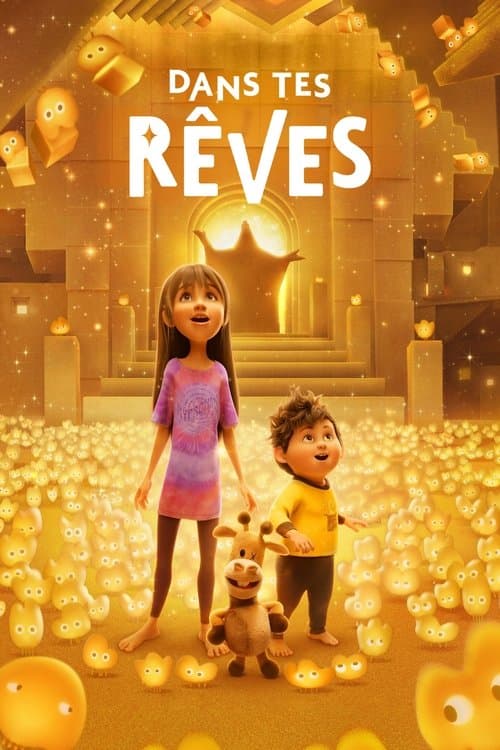
Stevie and her little brother Elliot journey into the wildly absurd landscape of their own dreams to ask the Sandman to grant them the perfect family.
About this title
- Format
- Feature film
- Year
- 2025
- Runtime
- 1h 27m
- Countries
- United States of America
- Original language
- EN
- Directed by
- Alex Woo
- Main cast
- Jolie Hoang-Rappaport, Elias Janssen, Simu Liu, Craig Robinson, Cristin Milioti, Gia Carides, Omid Djalili, SungWon Cho, Zachary Noah Piser, Hailey Magpali
- Studios
- Kuku Studios, Netflix Animation Studios
Content barometer
- Violence2/5Moderate
- Fear3/5Notable tension
- Sexuality1/5Allusions
- Language1/5Mild
- Narrative complexity1/5Accessible
- Adult themes0/5None
Watch-outs
- Gender stereotypes
Values conveyed
- Courage
- Acceptance of difference
- Autonomy
- family
- sibling bond
- imagination