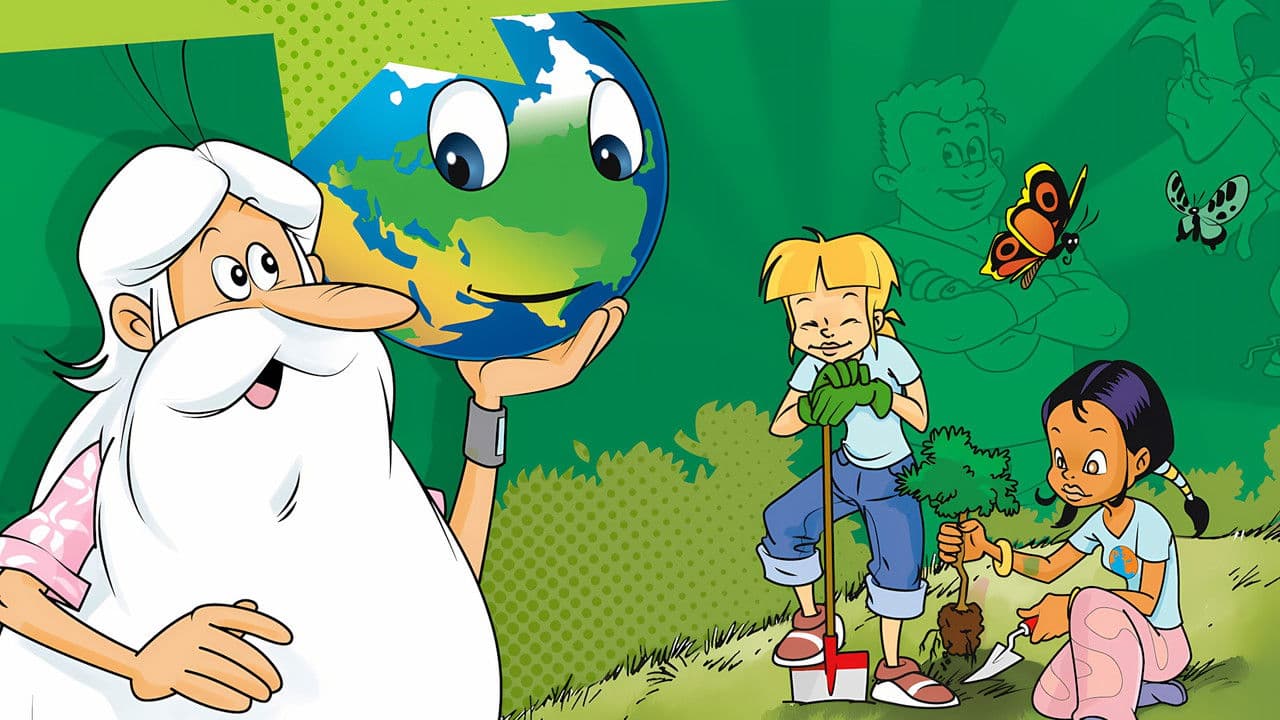

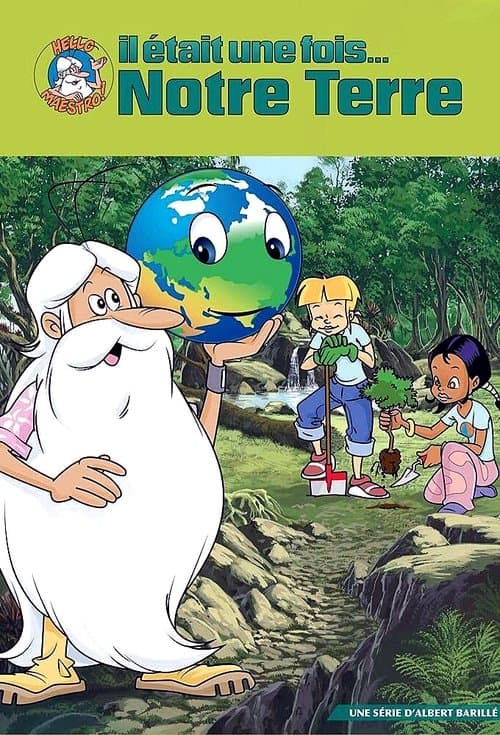
Once Upon a Time... Planet Earth
Once Upon a Time... Planet Earth
Your feedback improves this guide
Your feedback highlights guides that need a second look and keeps the rating trustworthy.
Does this age rating seem accurate to you?
Sign in to vote
Watch-outs
What this film brings
Content barometer
Violence
1/5
Mild
Fear
1/5
Mild
Sexuality
0/5
None
Language
0/5
None
Narrative complexity
1/5
Accessible
Adult themes
0/5
None
Expert review
This educational animated series explores ecology, poverty, child labor, and other global issues in a generally accessible, curious, and solution oriented way. The sensitive material comes mostly from real world topics such as pollution, water shortages, hardship, child soldiers, and scenes showing vulnerable populations, which may cause worry or sadness in younger viewers. The visual intensity stays mild and not graphic, but serious themes appear often across the series, so it works better for children who can process real life problems without feeling overwhelmed. Some cultural portrayals may also feel simplified or dated in certain episodes, though this is not the main focus of the show, and parents may want to add context where the series uses broad educational shortcuts. For a child aged 4, the material is usually too abstract and sometimes emotionally heavy. Watching together is recommended so adults can explain unfair situations, reassure children about the practical solutions presented, and answer questions about war, hunger, and the environment.
Synopsis
Teenagers, the internationally-recognized characters of the series, will be the heroes of adventures in which they will play an active role. They will be a force for change, faced with situations and problems they need to resolve. The series will be based on facts, yet still primarily entertainment. Through their actions, they directly affect their planet and the resources that must be used responsibly and are not inexhaustible. The series will also help younger audiences to understand that pollution, hunger and water shortages are realities with specific causes – rather than inevitable evils to be dreaded, they are battles to be won with solutions to be found.
Difficult scenes
Several episodes show children or families facing poverty, lack of water, or very difficult living conditions. Even though the treatment is educational rather than graphic, hearing characters discuss hunger, scarcity, or injustice may unsettle a young child and lead to anxious questions about the real world. In the segments about child labor and child soldiers, the series refers to exploitation and violence affecting minors. The presentation remains restrained, but simply introducing the idea of children being taken from safety, forced to work, or caught in conflict can feel emotionally heavy for very young viewers. Episodes about climate change, ocean pollution, deforestation, or dwindling resources present concrete threats to the planet and living beings. A sensitive child may mainly remember the idea that Earth is in danger, even though the series also emphasizes solutions, which is why reassuring adult guidance can help. Some passages involve journeys through difficult environments such as the deep sea, the far north, or regions affected by desertification, with mild tension linked to natural danger and the unknown. These scenes are not horror based, but they may still create discomfort for children who strongly react to images of extreme cold, vast emptiness, or hostile nature.
Where to watch
No verified platform for the US market yet. We keep this section updated as availability changes.
About this title
- Format
- TV series
- Year
- 2008
- Countries
- France
- Original language
- FR
- Directed by
- Albert Barillé
- Main cast
- Roger Carel, Annie Balestra, Alain Dorval
- Studios
- Procidis
Content barometer
Violence
1/5
Mild
Fear
1/5
Mild
Sexuality
0/5
None
Language
0/5
None
Narrative complexity
1/5
Accessible
Adult themes
0/5
None
Expert review
This educational animated series explores ecology, poverty, child labor, and other global issues in a generally accessible, curious, and solution oriented way. The sensitive material comes mostly from real world topics such as pollution, water shortages, hardship, child soldiers, and scenes showing vulnerable populations, which may cause worry or sadness in younger viewers. The visual intensity stays mild and not graphic, but serious themes appear often across the series, so it works better for children who can process real life problems without feeling overwhelmed. Some cultural portrayals may also feel simplified or dated in certain episodes, though this is not the main focus of the show, and parents may want to add context where the series uses broad educational shortcuts. For a child aged 4, the material is usually too abstract and sometimes emotionally heavy. Watching together is recommended so adults can explain unfair situations, reassure children about the practical solutions presented, and answer questions about war, hunger, and the environment.
Synopsis
Teenagers, the internationally-recognized characters of the series, will be the heroes of adventures in which they will play an active role. They will be a force for change, faced with situations and problems they need to resolve. The series will be based on facts, yet still primarily entertainment. Through their actions, they directly affect their planet and the resources that must be used responsibly and are not inexhaustible. The series will also help younger audiences to understand that pollution, hunger and water shortages are realities with specific causes – rather than inevitable evils to be dreaded, they are battles to be won with solutions to be found.
Difficult scenes
Several episodes show children or families facing poverty, lack of water, or very difficult living conditions. Even though the treatment is educational rather than graphic, hearing characters discuss hunger, scarcity, or injustice may unsettle a young child and lead to anxious questions about the real world. In the segments about child labor and child soldiers, the series refers to exploitation and violence affecting minors. The presentation remains restrained, but simply introducing the idea of children being taken from safety, forced to work, or caught in conflict can feel emotionally heavy for very young viewers. Episodes about climate change, ocean pollution, deforestation, or dwindling resources present concrete threats to the planet and living beings. A sensitive child may mainly remember the idea that Earth is in danger, even though the series also emphasizes solutions, which is why reassuring adult guidance can help. Some passages involve journeys through difficult environments such as the deep sea, the far north, or regions affected by desertification, with mild tension linked to natural danger and the unknown. These scenes are not horror based, but they may still create discomfort for children who strongly react to images of extreme cold, vast emptiness, or hostile nature.