
Once Upon a Time... Life
Once Upon a Time... Life
Your feedback improves this guide
Your feedback highlights guides that need a second look and keeps the rating trustworthy.
Does this age rating seem accurate to you?
Sign in to vote
What this film brings
Content barometer
Violence
1/5
Mild
Fear
1/5
Mild
Sexuality
0/5
None
Language
0/5
None
Narrative complexity
1/5
Accessible
Adult themes
0/5
None
Expert review
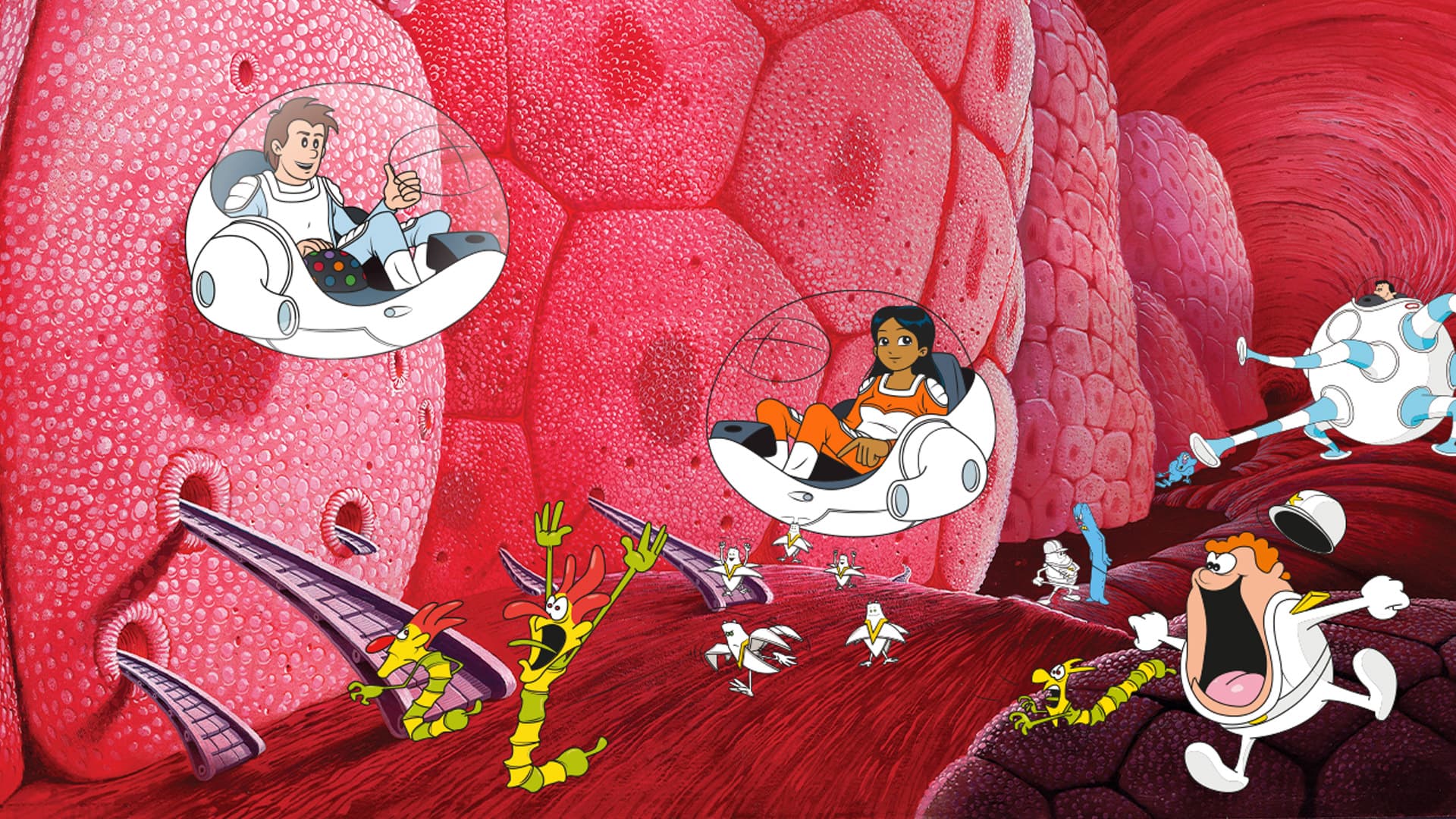
This animated series uses a playful, adventurous and strongly educational approach to explain how the human body works through personified cells, organs and germs. Sensitive content is limited to symbolic battles between immune defenses and invading viruses or bacteria, along with occasional scenes involving illness, minor injury or internal danger that may unsettle very young viewers. The intensity stays low to moderate, with no graphic realism, no sexual content, no meaningful coarse language and no substance use, so the overall experience is reassuring for children. Some episodes may still prompt questions about pain, contamination, birth, aging or death, depending on the medical topic being explored. For parents, the best support is to watch a few episodes together first, see how the child reacts to the villainous microbes, and use the tense moments as gentle opportunities to talk about health and the body.
Synopsis
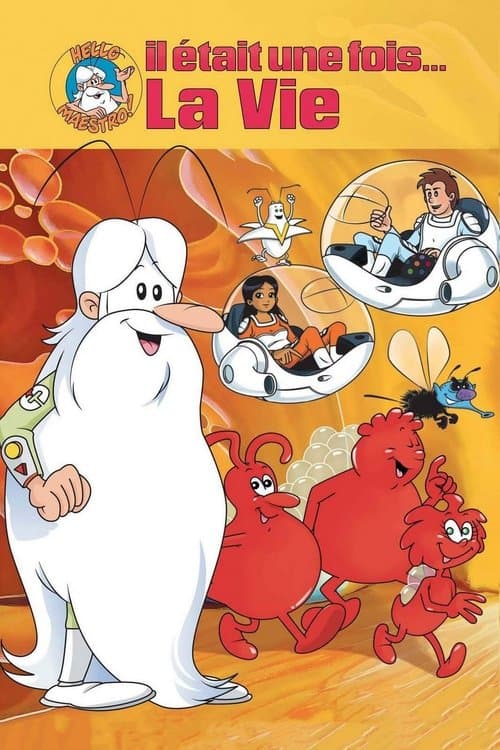
Attention please! Are you ready for an adventurous tour through the human body? With a lot of humour, our physical appearance is being introduced from head to toe along cells and organs in an educational way. The heart, blood, nerves and kidneys, each single one is a miracle which renders life possible.
Difficult scenes
Episodes regularly show viruses and bacteria as small threatening villains invading the body and clashing with white blood cells. These scenes remain highly stylized and colorful, but a sensitive child may still be unsettled by the idea of invisible dangers moving inside the body. Some stories use illness, fever, injury or accidents to explain how the body responds. The presentation is meant to reassure and teach, yet younger children may worry when a human character is shown weakened while the body struggles to protect itself. The series also covers major biological topics such as birth, aging and sometimes the end of life within an educational framework. The treatment stays gentle and non graphic, but these subjects can lead to serious questions for children who have not discussed them before at home.
Where to watch
No verified platform for the US market yet. We keep this section updated as availability changes.
About this title
- Format
- TV series
- Year
- 1987
- Runtime
- 26m
- Countries
- France, Belgium, Canada, Italy, Japan, Netherlands, Spain
- Original language
- FR
- Directed by
- Albert Barillé
- Main cast
- Roger Carel, Gilles Laurent, Marie-Laure Beneston, Alain Dorval, Henry Djanik
- Studios
- Procidis, Eiken
Content barometer
Violence
1/5
Mild
Fear
1/5
Mild
Sexuality
0/5
None
Language
0/5
None
Narrative complexity
1/5
Accessible
Adult themes
0/5
None
Expert review
This animated series uses a playful, adventurous and strongly educational approach to explain how the human body works through personified cells, organs and germs. Sensitive content is limited to symbolic battles between immune defenses and invading viruses or bacteria, along with occasional scenes involving illness, minor injury or internal danger that may unsettle very young viewers. The intensity stays low to moderate, with no graphic realism, no sexual content, no meaningful coarse language and no substance use, so the overall experience is reassuring for children. Some episodes may still prompt questions about pain, contamination, birth, aging or death, depending on the medical topic being explored. For parents, the best support is to watch a few episodes together first, see how the child reacts to the villainous microbes, and use the tense moments as gentle opportunities to talk about health and the body.
Synopsis
Attention please! Are you ready for an adventurous tour through the human body? With a lot of humour, our physical appearance is being introduced from head to toe along cells and organs in an educational way. The heart, blood, nerves and kidneys, each single one is a miracle which renders life possible.
Difficult scenes
Episodes regularly show viruses and bacteria as small threatening villains invading the body and clashing with white blood cells. These scenes remain highly stylized and colorful, but a sensitive child may still be unsettled by the idea of invisible dangers moving inside the body. Some stories use illness, fever, injury or accidents to explain how the body responds. The presentation is meant to reassure and teach, yet younger children may worry when a human character is shown weakened while the body struggles to protect itself. The series also covers major biological topics such as birth, aging and sometimes the end of life within an educational framework. The treatment stays gentle and non graphic, but these subjects can lead to serious questions for children who have not discussed them before at home.