
Ice Age
Does this age rating seem accurate to you?
Detailed parental analysis
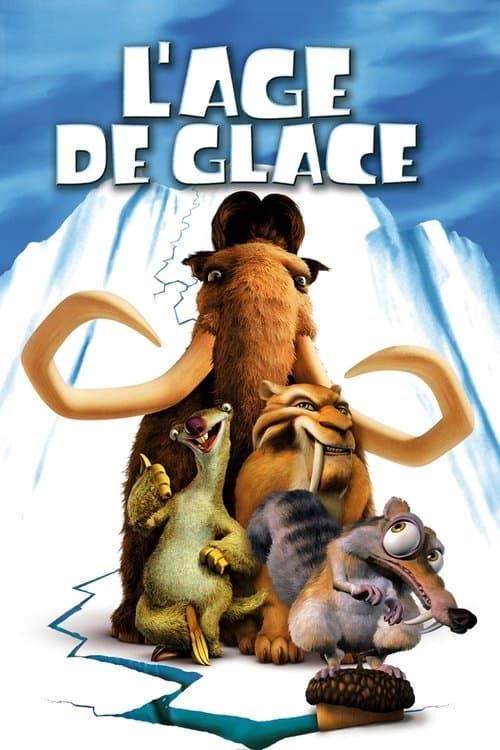
Ice Age is an animated adventure film with a mood blending physical comedy and sincere emotion, carried by an overall warm tonality yet traversed by genuinely dark sequences. The plot follows a solitary mammoth, a clumsy sloth and a sabre-toothed tiger who band together reluctantly to return a human baby to its tribe during the great migration. The film targets children from 6-7 years old, but several scenes require a certain emotional maturity that younger children do not yet possess.
Violence
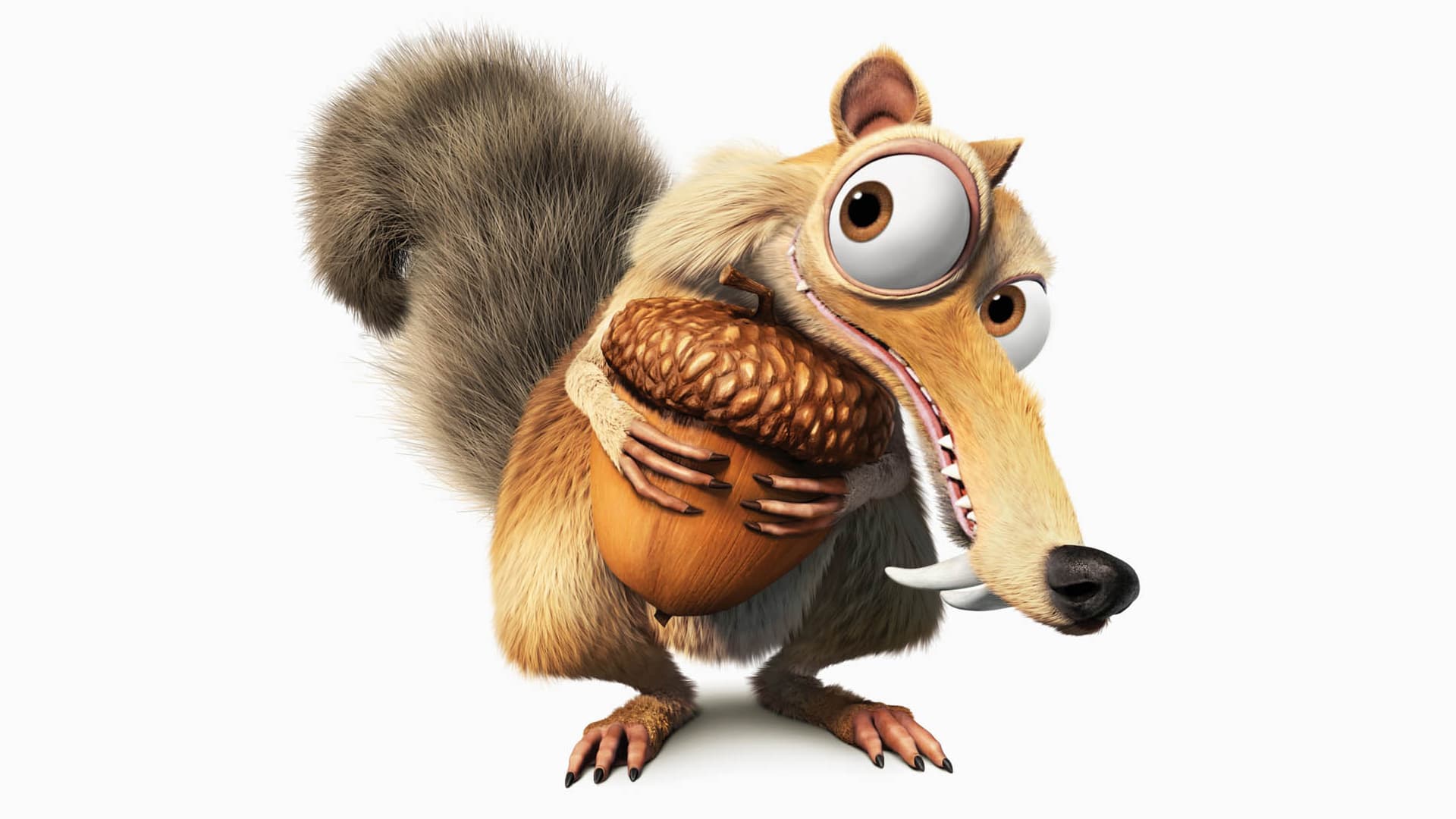
Violence presents itself in two distinctly different forms. On one hand, slapstick violence embodied by Scrat, the acorn-obsessed squirrel, who endures avalanches, collisions, freezing and repeated falls in a purely comic register inherited from classical cartoon tradition. On the other hand, far weightier violence: an attack on a human village by sabre-toothed tigers at the beginning of the film is intense, cruel and unambiguous, with armed fighters, menacing growls and an atmosphere of real predation. This scene establishes a context of mortal danger that sensitive young children may find unsettling. The animal violence of pursuing rhinoceroses falls within this same register of serious physical tension. The film balances these moments through clear narrative purpose: conflicts serve the tiger's arc of redemption and the learning of trust.
Parental and Family Portrayals
The death of the human mother constitutes the emotionally heaviest sequence in the film. She deliberately drowns herself to save her baby, and the scene is treated with sober realism that contrasts with the animated register of the rest of the film. This absolute maternal sacrifice drives the entire narrative and gives emotional depth to the adventure. For children, this image of a mother dying whilst protecting her child can provoke strong anxiety, particularly in those under 6 years old who do not yet clearly distinguish between fiction and reality. The human father is represented as a protective warrior in desperate search of his child, a positive but secondary parental figure.
Underlying Values
The narrative is structured around redemption and forgiveness: the tiger Diego is sent on a betrayal mission and ultimately chooses loyalty to the group he was meant to betray. This moral reversal, whilst predictable, is treated with sufficient conviction to function as a genuine moment of narrative teaching. The film also values chosen family, the group formed by improbability rather than by blood, and the protection of the vulnerable as a driver of action. Each character's initial individualism gives way to a logic of collective solidarity forged through hardship. These values are woven into the narrative without being forced.
Social Themes
The film unfolds within a context of massive species migration fleeing the cold, which gives it an implicit ecological dimension. The extinction of the dodos, treated in comic mode, nonetheless addresses the disappearance of a species through collective inadaptation, a subject that can open discussion about the vulnerability of animal species. It is not the central purpose, but the presence of these elements allows curious children to explore the question of environment and large-scale climate change in an accessible way.
Strengths
The film succeeds in building an engaging trio dynamic in short order, playing on well-written personality contrasts rather than on visual effects. The tiger's redemption arc is conducted with narrative economy that avoids heavy-handed moralising. The character of Scrat, mute and entirely physical, constitutes a lesson in pure visual comedy that children grasp immediately and that adults appreciate on another level. The sequence of the mother's death, despite its emotional weight, is filmed with restraint that makes it dignified rather than traumatic. The film thus manages to navigate between a childish register and genuine emotional gravity without betraying either.
Age recommendation and discussion points
The film is accessible from 6-7 years old for children without strong sensitivity to scenes of bereavement and animal predation. For more sensitive children, it is better to wait until 8 years old. Two angles are worth discussing after viewing: why does Diego choose to change sides, and can you really trust someone who first wanted to hurt you? And also: why does the mother jump into the water to save her baby, and what does that tell us about what parents do for their children?
Synopsis
Manny the mammoth, Sid the loquacious sloth, and Diego the sabre-toothed tiger go on a comical quest to return a human baby back to his father, across a world on the brink of an ice age.
About this title
- Format
- Feature film
- Year
- 2002
- Runtime
- 1h 21m
- Countries
- United States of America
- Original language
- EN
- Studios
- Blue Sky Studios, 20th Century Fox
Content barometer
- Violence3/5Notable
- Fear3/5Notable tension
- Sexuality0/5None
- Language0/5None
- Narrative complexity1/5Accessible
- Adult themes0/5None
Values conveyed
- Courage
- Acceptance of difference
- Loyalty
- Forgiveness
- friendship
- teamwork
- protection