
I Want to Eat Your Pancreas
君の膵臓をたべたい
Does this age rating seem accurate to you?
Detailed parental analysis
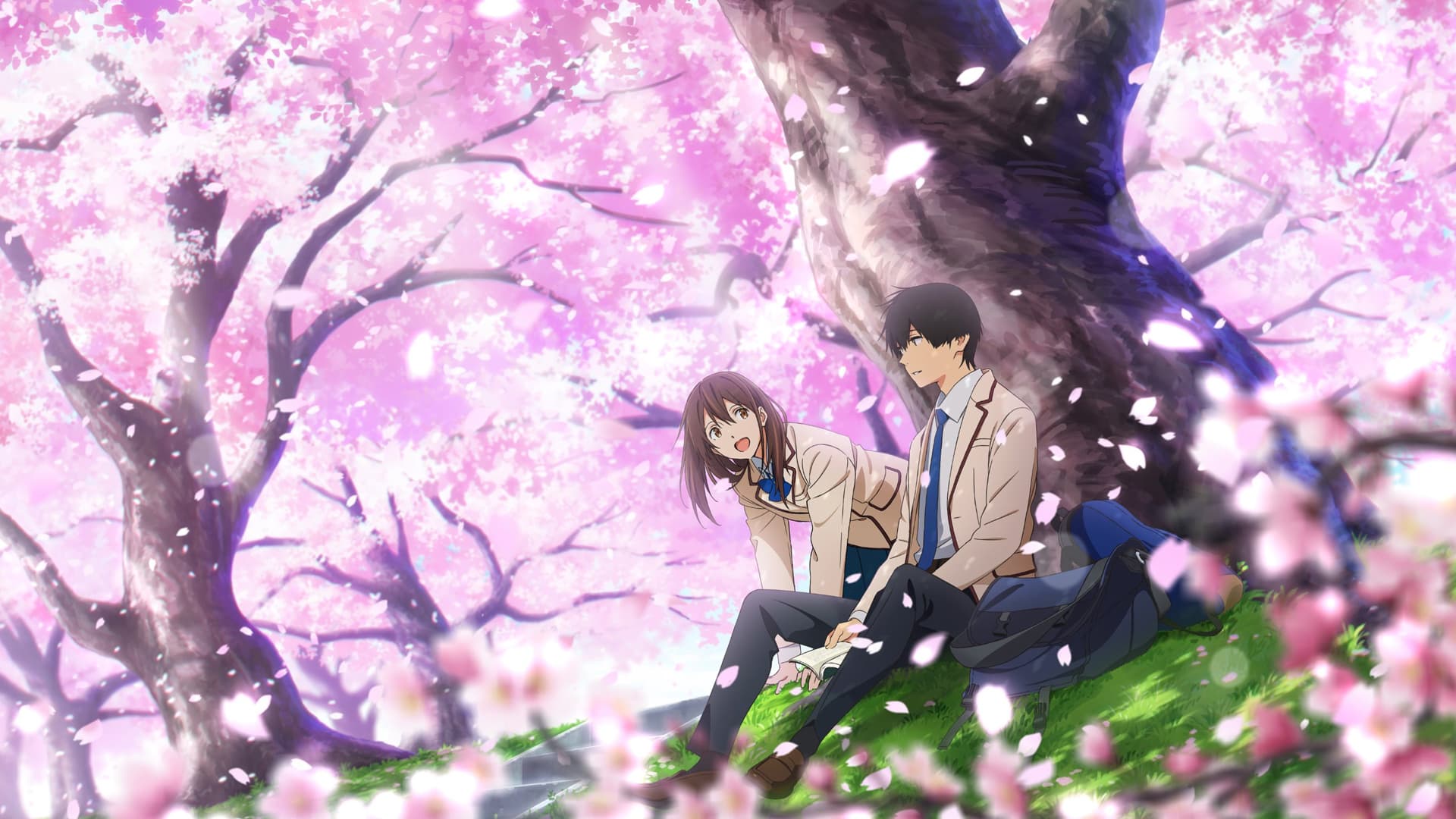
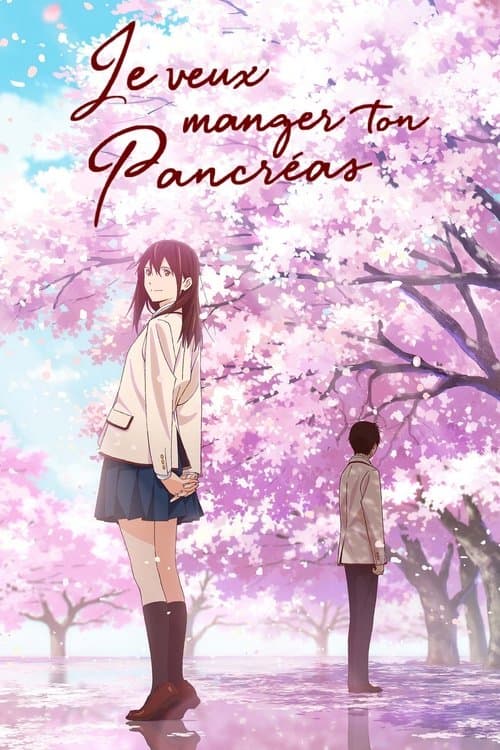
I Want to Eat Your Pancreas is a Japanese sentimental drama with a bittersweet atmosphere, blending the lightness of adolescence with a constant presence of death. The plot follows a solitary high school student who discovers by chance the private diary of a classmate suffering from terminal pancreatic disease, and finds himself swept into the final months of her life. The film is primarily intended for adolescents, but its emotional impact is strong enough to move adults and unsettle unprepared parents.
Violence
The death of the protagonist does not result from her illness, but from a stabbing committed by a stranger in a public space. This event is brutal, sudden, and deliberately destabilising for the viewer. It constitutes the film's most intense emotional shock and has the potential to traumatise sensitive adolescents or younger viewers, particularly because it occurs without preparatory dramatic warning. The violence is not shown with graphic indulgence, but its effect of shock is deliberately sought and real.
Underlying Values
The film carries a profoundly humanistic message about the necessity of connection to others in order to give meaning to existence. Illness and death serve as catalysts to question what it means to live fully, and the narrative clearly advocates for a carpe diem philosophy rooted in relationships rather than individual achievement. A useful discussion point with an adolescent: the protagonist is constructed on the model of the ebullient girl who awakens the introverted boy to life, a convenient narrative pattern that would merit scrutiny. The question of whether her existence in the film has its own value or whether she primarily serves to transform the male character is an interesting entry point for discussing representation.
Discrimination
The female protagonist embodies the well-identified archetype of the manic pixie dream girl: lively, radiant, uninhibited, she exists essentially to provoke the emotional awakening of the male hero. The film does not question this pattern; it reproduces it with sincerity. This is not a strong element of symbolic violence, but it is a pertinent point for reflection to raise with an adolescent: what does this tell us about the role expected of girls in romantic narratives?
Social Themes
Serious illness and the impending death of a young character run through the entire film without detour. The treatment is sensitive and not voyeuristic, but confrontation with finitude is early and frontal. For a child or pre-adolescent who has not yet been exposed to bereavement or serious illness in their surroundings, this film can provoke distress that is difficult to manage without adult guidance.
Strengths
The film succeeds in treating death and grief with genuine narrative delicacy, without falling into easy pathos or sugar-coating. The characterisation of the two main characters is sufficiently nuanced that their relationship evolves credibly throughout the narrative. Emotional intensity is built on an accumulation of everyday moments rather than spectacular cinematic effects, which gives it an authenticity that explains its lasting impact on viewers. The film can be a valuable entry point for discussing with an adolescent questions about death, the meaning of relationships, and how one makes use of time.
Age recommendation and discussion points
The film is not recommended before the age of 13, and parental guidance is strongly recommended for 13-15 year-olds due to the unexpected brutality of the protagonist's death and the depth of grief that follows. For a serene and well-prepared viewing experience, 15 years is a reasonable age. Two discussion angles to prioritise after the film: first, why does death by random murder produce a different effect from death expected from illness, and what does this tell us about our relationship with fate; secondly, what role does the young girl play in the story, and whether this role allows her an existence of her own or whether she primarily serves to help the boy grow.
Synopsis
After his classmate and crush is diagnosed with a pancreatic disease, an average high schooler sets out to make the most of her final days.
About this title
- Format
- Feature film
- Year
- 2018
- Runtime
- 1h 48m
- Countries
- Japan
- Original language
- JA
- Studios
- ABC Animation, Aniplex, jeki, Futabasha, Studio VOLN, Tohan, The Asahi Shimbun
Content barometer
- Violence3/5Notable
- Fear3/5Notable tension
- Sexuality1/5Allusions
- Language0/5None
- Narrative complexity3/5Complex
- Adult themes0/5None
Values conveyed
- Friendship
- Compassion
- empathy
- courage
- grief