How to Train Your Dragon
Does this age rating seem accurate to you?
Detailed parental analysis
How to Train Your Dragon is an animated adventure film with a contrasting atmosphere, blending intense action sequences with moments of lightness and camaraderie. The plot follows an awkward teenager who, in a village of Vikings accustomed to fighting dragons, discovers a radically different way of approaching them. The film targets a broad family audience, with particular attention to children from 7-8 years old and preteens, although some action sequences may unsettle younger viewers.
Violence
Violence is present and sustained, without being gory. The film opens with a nocturnal village attack featuring explosions and fire-breathing dragons, immediately establishing a tense register. Training arena scenes expose teenagers to real danger, and the climax pits the protagonists against a colossal dragon in brutal physical combat. The deaths of creatures are shown, including that of the antagonist dragon, without morbid indulgence but without sugar-coating either. Two characters wear prosthetics as a result of past battles, anchoring violence in lasting consequences rather than treating it as inconsequential. The narrative intent is clear: violence is presented as a cultural inheritance to be questioned, not as a spectacle to be savoured.
Underlying Values
The film consistently defends the idea that understanding and communication are superior to confrontation, and that strategic intelligence is worth more than brute force. The hero succeeds where warriors fail not through physical superiority but through empathy and observation. This structural message is solid and never contradicted by the narrative. In parallel, the film celebrates non-conformity without idealism: the protagonist pays the social price of his difference before being recognised, lending the argument a commendable narrative honesty. Performance and competition among peers are present in the training scenes, but the film systematically downplays them in favour of collective values.
Parental and Family Portrayals
The father-son relationship is at the heart of the film and deserves discussion. The father is a respected war leader, loving but rigid, initially unable to accept that his son is taking a different path from the one he has laid out for him. Reconciliation occurs, but it comes through the father's painful realisation, not the son's capitulation. The mother is absent, mentioned briefly in a melancholic tone. This family pattern, though not traumatic, opens a natural conversation about parental expectations, the child's own identity and the right to disappoint those we love in order to remain true to ourselves.
Discrimination
The film integrates characters who wear prosthetics, father and son by the end of the story, without making it a separate subject or reducing them to their disability. Their capability and legitimacy within the community are never questioned. The female protagonist is physically competent, takes initiative in the romantic relationship and is not reduced to a supporting role. These representations are solid without being activist.
Social Themes
Beneath its adventure narrative, the film addresses an intergenerational conflict around the transmission of a warrior culture founded on unexamined fears. The Viking community perpetuates a conflict with dragons out of habit, without ever seeking to understand its origin. This metaphor about attitudes towards the other, towards difference and towards cultural inheritance is accessible to children without being simplistic, and offers relevant angles for discussion on how collective prejudices are transmitted.
Strengths
The film stands on rigorous writing that sacrifices none of its secondary characters to empty archetypes. The relationship between the hero and his dragon works because it is built in stages, with economy of dialogue and attention to body language that makes it one of the most convincing in the genre. The pacing effectively alternates action sequences and moments of contemplative silence, giving the film a rare kind of breathing space in productions of this type. The moral message is integrated into the narration rather than imposed upon it, avoiding the pitfall of a moral lesson. Emotionally, the film takes its characters seriously, including in their contradictions, and this is what gives it durability beyond spectacle.
Age recommendation and discussion points
The film is suitable from 7 years old for children without particular sensitivity to intense action scenes, and can be viewed at ease from 8-9 years old. For younger children or sensitive children, accompanied viewing remains preferable during combat sequences. Two angles for discussion naturally emerge after the film: why did the community fight dragons for so long without ever seeking to understand them, and what happens when what our parents expect of us does not match who we really are.
Synopsis
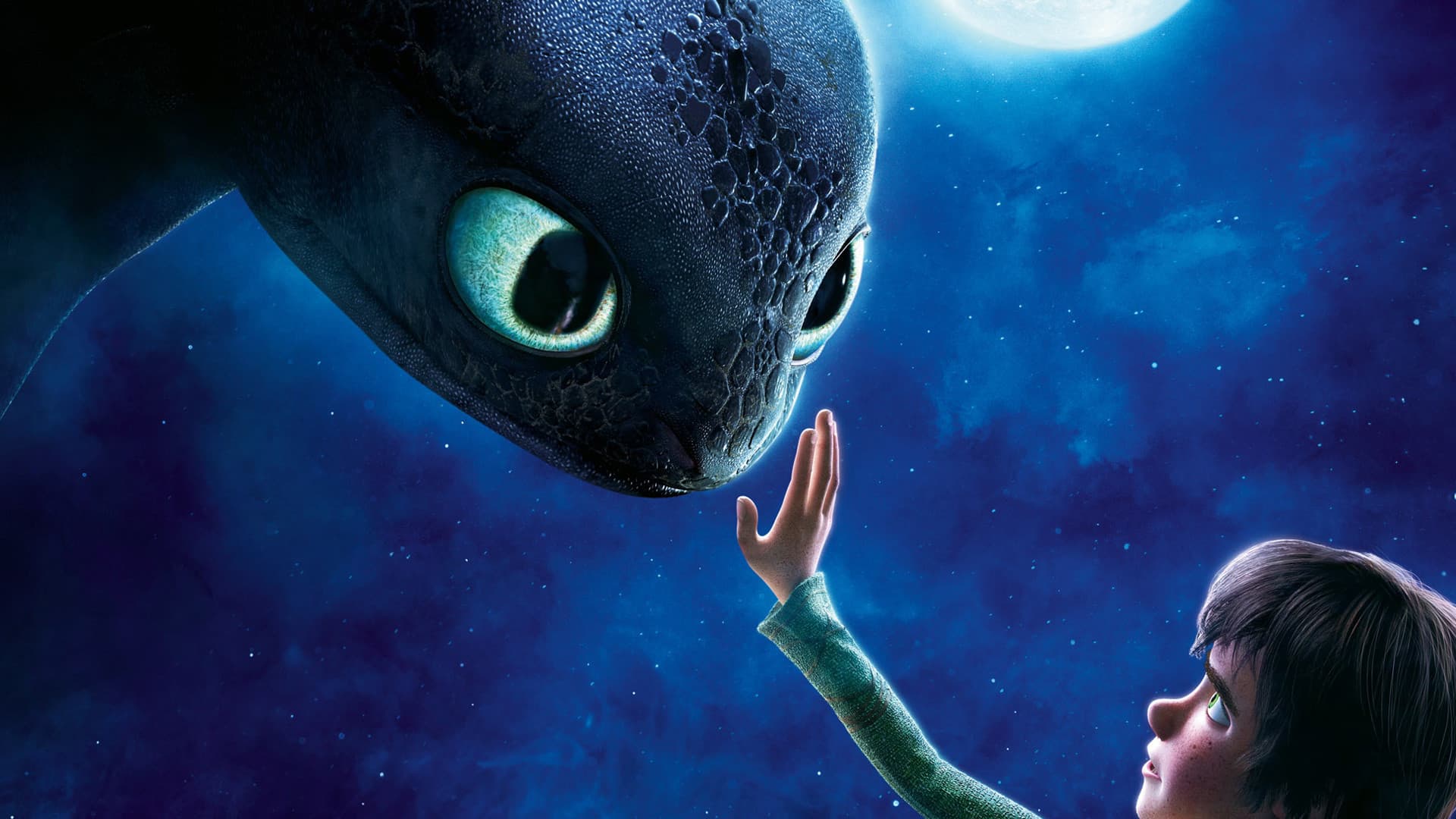
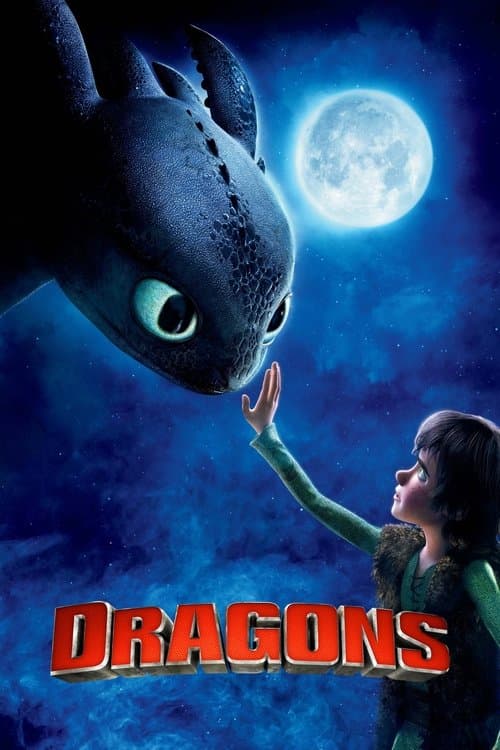
As the son of a Viking leader on the cusp of manhood, shy Hiccup Horrendous Haddock III faces a rite of passage: he must kill a dragon to prove his warrior mettle. But after downing a feared dragon, he realizes that he no longer wants to destroy it, and instead befriends the beast – which he names Toothless – much to the chagrin of his warrior father.
About this title
- Format
- Feature film
- Year
- 2010
- Runtime
- 1h 26m
- Countries
- United States of America
- Original language
- EN
- Studios
- DreamWorks Animation
Content barometer
- Violence3/5Notable
- Fear3/5Notable tension
- Sexuality0/5None
- Language0/5None
- Narrative complexity1/5Accessible
- Adult themes0/5None
Watch-outs
Values conveyed
- Courage
- Acceptance of difference
- Perseverance
- Compassion
- friendship
- empathy
- difference
- reconciliation