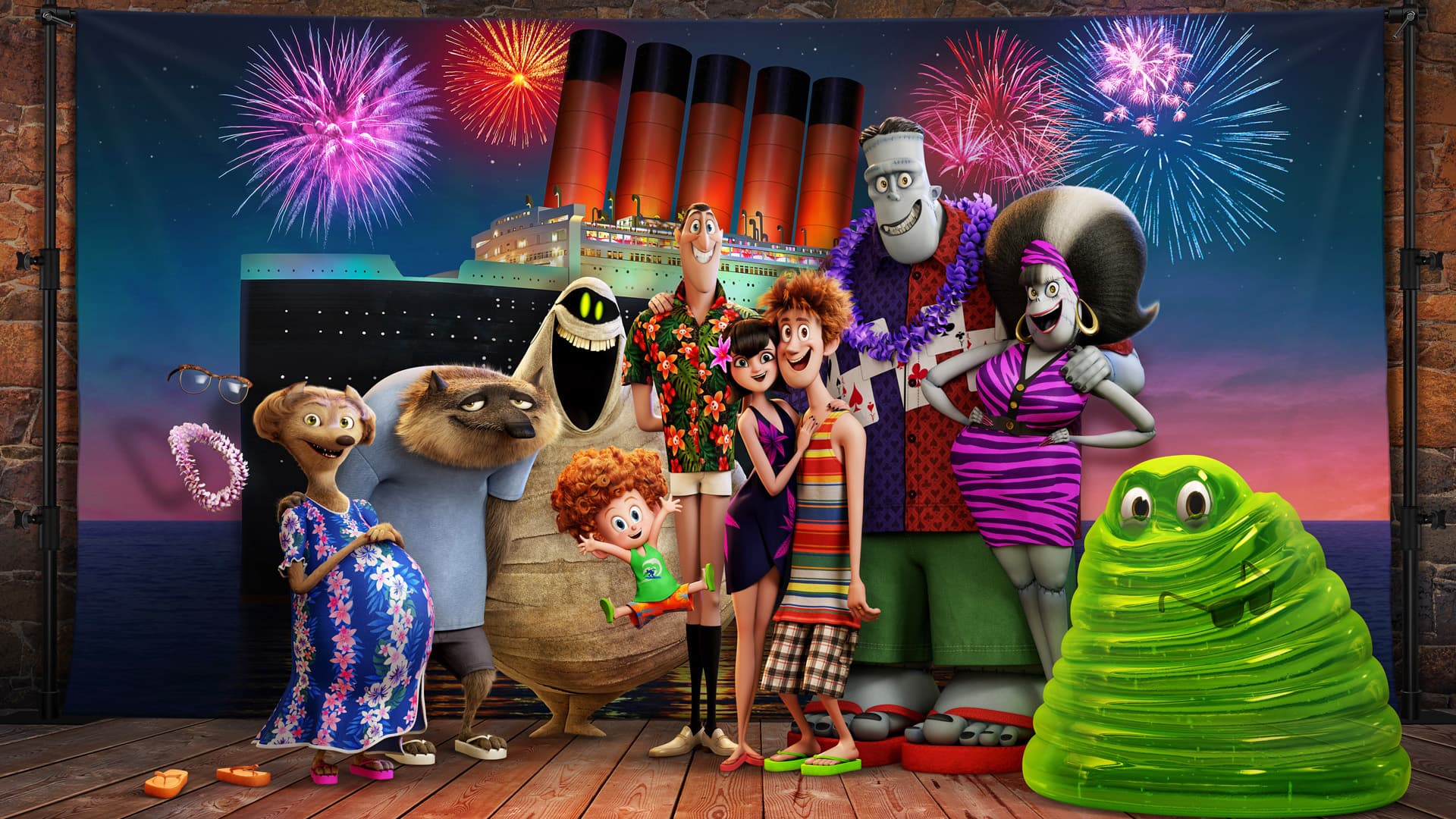

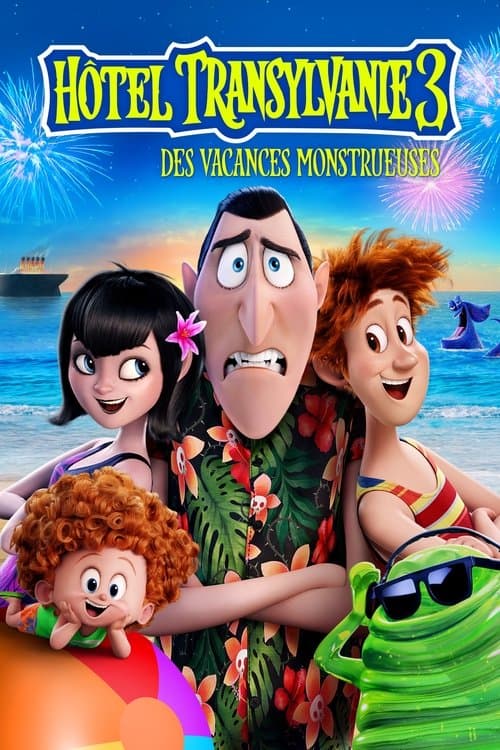
Hotel Transylvania 3: Summer Vacation
Does this age rating seem accurate to you?
Detailed parental analysis
Hotel Transylvania 3 is a vibrant and fast-paced animated family comedy, driven by a festive atmosphere and relentless slapstick humour. The plot follows Dracula, proprietor of a hotel for monsters, who falls in love with a mysterious cruise ship captain during a family holiday, unaware that she harbours dark intentions. The film is primarily aimed at primary school-age children and their parents, with accessibility designed for the big family screen experience.
Violence
Violence remains firmly in cartoon territory, with comic chases, ray guns, explosions and threats of elimination treated in burlesque fashion. The attempted poisoning of Dracula with garlic and firearm attacks are presented as comedic devices rather than genuinely threatening, but they nonetheless constitute real acts of violence wrapped in humour, which may unsettle the most sensitive children between 4 and 6 years old. The scene of the giant Kraken building in power and threatening to annihilate all the monsters represents the peak of dramatic intensity in the film, with sufficient visual and sound impact to provoke genuine fright in the youngest viewers. Overall, there is no gore or lasting consequence.
Discrimination
The film slips in some problematic female representations without questioning them. The dating app depicted shows a beautiful witch who turns out to be a physically repulsive troll, fully exploiting the trick of deception tied to appearance. Female monster characters are shown as attracted to the status and appearance of an elderly vampire, without nuance. These elements are too light to weigh on the overall narrative, but they merit highlighting if one wishes to avoid letting these slides regarding the value of physical appearance in romantic relationships pass unremarked.
Sex and Nudity
The film incorporates a pronounced romantic dimension for Dracula, with a Tinder-style dating app used in the background for comic effect, a very physical love-at-first-sight moment and scenes of flirting and kissing. Nothing explicit or suggestive in the strict sense, but the presence of a digital dating app in a children's film may naturally open up the question of what these tools are in real life.
Underlying Values
The narrative carries two positive structural messages: parents and authority figures have the right to rest and express their own desires, and adult friendships deserve to be nurtured over time. Acceptance of others in their difference, a recurring theme of the franchise, remains present without being hammered home. Dracula's love-at-first-sight moment is treated with a lightness that idealises immediate romantic love without great depth, which is consistent with the comic register but limits emotional resonance.
Parental and Family Portrayals
Dracula is portrayed as a protective, sometimes overbearing father, whose narrative arc in this third instalment consists precisely of letting go and accepting that those close to him have lives of their own. The parent-child dynamic is affectionate and balanced, and the film values the idea that parents too need space and personal fulfilment, a rare message in family animation and welcome for discussion with children.
Strengths
The film fully embraces its register as a relaxed animated comedy and excels technically at it, with sustained pacing and well-constructed visual gags that work for a young audience. Dracula's arc, a father learning to exist beyond his parental role, offers light but genuine emotional depth for adults watching with their children. The resolution of the main conflict, centred on music and dance rather than brute force, constitutes an original narrative choice within the genre. The film does not pretend to be more than it is, and this coherence between ambition and execution is itself a quality.
Age recommendation and discussion points
The film is suitable from age 7 onwards without major reservations, with supervision recommended for children aged 5 to 6 who might be disturbed by the Kraken scene and repeated threats against Dracula. Two angles are worth exploring after viewing: why does the dating app shown in the film judge people on their appearance, and what does this teach about how we choose our friends or romantic partners in real life; and whether Dracula truly had the right to take a holiday for himself rather than looking after everyone else.
Synopsis
Dracula, Mavis, Johnny and the rest of the Drac Pack take a vacation on a luxury Monster Cruise Ship, where Dracula falls in love with the ship’s captain, Ericka, who’s secretly a descendant of Abraham Van Helsing, the notorious monster slayer.
About this title
- Format
- Feature film
- Year
- 2018
- Runtime
- 1h 37m
- Countries
- United States of America
- Original language
- EN
- Studios
- Columbia Pictures, Sony Pictures Animation, MRC
Content barometer
- Violence2/5Moderate
- Fear3/5Notable tension
- Sexuality1/5Allusions
- Language0/5None
- Narrative complexity1/5Accessible
- Adult themes0/5None
Watch-outs
- Death
- Gender stereotypes
Values conveyed
- Friendship
- Acceptance of difference
- Autonomy
- Forgiveness
- family
- acceptance
- teamwork