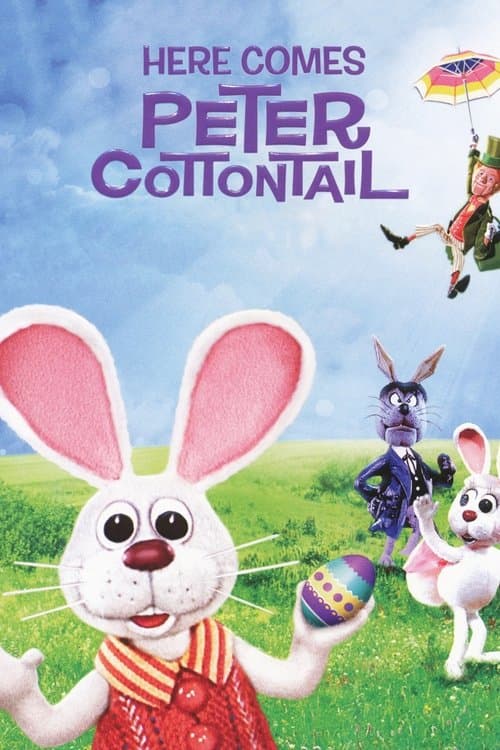
Here Comes Peter Cottontail
Does this age rating seem accurate to you?
Detailed parental analysis
Here Comes Peter Cottontail is a cheerful and slightly whimsical musical animated film, with a touch of darkness inherent to its villain sequences. The story follows Peter Cottontail, a presumptuous young rabbit who must prove his worth to attain the title of Grand Easter Bunny, facing the opposition of an evil rival. The film is clearly intended for young children, with the atmosphere of a holiday tale adapted to the Easter universe.
Underlying Values
The narrative structures its entire progression around an explicit and well-constructed moral lesson: Peter begins by lying and boasting, and the direct consequences of this behaviour drive the plot forward. The film unequivocally maintains that pride undermines effort, and that serious work surpasses misplaced self-confidence. It also carries a message of perseverance and hope, demonstrating that a character can deserve a second chance after acknowledging his wrongdoings. These values are woven into the storytelling organically, without morality imposed in an artificial manner.
Violence
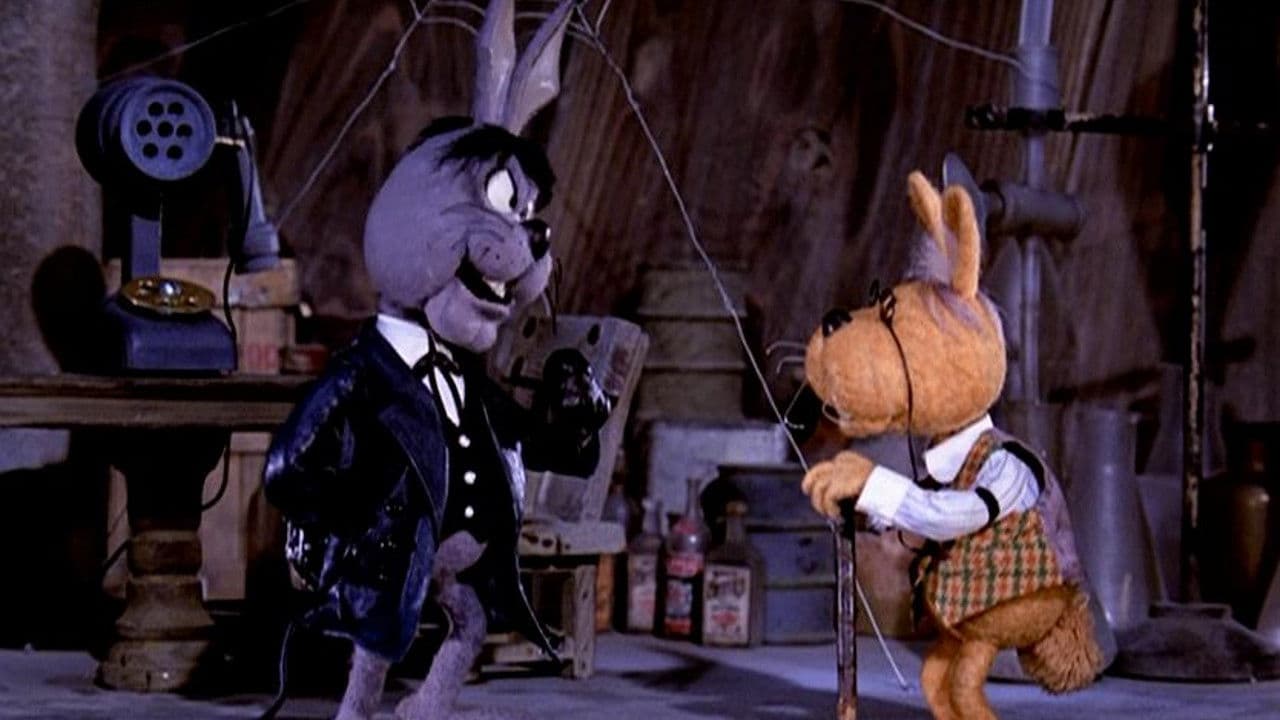
The antagonist character, Irontail, is presented as a gothic villain, accompanied by bats and spiders, with a menacing laugh liable to unsettle the most sensitive children. There is no notable physical violence, but Irontail's dark and unsettling aesthetic constitutes the main source of emotional intensity in the film. This element remains well within the bounds of classic children's tales, and its narrative role is clear: to embody a threat that the hero must overcome.
Strengths
The film draws its principal strength from its catchy music and an effective sense of narrative rhythm for the young audience it addresses. The tale structure, with its clear progression between fault, consequence and redemption, offers a solid educational framework without ever substituting itself for the story. The film's nostalgic value also makes it an object of intergenerational transmission during Easter celebrations, allowing parents to share a childhood memory with their own children. It should be noted that the older animation and technical limitations may appear dated to children accustomed to contemporary productions, though this does not harm the clarity of the story.
Age recommendation and discussion points
The film is suitable from age 4 and can be watched calmly from that age onwards, with guidance for very young children sensitive to the character of Irontail. Two angles of discussion are worth opening after viewing: why does Peter lose initially despite his self-confidence, and what truly makes the difference between believing oneself capable and actually being capable? You might also ask the child what he thinks of the second chance given to Peter, and whether everyone deserves one.
Synopsis
Peter Cottontail wants to be the #1 chief Easter Bunny, and everyone in April Valley agrees...except for Evil Irontail. Peter must deliver more eggs than this archrival to earn the top spot...and save Easter for children everywhere!
Where to watch
Availability checked on Apr 26, 2026
About this title
- Format
- Feature film
- Year
- 1971
- Runtime
- 51m
- Countries
- United States of America, Japan
- Original language
- EN
- Directed by
- Arthur Rankin, Jr., Jules Bass
- Main cast
- Danny Kaye, Vincent Price, Casey Kasem, Paul Frees, Joan Gardner, Iris Rainer, Greg Thomas, Jeff Thomas
- Studios
- Rankin/Bass Productions, Videocraft International, Classic Media
Content barometer
- Violence1/5Mild
- Fear2/5A few scenes
- Sexuality0/5None
- Language0/5None
- Narrative complexity0/5Simple
- Adult themes0/5None
Values conveyed
- Courage
- Perseverance
- Autonomy
- Forgiveness
- honesty
- responsibility
- friendship