Heidi: Rescue of the Lynx
Heidi - Die Legende vom Luchs
Does this age rating seem accurate to you?
Detailed parental analysis
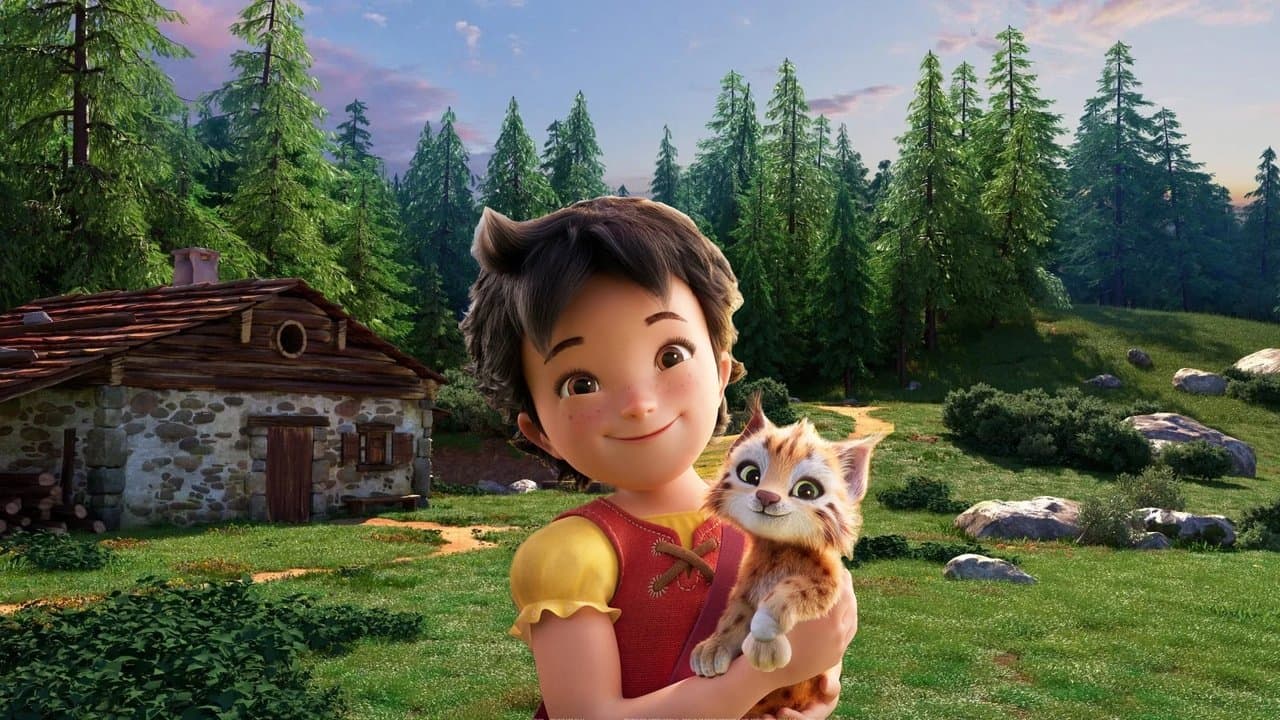
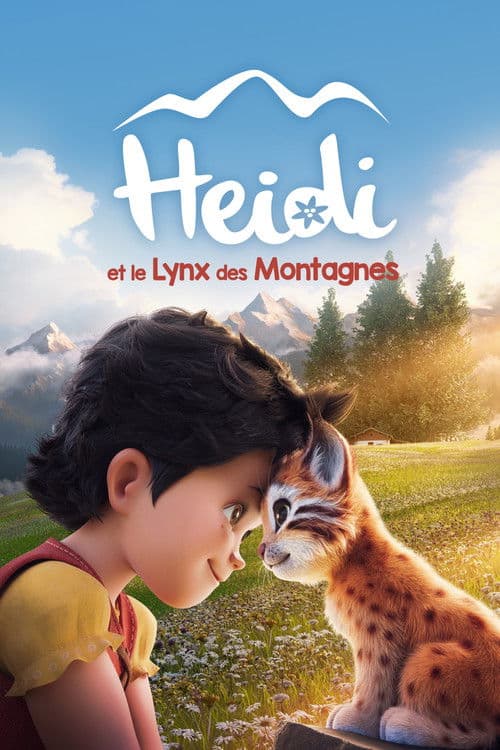
Heidi and the Mountain Lynx is a bright and benevolent family adventure film, anchored in Alpine landscapes and carried by a warm atmosphere despite some well-executed sequences of tension. The plot follows Heidi, a mountain girl who becomes attached to a family of lynx threatened by an unscrupulous property developer, and sets out to rescue them with the help of her friends. The film is primarily aimed at young children from six or seven years old, but can be watched as a family without major restrictions for older children.
Violence
The film contains several sequences of physical peril that constitute its true dramatic engine. A shot is fired at the mother lynx and her cubs, a beam collapses and traps an injured animal, a trap imprisons Heidi and a baby lynx who emerges from it with a damaged paw, and an eagle attacks the children in the mountains. One scene also shows a child jumping from a church without safety protection, rescued just in time by her grandfather. These moments of tension are brief, oriented towards resolution and without gore, but they provoke genuine fear for the animals and characters. The violence remains in service of the narrative and a clear message about the protection of nature: it justifies the children's actions without ever being spectacular for its own sake.
Social Themes
Ecology is the heart of the film. The narrative directly opposes the preservation of wild nature to industrial development embodied by a businessman willing to sacrifice protected species for his profit. This message is pedagogical and deliberate, with sufficient nuance for children to understand the stakes without it being watered down. The film also raises, implicitly, the question of what adults do to natural territories, and leaves children with the role of those who act where adults fail or abdicate.
Underlying Values
The narrative structures a clear opposition between wealth as an end in itself and attachment to living things as a superior value. The character of the property developer embodies without nuance the logic of profit at the expense of the natural world, and his defeat implicitly validates the idea that money does not give the right to dispose of nature. Furthermore, the film conveys with aptness the difficult lesson that even a beloved animal must return to the wild: Heidi's attachment to the lynx is not sufficient to justify captivity, however benevolent. This is a genuine moral nuance, rarely treated in films for young children, and it deserves to be highlighted.
Discrimination
The character of developer Schnaittinger is an antagonist without depth or ambivalence, reduced to his greed. This construction makes him a functional stereotype of the businessman without conscience. Whilst this simplifies the moral argument for the young audience, it also prevents any more complex reflection on the economic or social reasons that drive the exploitation of natural territories. This is a useful point for discussion to open with an older child: the villains of the real world are rarely so clear-cut.
Parental and Family Portrayals
The grandfather holds a central and positive role in the narrative: he is present, attentive and acts as a protective guardian when the situation becomes critical. The family figure is here stable and benevolent, which contributes to the overall sense of security in the film even in its moments of tension.
Strengths
The film achieves what many productions for young children miss: integrating genuine dramatic tension without traumatising, and entrusting children with the role of moral agents rather than mere witnesses. The lesson about the animal's return to nature despite attachment is treated with sincere emotional honesty. The Alpine landscapes are valued as both setting and argument: the beauty of the wild world is itself a demonstration of what the film defends. The film is simple in its narration, without claiming a complexity it does not have, but its pedagogical effectiveness on environmental issues is real and well-calibrated for its audience.
Age recommendation and discussion points
The film is suitable from six or seven years old, and can be watched calmly as a family from that age. The tension scenes are brief and always resolved, even if the youngest children sensitive to animals in danger may need a moment of reassurance. Two angles of discussion are worth pursuing after viewing: why Heidi must let the lynx go even though she loves it, and what gives someone the right to decide what happens to a wild animal or a forest.
Synopsis
When eight-year-old Heidi saves a lynx family and their home from a greedy businessman, she gets her grandfather to come clean with the village community, and she realizes that her beloved little lynx belongs with his family in the wild just as she belongs with her grandfather in the mountains.
About this title
- Format
- Feature film
- Year
- 2025
- Runtime
- 1h 19m
- Countries
- Belgium, France, Germany, Hungary, Spain
- Original language
- DE
- Studios
- Studio 100 Media, Studio 100, Studio 100 Animation, Hotel Hungaria, 3 Doubles Producciones, Studio Isar Animation
Content barometer
- Violence2/5Moderate
- Fear2/5A few scenes
- Sexuality0/5None
- Language0/5None
- Narrative complexity1/5Accessible
- Adult themes0/5None
Watch-outs
- Death
- Ethnic or racial stereotypes
Values conveyed
- Courage
- Friendship
- Acceptance of difference
- Compassion
- Autonomy
- nature protection
- empathy