Heart of an Oak
Does this age rating seem accurate to you?
Detailed parental analysis
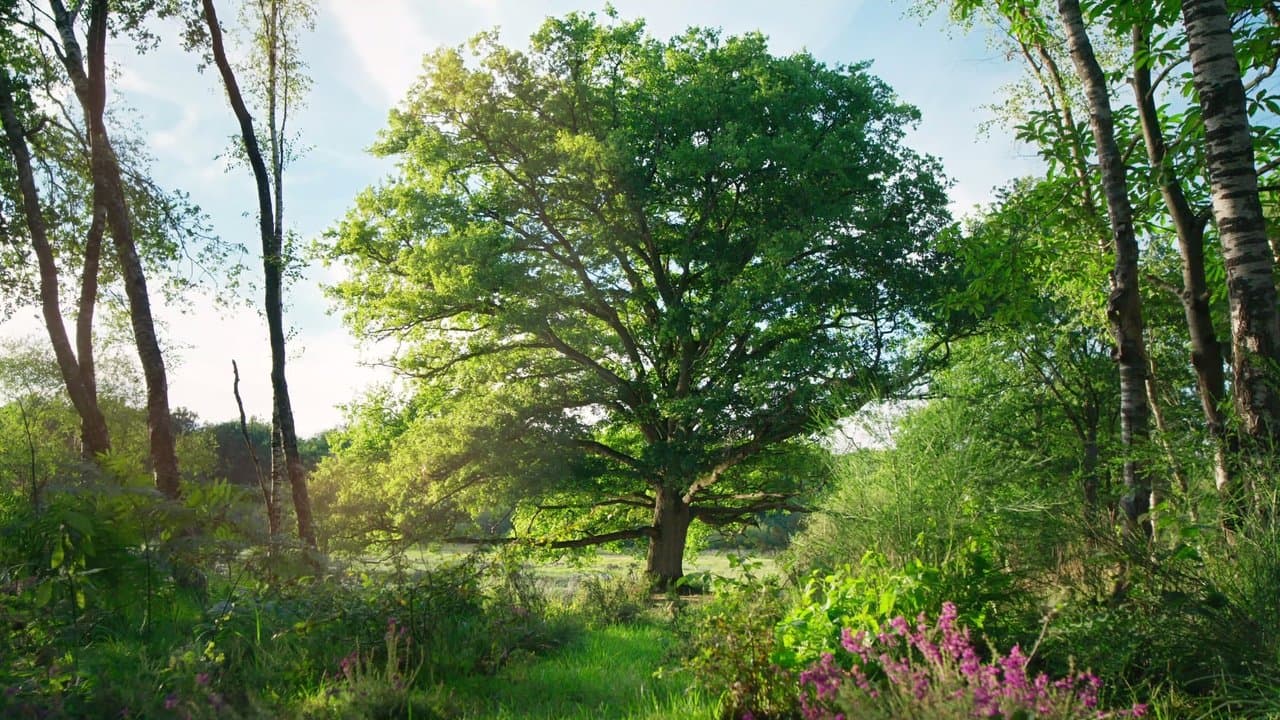
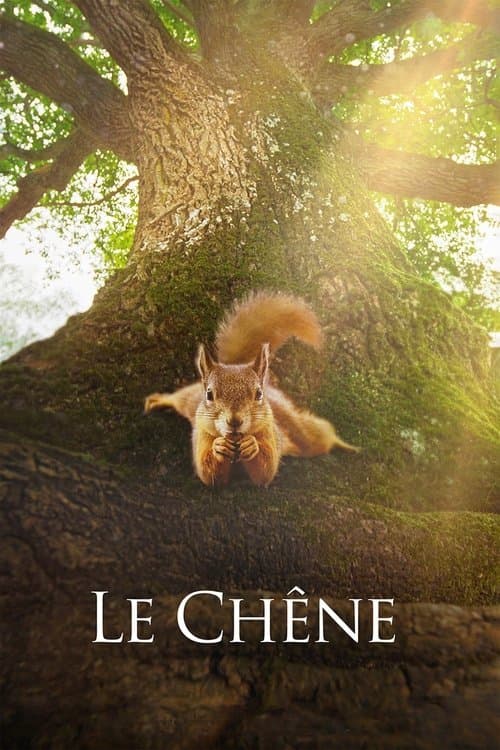
The Oak is a contemplative and silent documentary that follows an entire year of life around an old oak tree, observing with great proximity the dozens of animal and plant species that depend on it. Without narration, without human voice, the film lets the images and sounds of the forest speak for themselves in a slow and meditative rhythm. It is aimed first and foremost at a family audience curious about nature, but its demanding form makes it more suited to school-age children and adults than to very young children. Social Themes Ecology is the absolute heart of the film, not as activist discourse but as sensory immersion. By showing the complexity of interdependencies between species on a single tree, the film concretely raises the question of biodiversity and ecosystem fragility. The complete absence of human presence is a strong choice that gives nature an autonomy and dignity rarely seen, and which invites reflection on the human role through its very absence. This is a powerful pedagogical angle for approaching ecology with a child without resorting to catastrophism. Underlying Values The film implicitly structures its gaze around the cycle of life and death as natural reality rather than tragic event. Births, predation and deaths of insects or small animals are shown with neutrality, without dramatisation or sentimentality. This approach conveys a vision of living things based on interdependence and acceptance, quite distant from the usual anthropocentric narratives. For a child accustomed to films in which death is either avoided or dramatised, this sobriety may require guidance to be well received. Violence Scenes of predation are present and realistic: a bird of prey attempts to capture a bird, a snake approaches nestlings, insects visibly die. Violence is never aestheticised or indulgent; it is filmed as a fact of the natural world among others. The intensity remains moderate compared to a conventional wildlife documentary, but more sensitive or younger children may be taken aback, particularly by nocturnal sequences with owl and wild boar sounds in darkness. Strengths The film is a work of remarkable patience and visual precision. The camera approaches as closely as possible the textures, minute movements and animal behaviours with an intimacy that gives the impression of a miniature world revealed for the first time. The absence of narration is a risky but coherent wager: it places the viewer in a posture of active observation and develops a rare and precious form of attention to cultivate in children. The sound work is particularly careful and contributes to immersion as much as the image. The film has genuine pedagogical value in natural sciences and can serve as a starting point for concrete discussions about biology, seasons and relationships between species. Age recommendation and discussion points The film is suitable from age 6 with accompanied viewing and parental guidance to explain predation scenes and darker moments. For younger children, the absence of narration and slow pace make the experience difficult to sustain without an adult present to provide context. Two discussion angles to explore after the film: ask the child what seemed surprising or worrying about the animals' lives, and reflect together on why no human appears in the film and what this changes about the way we see nature.
Synopsis
Once upon a time, there was a pedunculate oak (Quercus robur), born in 1810, 210 years old and a pillar in its kingdom. This spectacular adventure features an extraordinary cast: squirrels, barnacles, jays, ants, field mice... This vibrant, whirring, marvelous little world seals its destiny around the majestic tree that welcomes them, feeds them and protects them from its roots to its crown. A poetic ode to life, in which nature alone expresses itself.
About this title
- Format
- Feature film
- Year
- 2022
- Runtime
- 1h 20m
- Countries
- France
- Original language
- FR
- Directed by
- Laurent Charbonnier, Michel Seydoux
- Studios
- Winds, Caméra One Télévision, Gaumont, Conseil Département Du Loir-Et-Cher, La Fondation Didier
Content barometer
- Violence1/5Mild
- Fear2/5A few scenes
- Sexuality0/5None
- Language0/5None
- Narrative complexity2/5Moderate
- Adult themes0/5None
Watch-outs
- Death / grief
Values conveyed
- nature
- biodiversity
- curiosity
- wonder