
Hey Arnold!
Hey Arnold!
Your feedback improves this guide
Your feedback highlights guides that need a second look and keeps the rating trustworthy.
Does this age rating seem accurate to you?
Sign in to vote
Watch-outs
What this film brings
Content barometer
Violence
1/5
Mild
Fear
1/5
Mild
Sexuality
0/5
None
Language
1/5
Mild
Narrative complexity
2/5
Moderate
Adult themes
0/5
None
Expert review
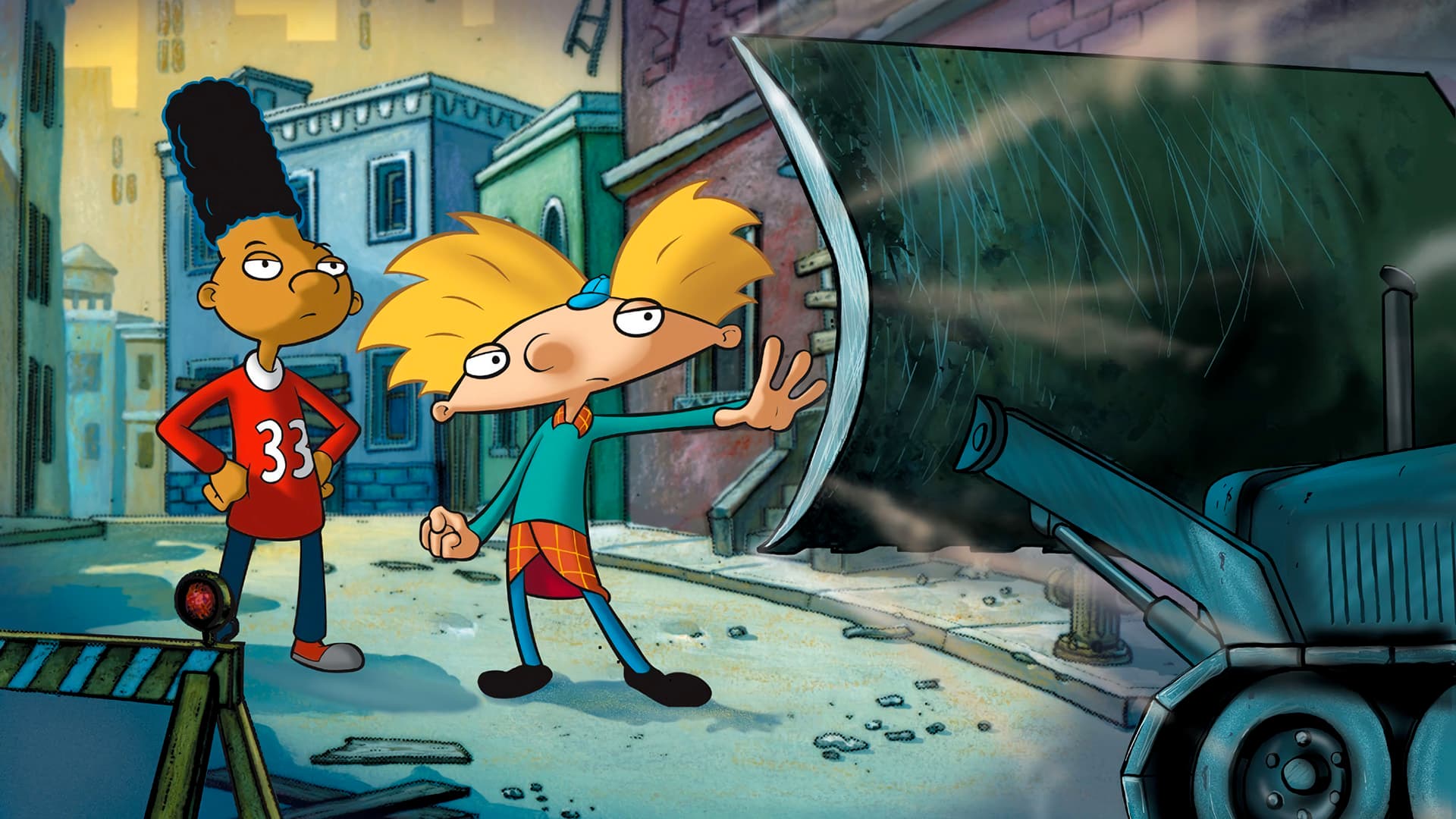
Hey Arnold! is a warm urban animated series about a nine year old boy, his friends, and the everyday life of their neighborhood, with a mostly humorous and gentle tone. Sensitive material mainly involves school teasing, recurring social conflict between children, mild moments of tension, and a more emotional background linked to Arnold's missing parents and the loneliness of some kids and adults. The overall intensity is low, with no graphic violence and no sexual content, but the repeated humiliation jokes and occasional melancholy may stand out to very sensitive viewers. There are also a few somewhat dated gender dynamics, especially in the way Helga hides affection behind aggression, which can reinforce repetitive gender stereotypes and may be worth discussing with children. Most school age kids can handle the show comfortably, and parents may want to talk about bullying, hidden feelings, empathy, and healthier ways to express admiration or frustration.
Synopsis
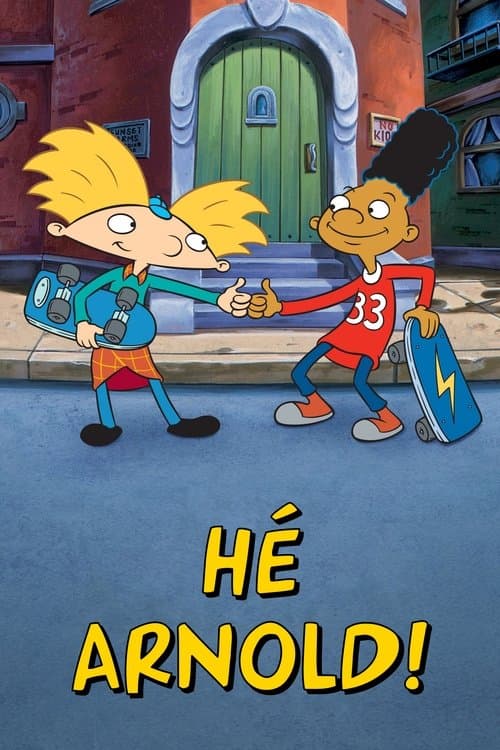
The daily life of Arnold--a fourth-grader with a wild imagination, street smarts and a head shaped like a football.
Difficult scenes
Several episodes are built around teasing, embarrassment, or power struggles between classmates, especially involving Helga, Harold, or other children who may bully, mock, or exclude someone. These scenes are usually played for comedy, but younger viewers can still react to the repeated verbal put downs or to seeing a likable character treated badly by peers. Arnold's family situation can raise sensitive questions because his parents are absent from his daily life, and that absence is an emotional thread in the background of the series. Even though the show stays hopeful, some moments may stir sadness in children who are especially sensitive to separation, abandonment, or nontraditional family situations. Some neighborhood adventures include mild suspense, with rumors, strange places, eccentric adults, or situations where the children think they are in danger. The presentation stays clearly cartoony and reassuring, but these sequences may briefly unsettle very young viewers, especially those who do not yet separate humor from threat very well. The dynamic between Helga and Arnold may deserve guidance, because Helga can be harsh, insulting, or physically pushy while secretly having a crush on him. This is a familiar comic device, but it can confuse younger children about healthy boundaries and may suggest, inaccurately, that hurting someone is a normal way to show affection.
Where to watch
No verified platform for the US market yet. We keep this section updated as availability changes.
About this title
- Format
- TV series
- Year
- 1996
- Runtime
- 12m
- Countries
- United States of America
- Original language
- EN
- Directed by
- Craig Bartlett
- Main cast
- Spencer Klein, Francesca Marie Smith, Jamil Walker Smith, Olivia Hack, Anndi McAfee, Justin Shenkarow, Blake McIver Ewing, Dan Castellaneta
- Studios
- Snee-Oosh Inc., Nubian Nights Worldwide, Games Animation, Nickelodeon Productions, Nickelodeon Animation Studio
Content barometer
Violence
1/5
Mild
Fear
1/5
Mild
Sexuality
0/5
None
Language
1/5
Mild
Narrative complexity
2/5
Moderate
Adult themes
0/5
None
Expert review
Hey Arnold! is a warm urban animated series about a nine year old boy, his friends, and the everyday life of their neighborhood, with a mostly humorous and gentle tone. Sensitive material mainly involves school teasing, recurring social conflict between children, mild moments of tension, and a more emotional background linked to Arnold's missing parents and the loneliness of some kids and adults. The overall intensity is low, with no graphic violence and no sexual content, but the repeated humiliation jokes and occasional melancholy may stand out to very sensitive viewers. There are also a few somewhat dated gender dynamics, especially in the way Helga hides affection behind aggression, which can reinforce repetitive gender stereotypes and may be worth discussing with children. Most school age kids can handle the show comfortably, and parents may want to talk about bullying, hidden feelings, empathy, and healthier ways to express admiration or frustration.
Synopsis
The daily life of Arnold--a fourth-grader with a wild imagination, street smarts and a head shaped like a football.
Difficult scenes
Several episodes are built around teasing, embarrassment, or power struggles between classmates, especially involving Helga, Harold, or other children who may bully, mock, or exclude someone. These scenes are usually played for comedy, but younger viewers can still react to the repeated verbal put downs or to seeing a likable character treated badly by peers. Arnold's family situation can raise sensitive questions because his parents are absent from his daily life, and that absence is an emotional thread in the background of the series. Even though the show stays hopeful, some moments may stir sadness in children who are especially sensitive to separation, abandonment, or nontraditional family situations. Some neighborhood adventures include mild suspense, with rumors, strange places, eccentric adults, or situations where the children think they are in danger. The presentation stays clearly cartoony and reassuring, but these sequences may briefly unsettle very young viewers, especially those who do not yet separate humor from threat very well. The dynamic between Helga and Arnold may deserve guidance, because Helga can be harsh, insulting, or physically pushy while secretly having a crush on him. This is a familiar comic device, but it can confuse younger children about healthy boundaries and may suggest, inaccurately, that hurting someone is a normal way to show affection.