Harry Potter and the Prisoner of Azkaban
Harry Potter and the Prisoner of Azkaban
Your feedback improves this guide
Your feedback highlights guides that need a second look and keeps the rating trustworthy.
Does this age rating seem accurate to you?
Sign in to vote
Watch-outs
What this film brings
Content barometer
Violence
2/5
Moderate
Fear
3/5
Notable tension
Sexuality
0/5
None
Language
1/5
Mild
Narrative complexity
4/5
Very complex
Adult themes
0/5
None
Expert review
This third Harry Potter film remains a family fantasy adventure, but its overall mood is noticeably darker, colder, and more unsettling than the first two entries. The main sensitive material involves fear, including very disturbing creatures that drain happiness, repeated danger around Harry, nighttime threats, intense transformations, and frequent discussion of past murders and the loss of Harry's parents. The violence is still stylized and not graphic, yet the tension is sustained across the story, with several scenes that could strongly affect a sensitive six or seven year old, especially one who reacts to oppressive sound design, distorted faces, or a strong sense of pursuit. There is almost no sexual content, very little troubling language, and barely any substance material, which supports a family and preteen positioning rather than a truly teen only one. For parents, this is best introduced around age 9 or 10, ideally with reassurance beforehand that the frightening figures are part of a fantasy mystery, and with space afterward to talk about grief, fear, false accusations, and trust.
Synopsis
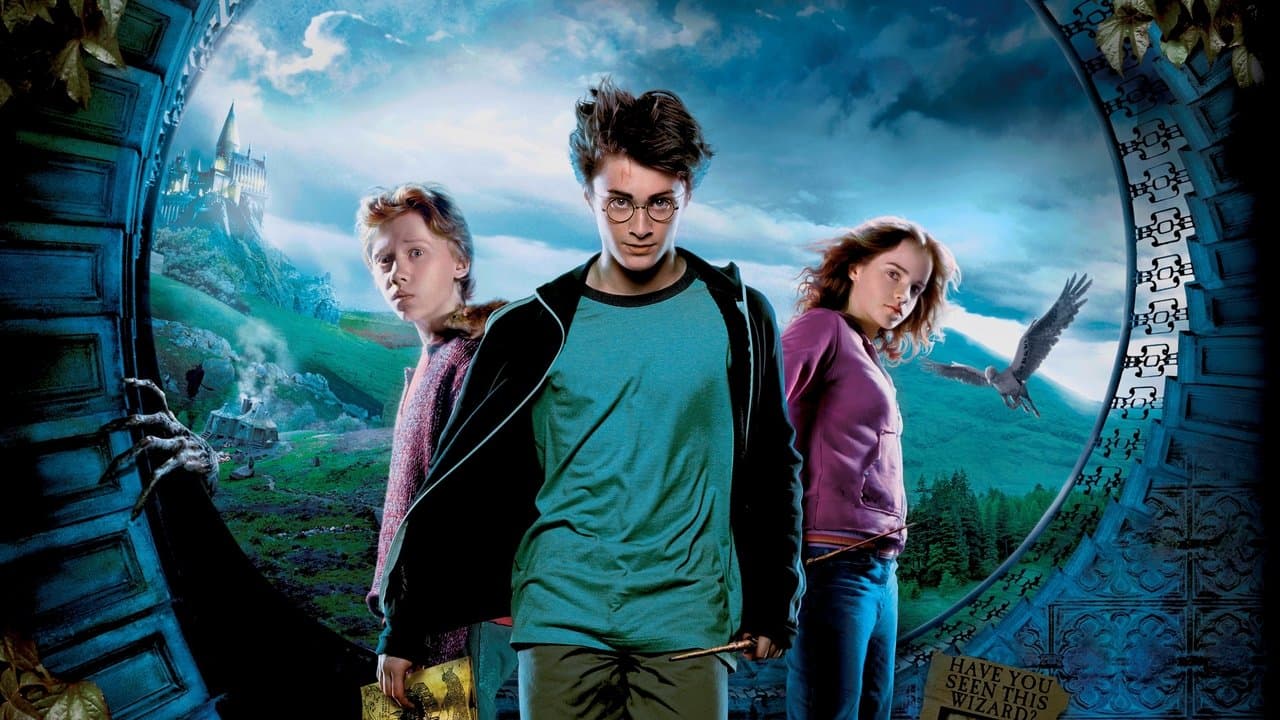
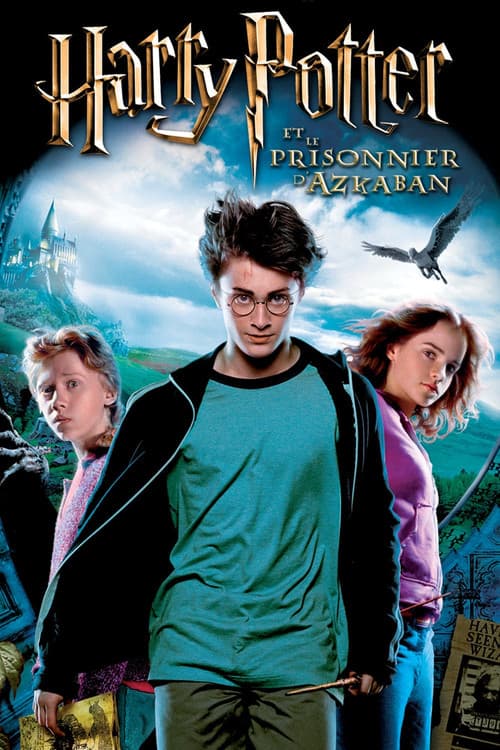
Year three at Hogwarts means new fun and challenges as Harry learns the delicate art of approaching a Hippogriff, transforming shape-shifting Boggarts into hilarity and even turning back time. But the term also brings danger: soul-sucking Dementors hover over the school, an ally of the accursed He-Who-Cannot-Be-Named lurks within the castle walls, and fearsome wizard Sirius Black escapes Azkaban. And Harry will confront them all.
Difficult scenes
Early in the film, a family argument turns into a dramatic burst of magic when Harry loses control after hearing cruel insults about his dead parents. The scene is not graphically violent, but it can startle younger viewers because of the harsh adult behavior, the sudden escalation, and the strange physical transformation that follows. One of the strongest fear elements comes from the Dementors, ghostlike prison guards who appear several times. Their presence brings sudden cold, oppressive sound, and a sense of suffocation, and Harry collapses while hearing echoes connected to the trauma of his parents' death, which can be especially intense for sensitive children. The film also includes repeated scenes of threat inside the school, with nighttime intrusion, alarms, dark corridors, and the ongoing fear that a dangerous escaped prisoner may attack Harry. Even without bloody imagery, the direction emphasizes uncertainty and vulnerability, creating a more sustained level of tension than in a typical light family adventure. Later in the story, major revelations about an alleged murderer lead to a tense confrontation in an isolated location. The sequence includes betrayal accusations, an animal figure becoming suddenly threatening, and a werewolf transformation that is visually intense, not gory, but loud, chaotic, and potentially frightening for younger viewers.
Where to watch
Availability checked on Apr 03, 2026
About this title
- Format
- Feature film
- Year
- 2004
- Runtime
- 2h 22m
- Countries
- United Kingdom, United States of America
- Original language
- EN
- Directed by
- Alfonso Cuarón
- Main cast
- Daniel Radcliffe, Rupert Grint, Emma Watson, Robbie Coltrane, Michael Gambon, Gary Oldman, David Thewlis, Timothy Spall, Alan Rickman, Tom Felton
- Studios
- Warner Bros. Pictures, 1492 Pictures, Heyday Films, P of A Productions
Content barometer
Violence
2/5
Moderate
Fear
3/5
Notable tension
Sexuality
0/5
None
Language
1/5
Mild
Narrative complexity
4/5
Very complex
Adult themes
0/5
None
Expert review
This third Harry Potter film remains a family fantasy adventure, but its overall mood is noticeably darker, colder, and more unsettling than the first two entries. The main sensitive material involves fear, including very disturbing creatures that drain happiness, repeated danger around Harry, nighttime threats, intense transformations, and frequent discussion of past murders and the loss of Harry's parents. The violence is still stylized and not graphic, yet the tension is sustained across the story, with several scenes that could strongly affect a sensitive six or seven year old, especially one who reacts to oppressive sound design, distorted faces, or a strong sense of pursuit. There is almost no sexual content, very little troubling language, and barely any substance material, which supports a family and preteen positioning rather than a truly teen only one. For parents, this is best introduced around age 9 or 10, ideally with reassurance beforehand that the frightening figures are part of a fantasy mystery, and with space afterward to talk about grief, fear, false accusations, and trust.
Synopsis
Year three at Hogwarts means new fun and challenges as Harry learns the delicate art of approaching a Hippogriff, transforming shape-shifting Boggarts into hilarity and even turning back time. But the term also brings danger: soul-sucking Dementors hover over the school, an ally of the accursed He-Who-Cannot-Be-Named lurks within the castle walls, and fearsome wizard Sirius Black escapes Azkaban. And Harry will confront them all.
Difficult scenes
Early in the film, a family argument turns into a dramatic burst of magic when Harry loses control after hearing cruel insults about his dead parents. The scene is not graphically violent, but it can startle younger viewers because of the harsh adult behavior, the sudden escalation, and the strange physical transformation that follows. One of the strongest fear elements comes from the Dementors, ghostlike prison guards who appear several times. Their presence brings sudden cold, oppressive sound, and a sense of suffocation, and Harry collapses while hearing echoes connected to the trauma of his parents' death, which can be especially intense for sensitive children. The film also includes repeated scenes of threat inside the school, with nighttime intrusion, alarms, dark corridors, and the ongoing fear that a dangerous escaped prisoner may attack Harry. Even without bloody imagery, the direction emphasizes uncertainty and vulnerability, creating a more sustained level of tension than in a typical light family adventure. Later in the story, major revelations about an alleged murderer lead to a tense confrontation in an isolated location. The sequence includes betrayal accusations, an animal figure becoming suddenly threatening, and a werewolf transformation that is visually intense, not gory, but loud, chaotic, and potentially frightening for younger viewers.