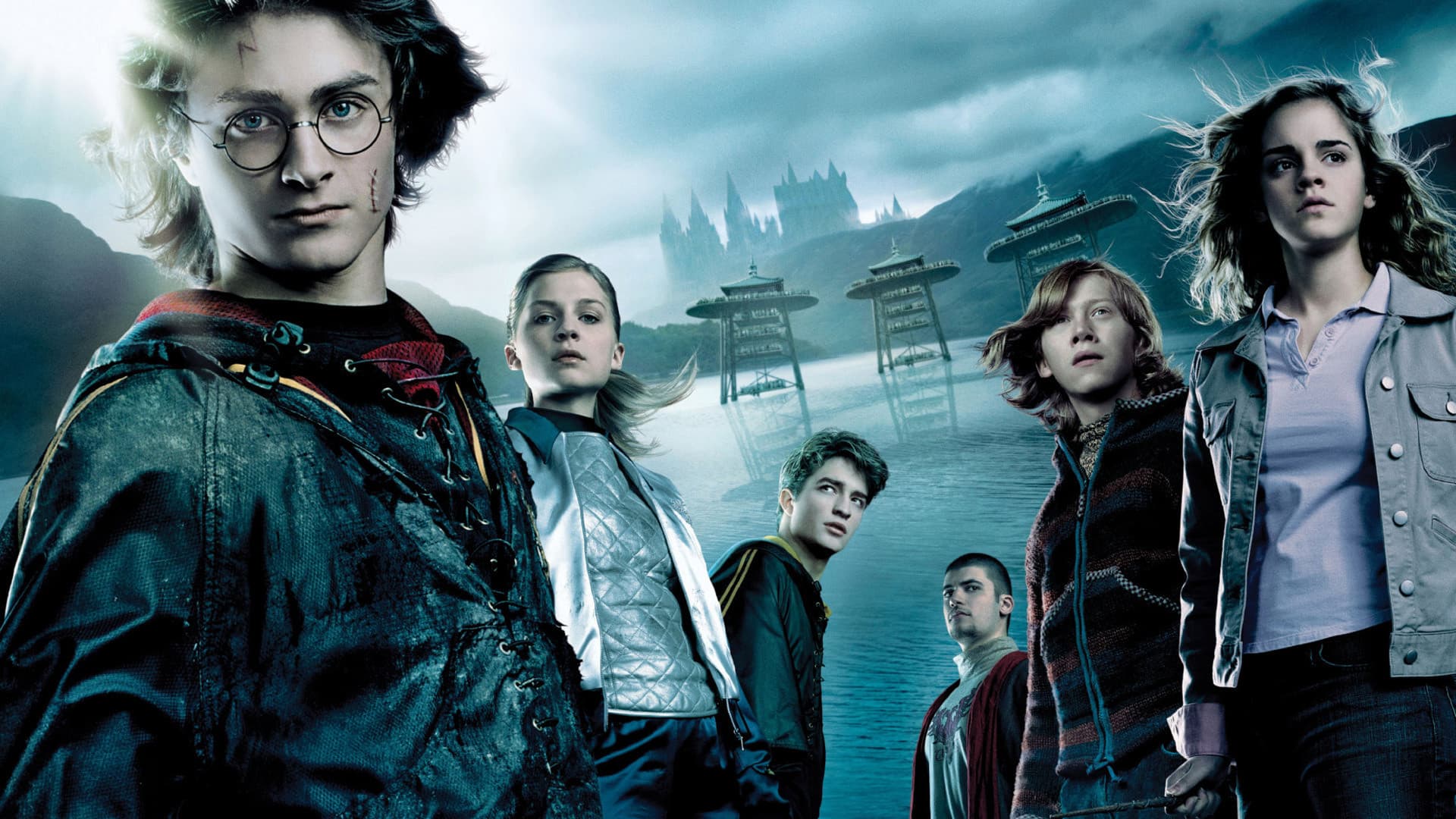
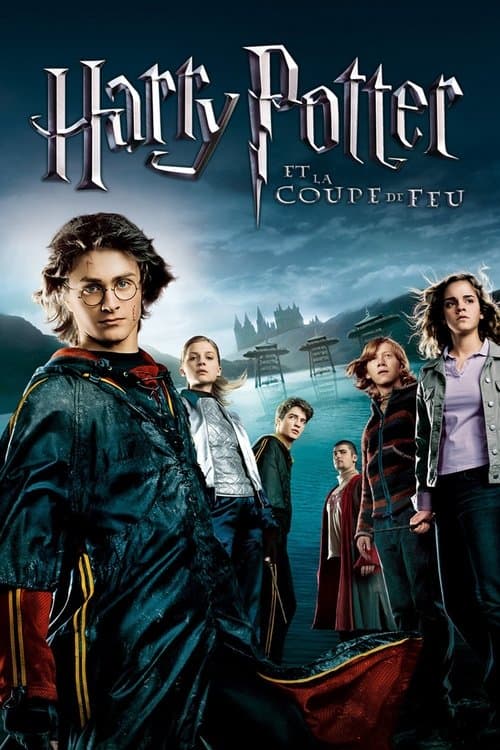
Harry Potter and the Goblet of Fire
Does this age rating seem accurate to you?
Detailed parental analysis
Harry Potter and the Goblet of Fire is a fantasy adventure film noticeably darker and more tense than its predecessors in the series. Harry Potter finds himself inexplicably enrolled in a magical tournament forbidden to students of his age, which plunges him into a series of perilous challenges with stakes far more serious than they initially appear. The film targets an audience of adolescents and young adults: the shift to PG-13 classification (not recommended for children under 13 without parental guidance, the American equivalent of a moderate warning) is fully justified here by the tone, violence and emotional brutality of certain scenes.
Violence
The narrative is structured around solid and well-constructed values: courage in the face of legitimate fear, integrity maintained even under accusation and collective pressure, perseverance in adversity. What distinguishes Harry in this film is not his magical power but his refusal to compromise morally. The film also introduces reflection on manipulation and misinformation, with the press portrayed as capable of constructing a false narrative to serve its interests, an angle rare in fiction aimed at adolescents. Institutional authority is questioned without being caricatured: the adults supposed to protect Harry fail, but not through systematic malevolence.
Underlying Values
The narrative is structured around solid and well-constructed values: courage in the face of legitimate fear, integrity maintained even under accusation and collective pressure, perseverance in adversity. What distinguishes Harry in this film is not his magical power but his refusal to compromise morally. The film also introduces reflection on manipulation and misinformation, with the press portrayed as capable of constructing a false narrative to serve its interests, an angle rare in fiction aimed at adolescents. Institutional authority is questioned without being caricatured: the adults supposed to protect Harry fail, but not through systematic malevolence.
Parental and Family Portrayals
Adult protective figures are here sidelined or insufficient in the face of real danger. Dumbledore and the other teachers fail to protect Harry, and this helplessness is narratively central. The Weasley family briefly plays the role of a warm and caring home, offering a healthy counterpoint. The absence of Harry's parents, a constant theme of the series, takes on particular resonance during the graveyard scene, where their shadows appear to come to his aid in a manner at once poignant and fantastical.
Social Themes
The film touches upon the question of fanaticism and nascent totalitarianism through Voldemort's return and the gathering of his followers, characters prepared to obey blindly a leader who advocates the superiority of a certain category of magical beings over others. This parallel with real historical ideologies is not explicitly commented upon in the film, but it is sufficiently apparent to open discussion with an attentive adolescent.
Strengths
The film succeeds in ageing a family franchise without betraying its original audience: it sets authentic emotional stakes and does not shield the viewer from loss or grief. The tournament structure allows for effective dramatic progression, with each trial increasing tension in a coherent manner. The final graveyard sequence constitutes one of the most striking moments of the series precisely because it does not seek to be reassuring. For an adolescent, the film offers a space for fictional confrontation with death, fear and injustice within a framework emotionally secured by fiction. The film score contributes strongly to the atmosphere, moving from festive to anxious with remarkable economy of means.
Age recommendation and discussion points
The film is not recommended for children under 10 years old, and for viewing without accompaniment, 12 years is the recommended age. Between 10 and 12 years old, parental presence during the graveyard scenes is strongly advised. Two angles of discussion merit being opened after viewing: why does Harry make the right choices even when no one believes in him, and what does it concretely cost to act with integrity? Next, Cedric's death can allow for sober discussion of loss and injustice: certain bad things happen to good people, and how one lives with that.
Synopsis
When his name emerges from the Goblet of Fire, Harry Potter becomes a competitor in a grueling battle for glory among three wizarding schools—the Triwizard Tournament. But since Harry never submitted his name for the Tournament, who did? Now Harry must confront a deadly dragon, fierce water demons, and an enchanted maze only to find himself in the cruel grasp of He Who Must Not Be Named.
Where to watch
Availability checked on Apr 03, 2026
About this title
- Format
- Feature film
- Year
- 2005
- Runtime
- 2h 37m
- Countries
- United Kingdom, United States of America
- Original language
- EN
- Directed by
- Mike Newell
- Main cast
- Daniel Radcliffe, Rupert Grint, Emma Watson, Brendan Gleeson, Michael Gambon, Robert Pattinson, Ralph Fiennes, Robbie Coltrane, Alan Rickman, David Tennant
- Studios
- Warner Bros. Pictures, Heyday Films, Patalex IV Productions
Content barometer
- Violence4/5Strong
- Fear4/5Intense
- Sexuality1/5Allusions
- Language1/5Mild
- Narrative complexity4/5Very complex
- Adult themes0/5None
Values conveyed
- Courage
- Perseverance
- Loyalty
- friendship
- justice
- self-surpassing
- fair play