Harry Potter and the Deathly Hallows: Part 2
Does this age rating seem accurate to you?
Detailed parental analysis
Harry Potter and the Deathly Hallows - Part 2 is a fantasy film with a decidedly dark and epic tone, concluding a saga begun a decade earlier. The plot follows Harry Potter and his allies in a final confrontation against Voldemort, whose defeat will determine the fate of the wizarding world. The film is primarily aimed at adolescents and adults who have grown up with the series, and assumes solid familiarity with previous instalments.
Violence
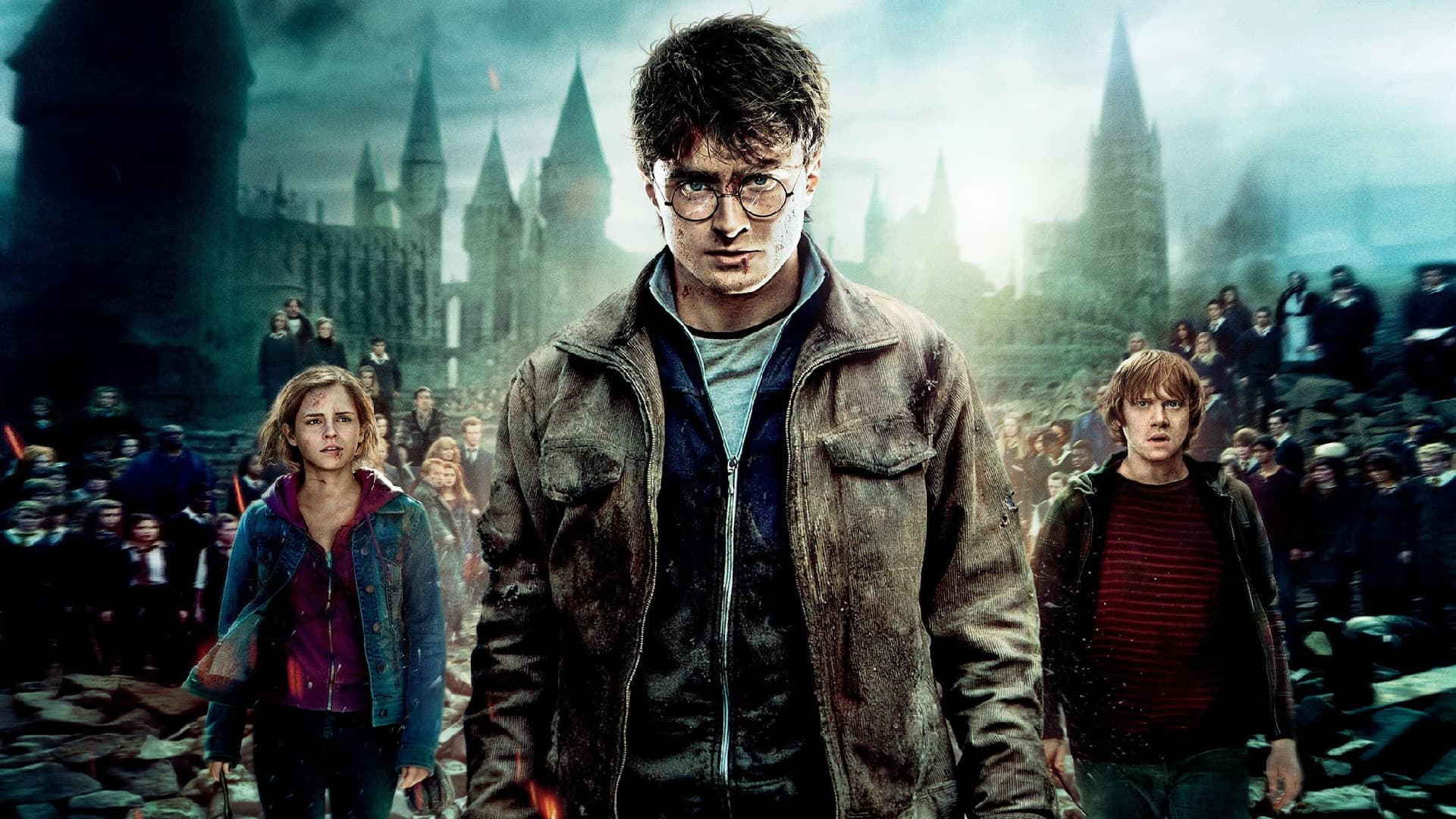
Violence is the most prominent element of this final chapter and reaches an intensity never before seen in the saga. The Battle of Hogwarts takes up a substantial portion of the film: magical duels, explosions, massive destruction, bodies lying motionless with eyes open, figures falling under spells. One particularly striking scene shows a character attacked and killed by a giant serpent, with the sounds of death audible and the figure visible through glass. The film does not veer into gratuitous gore, but it does not shy away from death and the horror of war. This violence is narratively justified: it serves to conclude an arc about the real consequences of fanaticism and tyranny, and the sacrifices freedom demands. Younger children will be overwhelmed by the intensity; for alert adolescents, the treatment remains coherent with the gravity of the subject matter.
Underlying Values
The narrative is structured around a strong tension between power and love: Voldemort embodies a quest for absolute dominion and immortality founded on fear and submission, whilst Harry represents sacrifice freely chosen through love for others. This opposition is not naive: the film shows that the choice of sacrifice carries a real cost, and that victory is marked by mourning rather than triumph. Courage, loyalty and friendship are presented as active forces rather than decorative virtues. Institutional authority is questioned, with Hogwarts itself having been perverted by an oppressive regime, which offers an intriguing angle on legitimate resistance against corrupted institutions.
Social Themes
The film functions as a metaphor for resistance to a totalitarian regime: purges of those deemed 'impure', propaganda, control of education, denunciation, forced collaboration. These parallels with actual historical episodes are clear without being didactic. The war at Hogwarts closely resembles an armed uprising, with its civilian casualties, fallen heroes and the disillusionment that follows victory. It is a solid entry point for a conversation about what oppression means and why some choose to resist.
Parental and Family Portrayals
Parental figures play an important narrative role in this final chapter. Maternal love is brought to the fore with particular intensity through the sacrifice of Lily Potter, whose protective mark has shielded Harry since the beginning of the saga. Molly Weasley embodies a fierce and combative motherhood. Absent or sacrificed parental figures are numerous, and the death of adult mentor characters is central to the film's emotional arc. This treatment provides material for discussing loss, grief and what loving adults transmit even after their passing.
Language
Language remains generally restrained for a film of this dramatic intensity. A few mild expletives appear, including one isolated use of a vulgar colloquial term. Nothing that falls outside the usual register for films in this category.
Strengths
The film honours its promise as a conclusion: it succeeds in giving genuine emotional weight to a decade of narrative construction without betraying characters or oversimplifying their trajectories. The direction of the final battle is clear despite its scale, and several sequences achieve genuine dramatic density, notably a memory retrospective scene that economically synthesises the entire tragedy of a secondary character. For young people who have grown up with the saga, this film constitutes a cinematic rite of passage and a first experience of long-form narrative closure, which carries genuine emotional and literary value. It raises questions about sacrifice, death, courage and transmission that deserve to be discussed.
Age recommendation and discussion points
The film is not recommended for children under 10 years of age due to its dramatic intensity, scenes of death and the darkness of its tone. From age 12 onwards, it is accessible for adolescents familiar with the saga, ideally accompanied by an adult for the younger end of this age range. Two angles of discussion are worth pursuing after viewing: why Harry chooses to die willingly, and what this says about the difference between power over others and inner strength; and how the film depicts a regime that controls the school and persecutes those it deems inferior, in relation to what real history teaches us about such systems.
Synopsis
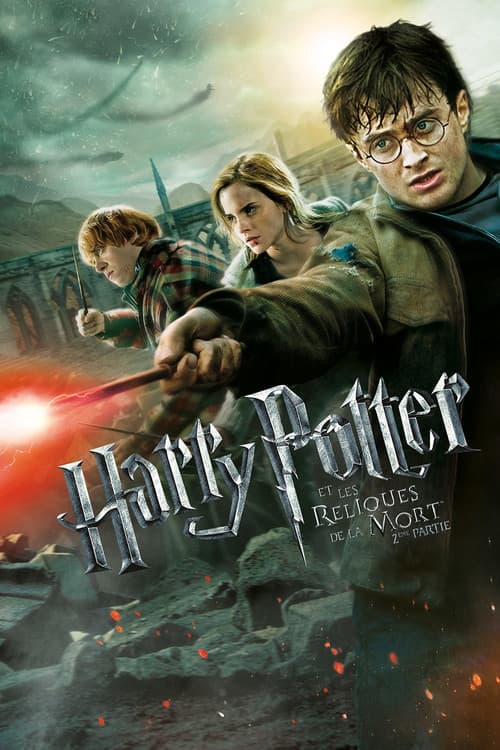
Harry, Ron and Hermione continue their quest to vanquish the evil Voldemort once and for all. Just as things begin to look hopeless for the young wizards, Harry discovers a trio of magical objects that endow him with powers to rival Voldemort's formidable skills.
Where to watch
Availability checked on Apr 03, 2026
About this title
- Format
- Feature film
- Year
- 2011
- Runtime
- 2h 10m
- Countries
- United Kingdom, United States of America
- Original language
- EN
- Directed by
- David Yates
- Main cast
- Daniel Radcliffe, Emma Watson, Rupert Grint, Ralph Fiennes, Alan Rickman, Michael Gambon, Warwick Davis, Helena Bonham Carter, Ciarán Hinds, Matthew Lewis
- Studios
- Warner Bros. Pictures, Heyday Films
Content barometer
- Violence4/5Strong
- Fear4/5Intense
- Sexuality0/5None
- Language1/5Mild
- Narrative complexity4/5Very complex
- Adult themes0/5None
Values conveyed
- Courage
- Perseverance
- Loyalty
- friendship
- sacrifice