Big Wolf & Little Wolf
Big Wolf & Little Wolf
Your feedback improves this guide
Your feedback highlights guides that need a second look and keeps the rating trustworthy.
Does this age rating seem accurate to you?
Sign in to vote
Watch-outs
What this film brings
Content barometer
Violence
0/5
None
Fear
0/5
None
Sexuality
0/5
None
Language
0/5
None
Narrative complexity
0/5
Simple
Adult themes
0/5
None
Expert review
This animated film is clearly aimed at young children and unfolds in a calm, gentle atmosphere as a solitary big wolf sees his quiet routine disrupted by a smaller companion. The main sensitive elements are mild emotional ones, including temporary rejection, frustration, and a soft sense of sadness linked to change, loneliness, and the fear of sharing space or affection. These moments are low in intensity, and the storytelling remains warm and visually comforting rather than scary or upsetting. There is no notable violence, no sexual content, no harsh language, and the few tense moments are brief and easy for children to process. For parents, the most helpful support is to talk through the characters' feelings during and after viewing, especially around annoyance, attachment, and the way friendship can begin awkwardly before becoming secure.
Synopsis
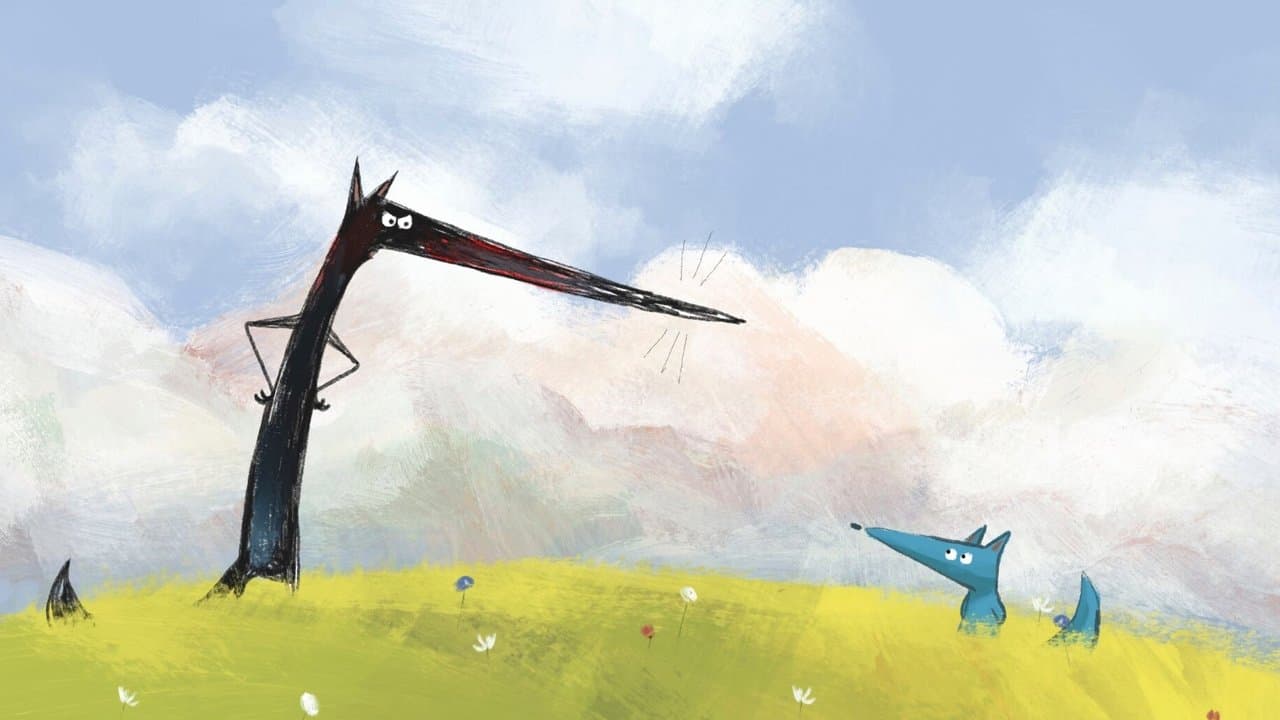
Big Wolf lives quite contentedly alone under his tree. One day he sees a Little Wolf approaching him who seems determined to keep him company. But Big Wolf has no need for his company. He likes the quiet life and his routine. At least, that’s what he thought… Loosely based on the kid’s book by Nadine Brun-Cosme & Olivier Tallec, published by Flammarion jeunesse
Difficult scenes
One of the main moments parents may want to note is Big Wolf's initially closed off attitude toward Little Wolf. A child who is sensitive to rejection may react to this emotional distance, because Little Wolf seeks connection gently while the older character seems protective of his space and routine. The film also includes a few moments shaped by loneliness and emotional absence, with a quiet but genuine sadness. These scenes remain very manageable for young viewers, yet they may prompt questions about friendship, separation, and what it feels like to wait for someone to welcome you.
Where to watch
No verified platform for the US market yet. We keep this section updated as availability changes.
Availability checked on Apr 01, 2026
About this title
- Format
- Short film
- Year
- 2019
- Runtime
- 13m
- Countries
- Belgium, France
- Original language
- FR
- Studios
- Les Films du Nord, La Boîte, ... Productions
Content barometer
Violence
0/5
None
Fear
0/5
None
Sexuality
0/5
None
Language
0/5
None
Narrative complexity
0/5
Simple
Adult themes
0/5
None
Expert review
This animated film is clearly aimed at young children and unfolds in a calm, gentle atmosphere as a solitary big wolf sees his quiet routine disrupted by a smaller companion. The main sensitive elements are mild emotional ones, including temporary rejection, frustration, and a soft sense of sadness linked to change, loneliness, and the fear of sharing space or affection. These moments are low in intensity, and the storytelling remains warm and visually comforting rather than scary or upsetting. There is no notable violence, no sexual content, no harsh language, and the few tense moments are brief and easy for children to process. For parents, the most helpful support is to talk through the characters' feelings during and after viewing, especially around annoyance, attachment, and the way friendship can begin awkwardly before becoming secure.
Synopsis
Big Wolf lives quite contentedly alone under his tree. One day he sees a Little Wolf approaching him who seems determined to keep him company. But Big Wolf has no need for his company. He likes the quiet life and his routine. At least, that’s what he thought… Loosely based on the kid’s book by Nadine Brun-Cosme & Olivier Tallec, published by Flammarion jeunesse
Difficult scenes
One of the main moments parents may want to note is Big Wolf's initially closed off attitude toward Little Wolf. A child who is sensitive to rejection may react to this emotional distance, because Little Wolf seeks connection gently while the older character seems protective of his space and routine. The film also includes a few moments shaped by loneliness and emotional absence, with a quiet but genuine sadness. These scenes remain very manageable for young viewers, yet they may prompt questions about friendship, separation, and what it feels like to wait for someone to welcome you.