
Gordon & Paddy
Does this age rating seem accurate to you?
Detailed parental analysis
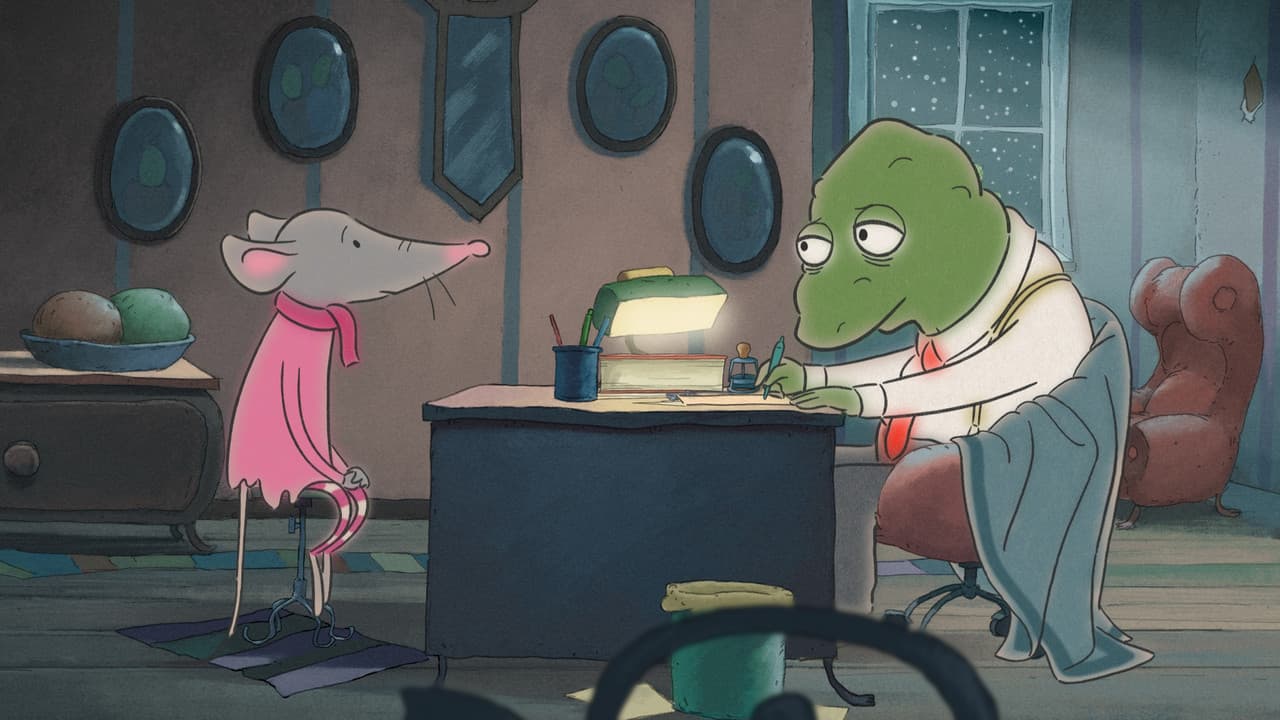
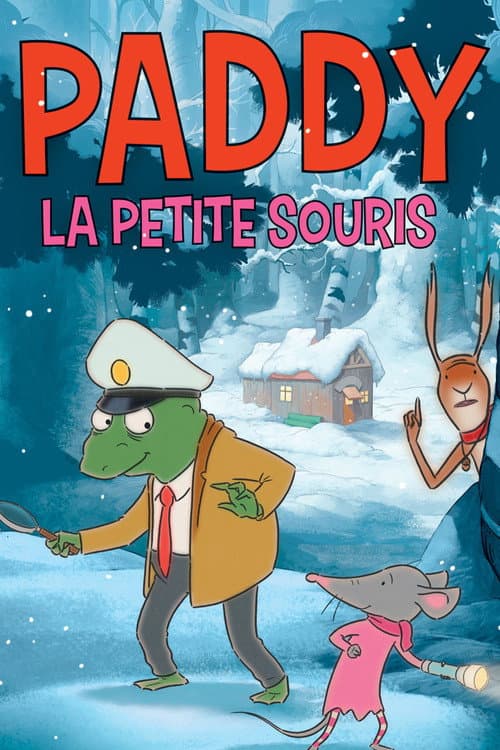
Paddy, the Little Mouse is a Nordic animated film with a gentle and contemplative atmosphere, deliberately slow in pace. A young homeless mouse with no resources partners with an ageing police officer on the verge of retirement to solve a series of mysterious disappearances in the forest. The film is primarily aimed at young children, with a soothing tone that stands in contrast to the usual frenetic energy of mainstream animated productions.
Underlying Values
The film builds its narrative around two powerful ideas: intergenerational transmission and the value of social integration. Gordon, the ageing police officer, passes on his expertise to Paddy and offers her a place in society, which constitutes the true emotional arc of the film. The question of social status is posed with a certain frankness: Paddy steals to survive, not out of vice, and the film treats this situation as a consequence of exclusion rather than as a moral failing. Intergenerational friendship is presented as a genuine resource, not as a narrative device. It is a rich angle to explore with a child: why are some forced to steal, and what does society owe to those who have nothing?
Discrimination
The fox lies at the heart of the film's moral purpose. She is first presented as a threatening figure whom all the animals fear by instinct, before the narrative explicitly deconstructs this collective prejudice. The film does not merely show the stereotype: it makes it the crux of the plot and invites the viewer to question their own fear responses. Paddy herself, as a female mouse assuming a position of police authority, embodies a representation that runs counter to the usual expectations of the genre. These two elements make the film a natural pedagogical tool for understanding how prejudices form.
Parental and Family Portrayals
Paddy is an orphan, without family or home, and this situation is established from the outset as a defining aspect of her identity. The film does not dramatise this state excessively, but neither does it erase it. The scene of the bird parents in tears at the disappearance of their egg about to hatch introduces intense parental emotion, potentially affecting for very young children. The relationship between Gordon and Paddy functions in part as a family substitute, which gives the film genuine emotional warmth without ever explicitly naming what this relationship replaces.
Social Themes
The question of social marginalisation runs quietly throughout the film. Paddy has no papers, no job, no home: she exists outside the recognised structures of animal society. Her gradual integration into the police institution functions as a metaphor for social inclusion, without the film becoming didactic. It is a subject that older children can grasp intuitively, and which deserves to be named after viewing.
Strengths
The film distinguishes itself through narrative restraint, rare in animation aimed at young children. The slow pace is not a manufacturing flaw but a deliberate choice that leaves space for emotion and reflection. The relationship between Gordon and Paddy is written with genuine subtlety: it avoids sentimental shortcuts and rests on concrete gestures, such as lending a torch to a mouse who is afraid of the dark. The film poses serious moral questions, particularly about prejudice and exclusion, without ever condescending to its young audience. It is a work that trusts in the emotional intelligence of children.
Age recommendation and discussion points
The film is suitable from age 5 with parental accompaniment, and entirely appropriate from age 6 onwards. Two angles of discussion are worth opening after the film: why was everyone afraid of the fox before getting to know her, and does that happen to us in real life too? And also: Paddy stole to eat because she had nothing, is that the same as stealing because you want something?
Synopsis
The forest’s police chief Gordon is about to retire and he needs to find a new assistant. Paddy, a clever mouse with a great sense of smell seems to be the right candidate. Together they have to solve Gordon’s last case – the mystery of squirrel’s missing nuts. Could it be the fox that took them? Gordon and Paddy will soon find out.
About this title
- Format
- Feature film
- Year
- 2017
- Runtime
- 1h 1m
- Countries
- Sweden
- Original language
- SV
- Directed by
- Linda Hambäck
- Main cast
- Stellan Skarsgård, Melinda Kinnaman, Felix Herngren, Mingus Broman, Tove Sacklén, Tova Magnusson, Jan Vierth, Ella Broman, Rebecka Hamberger, Linda Hambäck
- Studios
- Film i Väst, LEE Film, SVT
Content barometer
- Violence1/5Mild
- Fear2/5A few scenes
- Sexuality0/5None
- Language0/5None
- Narrative complexity0/5Simple
- Adult themes0/5None
Watch-outs
- Grief
- Gender stereotypes
- Death / grief
Values conveyed
- Friendship
- Acceptance of difference
- Perseverance
- Compassion
- Autonomy
- tolerance
- cooperation
- empathy