
GOAT
Does this age rating seem accurate to you?
Detailed parental analysis
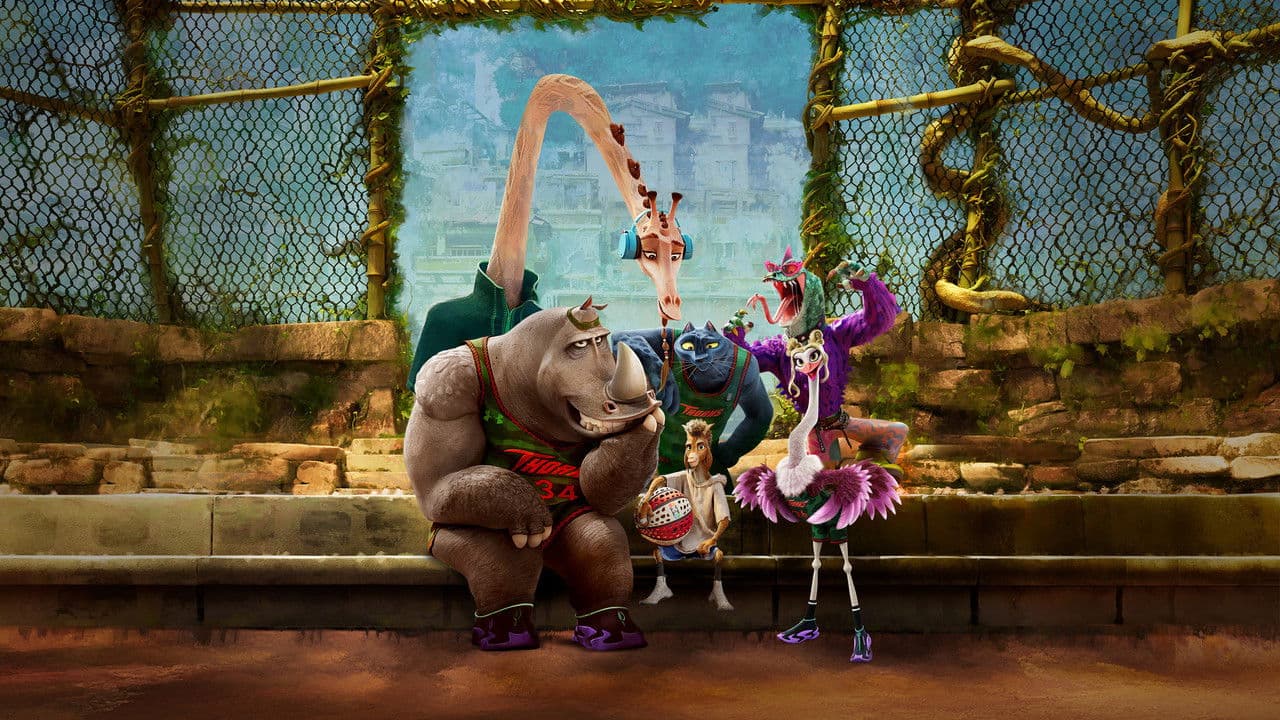
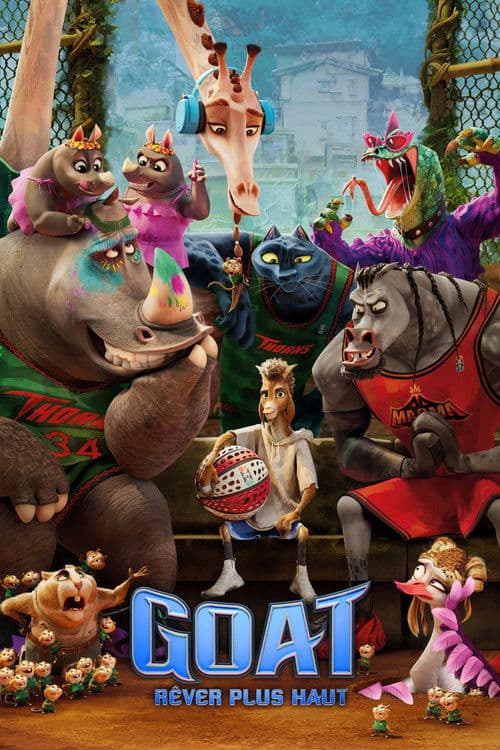
GOAT: Dream Higher is an animated sports comedy with a joyful and lively tone, driven by an openly family-oriented energy. The story follows Will, a small animal with a big dream, who attempts to carve out a place for himself in roarball, a spectacular contact sport played by animals far more imposing than him. The film primarily targets children aged 7-8 and above, along with their families, though it does not exclude teenagers who respond to narratives about personal achievement.
Underlying Values
The film builds its core message around courage in the face of intimidation, perseverance despite material and physical obstacles, and collective trust as a condition for victory. The arc of Jett, the star athlete who must learn not to control everything, offers a useful nuance to the sporting individualism often valorised in this type of narrative. The film also addresses, as a backdrop, Will's economic precarity, which sees him lose his home and sell his belongings to survive, grounding the story in a more concrete social reality than one typically expects from an animated comedy. This narrative thread deserves to be mentioned to children: success does not erase everyday difficulties, and pursuing one's dreams has a real cost.
Parental and Family Portrayals
Will's mother, deceased before the events of the film, remains a central presence through her absence. Will refers to her with emotion, and her memory functions as a driver of his determination. The film treats this bereavement with sincerity, neither overdramatising it nor resolving it too easily. This is an angle for parents to anticipate whose child has experienced parental loss: the film presents no substitute parental figure, but instead exalts transmission through love and encouragement.
Violence
The film's violence remains that of contact sport: impacts, collisions and collisions between animals during roarball matches. The arenas themselves add a degree of visual danger, with cracking ice, lava and falling stalactites. One scene shows the comic decapitation of a mascot, treated in burlesque fashion and without consequence for the characters. This violence is stylised, anchored to a clearly playful competitive framework, and does not aim to frighten but to amplify the spectacle. For a sensitive child under 6-7 years old, the visual intensity of certain matches may nonetheless be unsettling.
Language
The film contains a few light exclamations and insults without outright swearing, but one line stands out: Jett orders a referee to place his whistle in his cloaca, and the match commentators openly debate whether this phrase is suitable for broadcast television. The scene is played for laughs, but the expression is deliberately vulgar and the humour rests on transgression. Parents who insist on impeccable language are warned, even though this line remains isolated.
Discrimination
The narrative hinges on a hero perceived as too small to claim a place within sporting elite. This narrative device explicitly questions prejudices linked to physicality and size, and overturns the idea that performance belongs to the most imposing. Jett, a dominant female character, is presented as formidable but also as needing to learn to share power, which nuances without devaluing her initial strength. These dynamics are sufficiently present to fuel discussion about what we expect of athletes, and about the biases we project onto bodies.
Social Themes
Will's economic trajectory introduces discretely but clearly the theme of precarity: difficulty paying rent, selling off personal goods, eviction from home. These elements are not the heart of the film but they give it a rare social texture within the genre. This can open a natural conversation with a child about money, dreams and the compromises that reality imposes.
Strengths
The film succeeds in marrying physical humour, competitive tension and emotional sincerity without these registers neutralising one another. The handling of maternal bereavement is particularly well calibrated: it gives depth to Will's character without weighing on the pacing or plunging the film into melancholy. Jett's arc, an athlete forced to shed her need for control, transcends the conventions of the stubborn teammate character and offers genuine development. The extravagant sporting environments demonstrate real visual inventiveness in arena design. The film thus offers, beneath the wrapping of an animated comedy, emotional and thematic substance more substantial than expected.
Age recommendation and discussion points
The film is suitable from age 7 onwards for relaxed family viewing, with particular attention for younger children or those sensitive to situations of intimidation and visually intense settings. After viewing, two discussion points merit exploration: why is Will considered incapable before even attempting, and what does this say about the judgements we make of others based on their appearance? And also: how does Jett change over the course of the film, and why is trusting others sometimes more difficult than winning alone?
Synopsis
A small goat with big dreams gets a once-in-a-lifetime shot to join the pros and play roarball, a high-intensity, co-ed, full-contact sport dominated by the fastest, fiercest animals in the world.
About this title
- Format
- Feature film
- Year
- 2026
- Runtime
- 1h 40m
- Countries
- United States of America
- Original language
- EN
- Directed by
- Tyree Dillihay
- Main cast
- Caleb McLaughlin, Gabrielle Union, Stephen Curry, Aaron Pierre, Nicola Coughlan, David Harbour, Nick Kroll, Jenifer Lewis, Patton Oswalt, Jelly Roll
- Studios
- Sony Pictures Animation, Unanimous Media, Modern Magic, Columbia Pictures, MACRO, TSG Entertainment
Content barometer
- Violence2/5Moderate
- Fear2/5A few scenes
- Sexuality0/5None
- Language2/5Moderate
- Narrative complexity2/5Moderate
- Adult themes0/5None
Values conveyed
- Courage
- Acceptance of difference
- Perseverance
- friendship
- self confidence
- teamwork